Do Turtles Shed Their Shells? The Complete Guide
This post was created with help from AI tools and carefully reviewed by a human (Muntaseer Rahman). For more on how we use AI on this site, check out our Editorial Policy.
If you’ve ever caught your turtle rubbing against a rock like it’s trying to scratch an itch, or noticed what looks like their shell peeling off, you’re probably freaking out a little. I get it. The first time I saw Astra’s shell looking like it was falling apart, I thought I’d somehow broken my tortoise.
Turns out, turtles shed. Yep, just like snakes, except way less dramatic and a lot slower.
So Wait, Turtles Actually Shed Their Shells?
Kind of, but not really in the way you’re thinking.
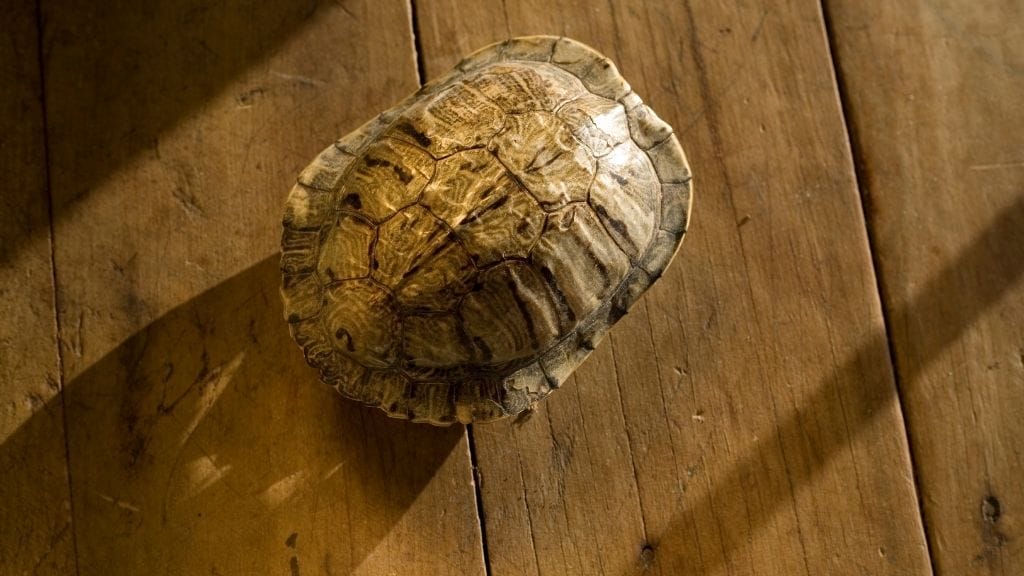
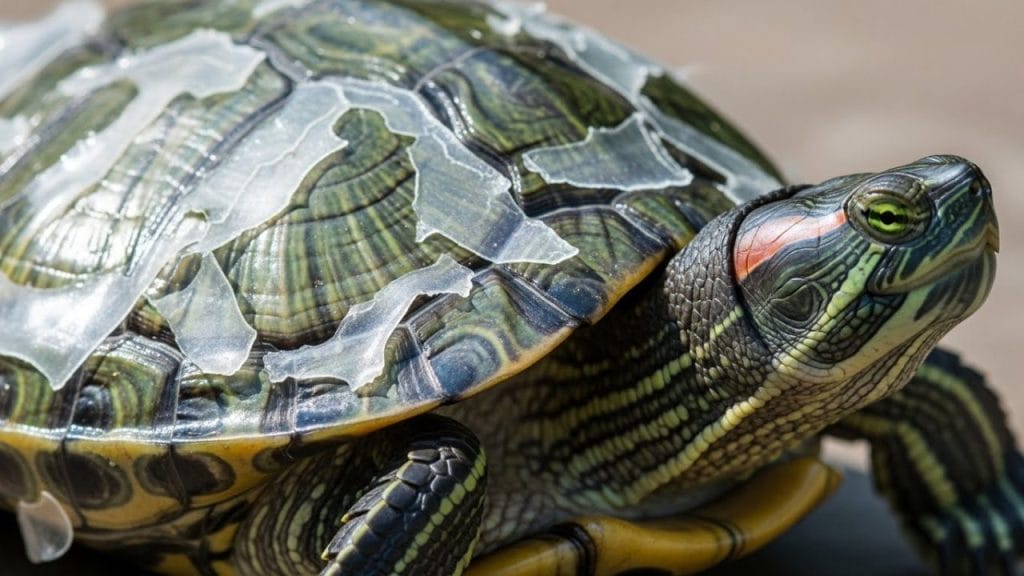
Turtles don’t shed their entire shell like a snake sheds its skin. Instead, they shed the outer layer of their shell plates, called scutes. Think of it like your fingernails growing – the scutes are made of the same material (keratin), and as new ones grow underneath, the old ones peel off.
Your turtle’s shell isn’t just a house they carry around. It’s literally part of their skeleton – about 50-60 fused bones covered by these scutes. Without it, they’d be dead. So when you see peeling, it’s just the outer keratin layer saying goodbye, not the actual shell falling apart.
Why Do Turtles Shed?
Turtles aren’t shedding for fun or because they’re bored. There are actually some pretty solid reasons:
Growing up
This is the big one. As turtles grow, their shells need to grow with them. Since scutes can’t stretch like skin, new larger ones grow underneath and push the old ones off. Baby turtles shed way more often than adults – sometimes multiple times a year – because they’re growing like crazy.
Staying streamlined
Aquatic turtles have it rough. Swimming with a heavy shell is already hard work, so adding layers of old scutes and algae buildup would be like trying to swim in a winter coat. Shedding keeps their shells smooth and light.
Fighting off infections
If scutes get damaged, covered in algae, or infected, turtles will shed them to reveal fresh, healthy ones underneath. It’s like hitting the reset button on shell health.
Healing damage
Turtles can actually regenerate damaged scutes. If one gets cracked or broken, the turtle will shed it and grow a new one. Pretty cool superpower if you ask me.
This Hilarious Turtle Book Might Know Your Pet Better Than You Do

Let’s be real—most turtle care guides feel like reading a textbook written by a sleep-deprived zookeeper.
This one’s not that.
Told from the snarky point of view of a grumpy, judgmental turtle, 21 Turtle Truths You’ll Never Read in a Care Guide is packed with sarcasm, sass, and surprisingly useful insights.
And hey—you don’t have to commit to the whole thing just yet.
Grab 2 free truths from the ebook and get a taste of what your turtle really thinks about your setup, your food choices, and that weird plastic palm tree.
It’s funny, it’s honest, and if you’ve ever owned a turtle who glares at you like you’re the problem—you’ll feel seen.
Which Turtles Shed and Which Don’t?
Here’s where it gets interesting.
Aquatic turtles
Like red-eared sliders, painted turtles, map turtles, cooters, and terrapins shed their scutes regularly. This is completely normal for them – usually about once a year, though younger ones do it more often.
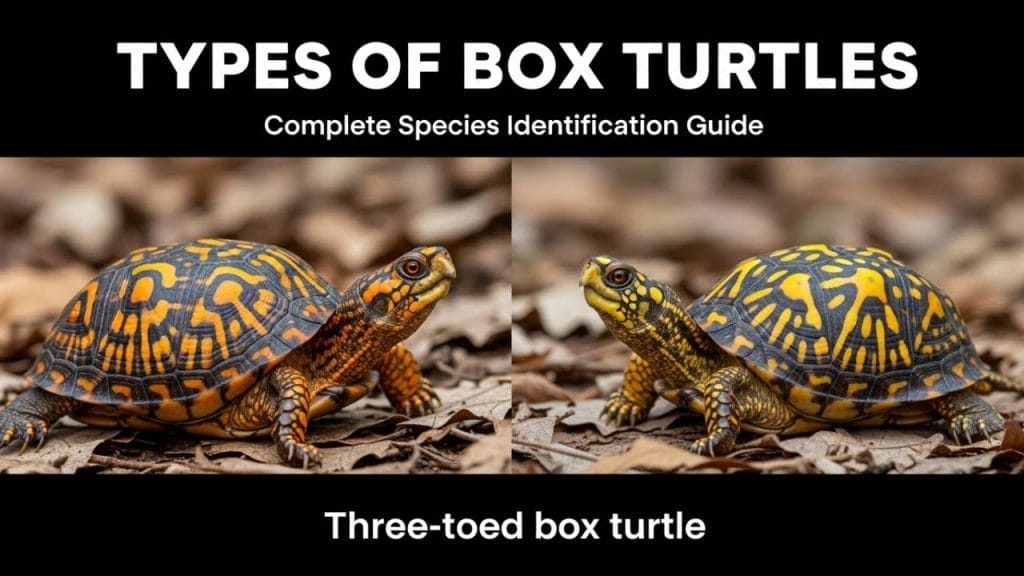
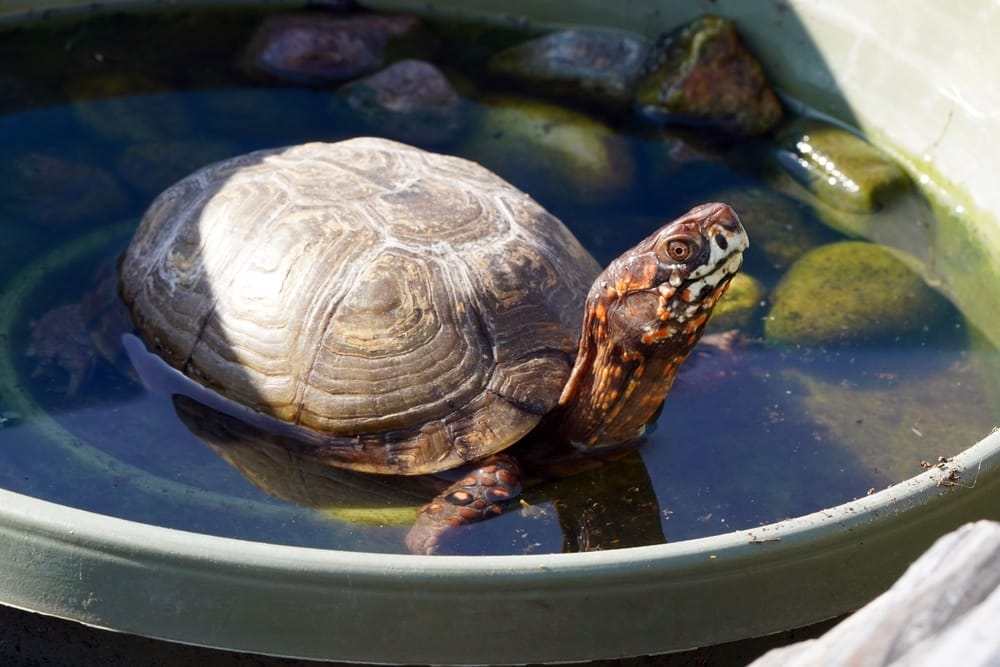
Box turtles (which are actually semi-aquatic)
Also shed their scutes, but way less frequently. Maybe once a year, if that.
Tortoises don’t shed scutes at all
Instead, new scutes just keep growing underneath the old ones, creating that bumpy, layered look. This is why some tortoises have those raised pyramid-shaped shells. It’s not shedding – it’s just years of growth stacking up.
Soft-shelled turtles
Don’t have scutes to shed in the first place. Their shells are covered in skin instead of keratin plates, so they’re playing a completely different game.
But here’s the kicker: all turtles shed the skin on their head, neck, and legs, regardless of species. That’s universal.
What Does Normal Shedding Look Like?
Normal shedding should look pretty chill. You’ll notice:
Thin, transparent pieces
That look almost like fingernail clippings. They should peel off in clear sheets or flakes.
Your turtle basking more
The sun helps dry out the scutes and makes them easier to shed. If your turtle is suddenly obsessed with their basking spot, shedding might be coming.
Rubbing against stuff
Turtles will rub their shells on rocks, tank walls, or decorations to help loosen scutes. Some turtle species even help each other peel scutes off.
Slight color changes
The shell might look a bit shinier or different in color right before shedding. Totally normal.
Scutes coming off whole
Individual plates should peel away cleanly, not in tiny fragments or chunks.
When Shedding Goes Wrong
Sometimes shedding isn’t normal. Here’s when you should worry:
Excessive shedding
If your turtle is constantly shedding and never seems done, something’s wrong. This can be caused by overfeeding (they’re growing too fast), high ammonia levels in the water, or vitamin A problems.
Retained scutes
If scutes aren’t coming off and keep building up, that’s called scute retention. Over time this creates a lumpy shell and can invite infections. Usually happens from poor diet, not enough UVB light, or wrong temperatures.
Foul smell
If the shell smells nasty when shedding, that’s a red flag for shell rot – a bacterial or fungal infection.
White or pink spots under scutes
Shell rot often shows up as weird colored spots, soft areas, or pus under peeling scutes.
Bleeding or exposed bone
If you see blood or what looks like bone underneath shedding scutes, get to a vet immediately.
The big difference between healthy shedding and shell rot? Healthy shedding doesn’t smell bad, doesn’t leave soft spots, and doesn’t hurt the turtle. Shell rot does all three.
Should You Help Your Turtle Shed?
Short answer: No. Don’t peel scutes off your turtle.
I know it’s tempting. Those scutes look like they’re ready to come off, and you just want to help, right? But pulling them off early can damage the new scute growing underneath and hurt your turtle. It’s painful for them, even if they don’t make noise about it.
The only time you should gently assist is if a scute is hanging by a thread and clearly ready to go. And even then, if it doesn’t come off with the lightest touch, leave it alone.
What you should do instead:
Keep the water clean
Dirty water slows down shedding and invites infections. Use a good filter and do regular water changes.
Provide a proper basking area
Your turtle needs a warm, dry spot under a heat lamp. The constant wet-dry cycle as they go in and out of water naturally loosens scutes.
Add UVB lighting
UVB helps turtles absorb calcium, which keeps shells healthy. No UVB = soft shell and bad shedding.
Put rough surfaces in the tank
Rocks, driftwood, or basking platforms give turtles something to rub against.
Feed a balanced diet
Too much protein causes fast, unhealthy growth. Add calcium and vitamin supplements if needed.
Don’t dry-dock your turtle
Some people think keeping turtles out of water helps shedding. It doesn’t. It just stresses them out.
Fun Shedding Facts That’ll Blow Your Mind
Some turtles eat their own shed scutes. Weird, but it happens. Maybe they’re just recycling calcium?
South American river turtles literally help each other shed by gently pulling scutes off each other’s shells with their jaws. Turtle grooming session, anyone?
Young turtles shed their whole body at once sometimes, skin and scutes together. Adult turtles do it one piece at a time like civilized reptiles.
Aquatic turtles shed about once a year, but there’s no set schedule. Some shed right before hibernation, others right after.
The shell underneath fresh scutes is often brighter and more colorful than the old scutes. It’s like your turtle got a paint job.
What About Tortoises Like My Astra?
Tortoises don’t shed scutes, but they do shed skin on their legs and neck.
When I first got Astra, I noticed her rubbing her head against rocks and thought something was wrong. Nope – just regular skin shedding. All turtles and tortoises shed skin, even if they don’t shed scutes.
If you have a tortoise and you see scutes peeling off, that’s actually not normal. It could mean shell rot, injury, or a health issue. Get that checked out.
The Bottom Line
Turtle shedding is normal, natural, and actually pretty important for their health. Aquatic turtles shed scutes regularly to grow and stay clean. Tortoises don’t shed scutes at all. And all turtles shed skin.
Don’t panic when you see peeling. Just make sure it looks normal – thin, clear pieces with healthy shell underneath. If it smells bad, looks infected, or your turtle seems uncomfortable, that’s when you call a vet.
And for the love of all things reptilian, don’t peel your turtle’s scutes off. Let nature do its thing. Your turtle knows what it’s doing way better than we do.

About Author
Muntaseer Rahman started keeping pet turtles back in 2013. He also owns the largest Turtle & Tortoise Facebook community in Bangladesh. These days he is mostly active on Facebook.