How Long Can Turtles Hold Their Breath?
This post was created with help from AI tools and carefully reviewed by a human (Muntaseer Rahman). For more on how we use AI on this site, check out our Editorial Policy.
You know what’s crazy?
The current world record for a human holding their breath underwater is 24 minutes and 37 seconds.
That’s insane, right?
But here’s the thing—turtles do this like it’s nothing.
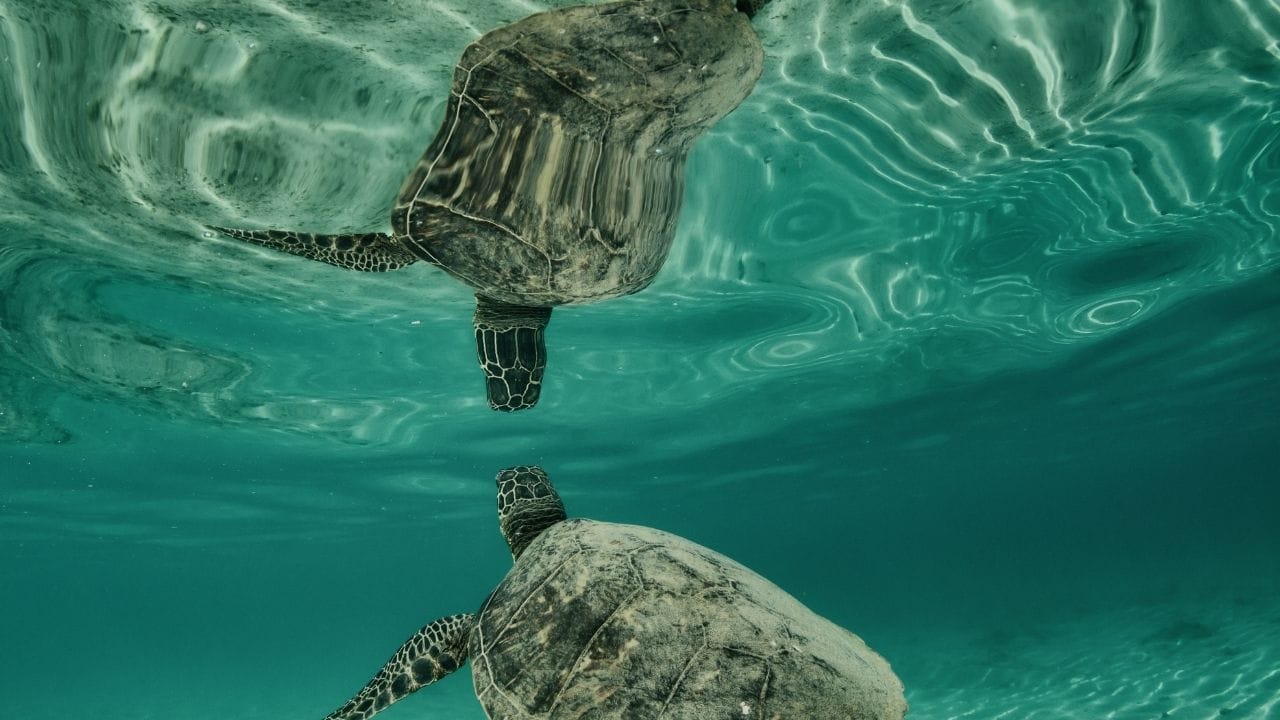
Some sea turtles can hold their breath for 4 to 7 hours while sleeping underwater.
When you’re just chilling on your couch watching Netflix, a turtle somewhere is taking a nap at the bottom of the ocean without breathing.
Let me explain how these guys pull off this ridiculous stunt.
The Quick Answer (Because I Know You’re Impatient)
Most freshwater turtles can hold their breath for 40 to 60 minutes during normal activity.
Sea turtles take it up a notch—20 to 40 minutes while actively swimming and foraging.
But when they’re sleeping or resting? That’s when things get wild.
A loggerhead sea turtle was recorded staying submerged for 7 hours straight while overwintering in Greece.
And during hibernation (technically called brumation), some turtles can stay underwater for 3 to 6 months without coming up for air.
Yeah, you read that right. Months.
Different Turtles, Different Superpowers
Not all turtles are created equal when it comes to breath-holding.
Let me break down what different species can do.
Sea Turtles (The Champions)
| Species | Active Diving | Resting/Sleeping |
|---|---|---|
| Leatherback | 60-85 minutes | Up to 86 minutes (record holder!) |
| Green Sea Turtle | 30-45 minutes | 4-7 hours |
| Loggerhead | 20-30 minutes | Up to 10 hours (when really chilled out) |
| Kemp’s Ridley | 20-30 minutes | Several hours |
| Flatback | 10-20 minutes | A few hours |
The leatherback is like the Michael Phelps of turtles—huge, powerful, and built for deep diving.
They can plunge to crazy depths looking for jellyfish and stay down for over an hour.
Freshwater Turtles (The Solid Performers)
| Species | Normal Activity | Sleeping | Hibernation |
|---|---|---|---|
| Red-Eared Slider | 20-30 minutes | Several hours | Up to 5 months |
| Painted Turtle | 30 minutes | Several hours | 75-86 days in anoxic water |
| Snapping Turtle | 30-40 minutes | 4-6 hours | 100+ days |
| Alligator Snapping Turtle | Up to 2 hours | 6+ hours | Several months |
| Map Turtle | 20-30 minutes | Several hours | 50 days in anoxia |
Snapping turtles are the ambush hunters of the turtle world.
They’ll sit at the bottom of a murky river looking like a rock, waiting for fish to swim by.
And they can sit there for 40 minutes without taking a breath.
Land Turtles (The Struggle is Real)
| Species | Underwater Time |
|---|---|
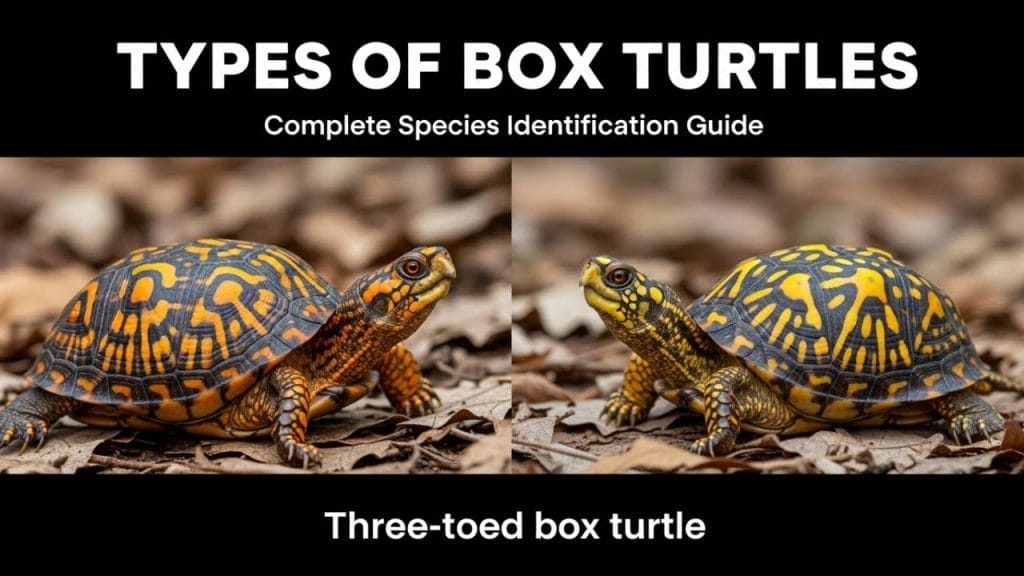
| Box Turtle | 10-30 minutes max |
| Red-Footed Tortoise | 20+ minutes (not recommended!) |
| Sulcata Tortoise | 1-2 minutes before panic mode |
| Russian Tortoise | 1-2 minutes |
Here’s the deal with tortoises—they’re built for land, not water.
If you’ve got a tortoise, don’t test their breath-holding abilities.
They can drown in water that’s deeper than their shell height.
This Hilarious Turtle Book Might Know Your Pet Better Than You Do

Let’s be real—most turtle care guides feel like reading a textbook written by a sleep-deprived zookeeper.
This one’s not that.
Told from the snarky point of view of a grumpy, judgmental turtle, 21 Turtle Truths You’ll Never Read in a Care Guide is packed with sarcasm, sass, and surprisingly useful insights.
And hey—you don’t have to commit to the whole thing just yet.
Grab 2 free truths from the ebook and get a taste of what your turtle really thinks about your setup, your food choices, and that weird plastic palm tree.
It’s funny, it’s honest, and if you’ve ever owned a turtle who glares at you like you’re the problem—you’ll feel seen.
The Science Behind This Madness
Okay, so how do turtles actually pull this off?
It’s not magic (though it kind of feels like it).
1. They’re Basically Living in Slow Motion
Turtles are cold-blooded, which sounds like an insult but it’s actually their superpower.
When the water gets cold, their body temperature drops too.
And when their body temperature drops, their metabolism slows down.
Way down.
We’re talking heart rates dropping from 25 beats per minute to just 1 or 2 beats per minute during hibernation.
One leatherback’s heart rate went from 27 beats per minute at the surface to 3.6 beats per minute during a 34-minute dive.
Some turtles’ hearts literally beat once every nine minutes while sleeping.
Can you imagine? Your heart goes thump… then you wait nine minutes… then thump again.
2. They Store Oxygen Like Camels Store Water
Sea turtles have super high concentrations of hemoglobin and red blood cells.
Think of it like having a bigger oxygen tank built into your body.
The leatherback? It stores almost double the oxygen compared to other sea turtle species.
That’s why it’s the champion.
3. They Breathe Through Their Butts (Yes, Really)
I saved the best for last.
This is called cloacal respiration, and it’s exactly what it sounds like.
The cloaca is that multi-purpose opening at the base of the tail—it’s used for reproduction, waste, and apparently, breathing.
The cloaca has a ton of blood vessels, so turtles can actually absorb oxygen directly from the water through it.
Snapping turtles can get over 60% of their oxygen needs this way during hibernation.
It’s not super efficient compared to lung breathing—water has about 200 times less oxygen than air.
But during hibernation when they’re basically not moving? It’s enough.
Painted turtles, snapping turtles, and several other species are butt-breathing pros.
4. They Shut Down Non-Essential Functions
This is called peripheral vasoconstriction, which is a fancy way of saying they redirect blood flow.
Blood stops going to less important organs and focuses on the brain and heart.
Green sea turtles can do this for about 30 minutes during a dive.
It’s like when your phone goes into low power mode—same idea.
What About Baby Turtles?
Baby turtles are adorable, but they’re also kind of terrible at holding their breath.
They’re still developing their respiratory systems and haven’t trained their bodies yet.
A baby turtle will come up for air every 4 to 5 minutes.
If you have baby turtles in a tank, never let them stay submerged for more than 10-15 minutes without access to the surface.
They can absolutely drown.
I know, I know—it seems wild that an aquatic animal can drown.
But turtles have lungs, not gills.
They need air to survive.
The Hibernation Situation is Bonkers
When water temperatures drop below 50°F, many freshwater turtles enter brumation.
It’s not quite full hibernation—they can wake up on warm days.
But mostly? They’re chilling at the bottom of a frozen pond, not breathing through their lungs.
Painted turtles can survive 75 to 86 days in water with zero oxygen.
Snapping turtles? 100 days.
They switch to anaerobic respiration, which means burning energy without oxygen.
The catch? This produces lactic acid, which builds up in their tissues.
By spring, they’ve got serious “oxygen debt” and need to recover.
It’s basically like running a marathon while holding your breath and then dealing with the worst muscle soreness of your life for weeks.
When Turtles Can’t Hold Their Breath Anymore
Here’s something that breaks my heart.
Turtles drown all the time in fishing nets.
When scientists were developing turtle excluder devices for shrimp nets, some fishermen argued, “The nets are only down for 30 minutes, and turtles can hold their breath for hours!”
But here’s the thing—a turtle that’s panicking and struggling uses oxygen way faster.
A stressed turtle can drown in minutes, not hours.
Their heart rate spikes, they thrash around trying to escape, and suddenly that impressive breath-holding ability means nothing.
In tanks, pet turtles can drown if they get stuck under decorations or can’t reach the surface.
If You Find a Drowning Turtle
First—get it out of the water immediately.
There’s a good chance it’s not too late.
Here’s what to do:
- Hold the turtle by the shell with its head pointing down
- Gently grasp the base of the head and pull the neck out, then push it back—repeat this motion
- Water should start dripping from the mouth
- Once water stops coming out, lay the turtle on a flat surface
- Pump the front legs—pull them out and push them back repeatedly to get the lungs working
- Do the same with the back legs
- The turtle should eventually cough out more water and take deep breaths
- Take it to a vet immediately, even if it seems fine
This isn’t a guaranteed fix, but it’s saved turtles before.
Things That Affect How Long They Can Hold Their Breath
It’s not just about species.
A bunch of factors change the game.
Water Temperature
Warmer water = more active turtle = more oxygen needed = shorter breath-holding.
Colder water = slower metabolism = less oxygen needed = longer breath-holding.
This is why hibernating turtles can stay under for months in near-freezing water.
Activity Level
A turtle actively swimming, foraging, or fighting off predators burns through oxygen fast.
Sea turtles typically surface every 4-5 minutes when they’re busy hunting.
But when they’re sleeping? Hours.
Age and Health
Young turtles can’t hold their breath as long as adults.
Sick or stressed turtles have reduced capacity too.
A healthy adult is always going to outperform a baby or an ill turtle.
Individual Variation
Even within the same species, some turtles are just better at this than others.
It’s like how some humans can hold their breath for 2 minutes and others tap out at 30 seconds.
The Weirdest Breath-Holding Stories
Back in the early 1970s, scientists learned from the Seri indigenous people in Mexico about green sea turtles that supposedly hibernated underwater in the Gulf of California for months.
Nobody believed it at first.
Then turtles were pulled up during dredging operations in Port Canaveral, Florida, and their shells were stained—suggesting they’d been buried in mud for days or longer.
One Reddit user shared a scary story about finding their six red-footed tortoises at the bottom of a flooded pen during a storm.
The tortoises had been underwater for at least 20 minutes in pitch-black water.
All six survived.
Tortoises aren’t even aquatic, but they managed to hold their breath long enough to be rescued.
Can All Turtles Do the Butt-Breathing Thing?
Nope.
Not all turtles are capable of cloacal respiration.
It’s most common in species that hibernate underwater—painted turtles, snapping turtles, and some others.
Sea turtles don’t really need it because they can surface whenever they want.
Land tortoises definitely don’t do it.
If you’re wondering whether your pet turtle can butt-breathe, the answer is probably “maybe, but don’t rely on it.”
So Why Do They Come Up So Often?
If turtles can hold their breath for an hour, why do they surface every few minutes?
Because they don’t have to push their limits.
Think about it—you can probably hold your breath for 60-90 seconds if you really tried.
But you don’t walk around holding your breath for a minute before taking another breath.
You breathe way more often than you technically need to because it’s comfortable.
Same with turtles.
They surface every 4-5 minutes during normal activity because why stress the system?
It’s only when they’re sleeping, hiding from predators, or hibernating that they tap into their full breath-holding abilities.
The Comparison to Humans is Humbling
The world record for human breath-holding is held by a professional who trained for years—24 minutes and 37 seconds.
That’s with controlled conditions, mental preparation, and pushing the absolute limits of human physiology.
Meanwhile, a regular old green sea turtle takes a nap and stays underwater for 5 hours without even thinking about it.
A loggerhead casually chills for 10 hours underwater when resting.
And painted turtles spend 100+ days under the ice during winter.
We humans really aren’t built for water, are we?
What This Means for Turtle Owners
If you own a turtle, here’s what you need to know:
- Always provide easy access to the surface – Even champion breath-holders need to breathe regularly
- Don’t use decorations that create traps – Turtles can get stuck and drown
- Monitor baby turtles closely – They can’t hold their breath nearly as long as adults
- Never test their limits – Just because they can hold their breath for an hour doesn’t mean they should
- Tortoises need shallow water only – Land turtles can drown in water deeper than their shell
- If hibernating your turtle, do tons of research first – Many pet turtles don’t survive hibernation
The Bottom Line
Turtles are way more impressive than they look.
They’ve been around for over 200 million years, surviving everything from dinosaur extinctions to ice ages.
And one of their secret weapons? The ability to hold their breath longer than almost any other air-breathing animal on the planet.
From the leatherback diving for 85 minutes straight to the painted turtle butt-breathing under the ice for three months, these guys have figured out how to thrive in water without gills.
Next time you see a turtle pop its head up for air, remember—it probably could have stayed down there way longer.
It’s just being polite and not showing off.
Frequently Asked Questions
Can turtles really breathe through their butts?
Yes, some species can absorb oxygen through their cloaca using cloacal respiration.
It’s not as efficient as lung breathing, but it helps them stay underwater longer during hibernation.
Can all turtles hold their breath for hours?
No—it depends on the species.
Sea turtles and aquatic freshwater turtles can hold their breath much longer than land tortoises.
What’s the longest a turtle has held its breath?
A loggerhead sea turtle was recorded staying submerged for 7 hours while resting in Greece.
During hibernation, some freshwater turtles can stay underwater for 3-6 months.
Can baby turtles hold their breath as long as adults?
No, baby turtles have much shorter breath-holding times—usually just 4-5 minutes.
They’re still developing their respiratory systems and need more frequent access to air.
Can pet turtles drown?
Yes, absolutely.
If they can’t reach the surface due to obstacles, exhaustion, or illness, they will drown.
Do sea turtles sleep underwater?
Yes, but not for 8 hours straight like we do.
They take short naps throughout the day and night, typically lasting a few hours.
How do turtles know when they need to breathe?
Like us, they have physiological signals that tell them when oxygen levels are getting low.
But they’re way better at tolerating low oxygen than we are.
Why do some turtles drown in fishing nets if they can hold their breath for hours?
Stress and panic cause them to burn through oxygen much faster.
A struggling turtle can drown in minutes, not hours.
Can land tortoises hold their breath underwater?
Yes, for short periods—usually 1-2 minutes.
But they’re not built for water and can easily drown, so don’t test this!
What happens if a turtle runs out of air underwater?
It will drown, just like any air-breathing animal.
The difference is turtles have much higher tolerance for low oxygen, so they can push further before reaching that point.

About Author
Muntaseer Rahman started keeping pet turtles back in 2013. He also owns the largest Turtle & Tortoise Facebook community in Bangladesh. These days he is mostly active on Facebook.