Can You Keep a Sea Turtle as a Pet? (Laws, Penalties, and What You Can Do Instead)
This post was created with help from AI tools and carefully reviewed by a human (Muntaseer Rahman). For more on how we use AI on this site, check out our Editorial Policy.
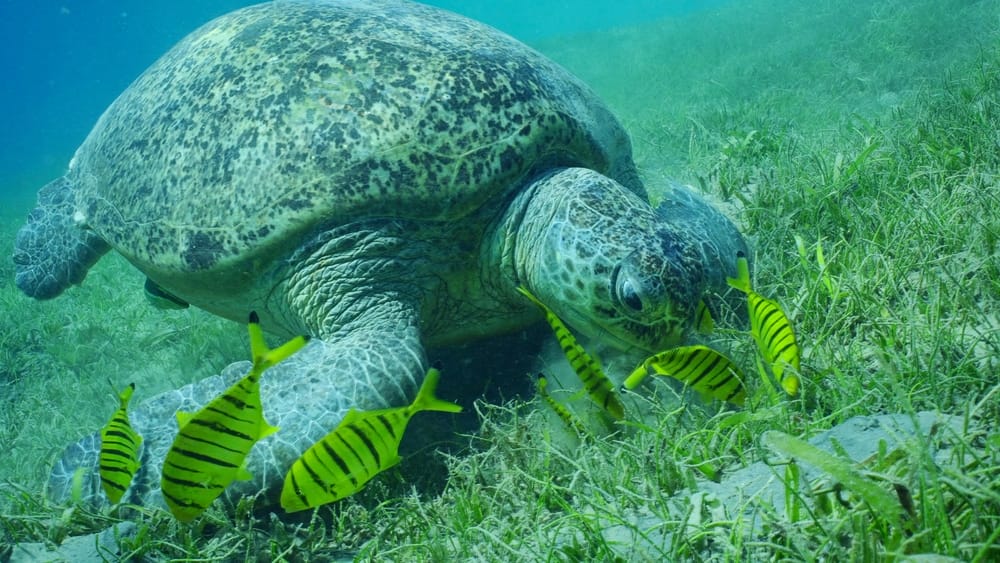
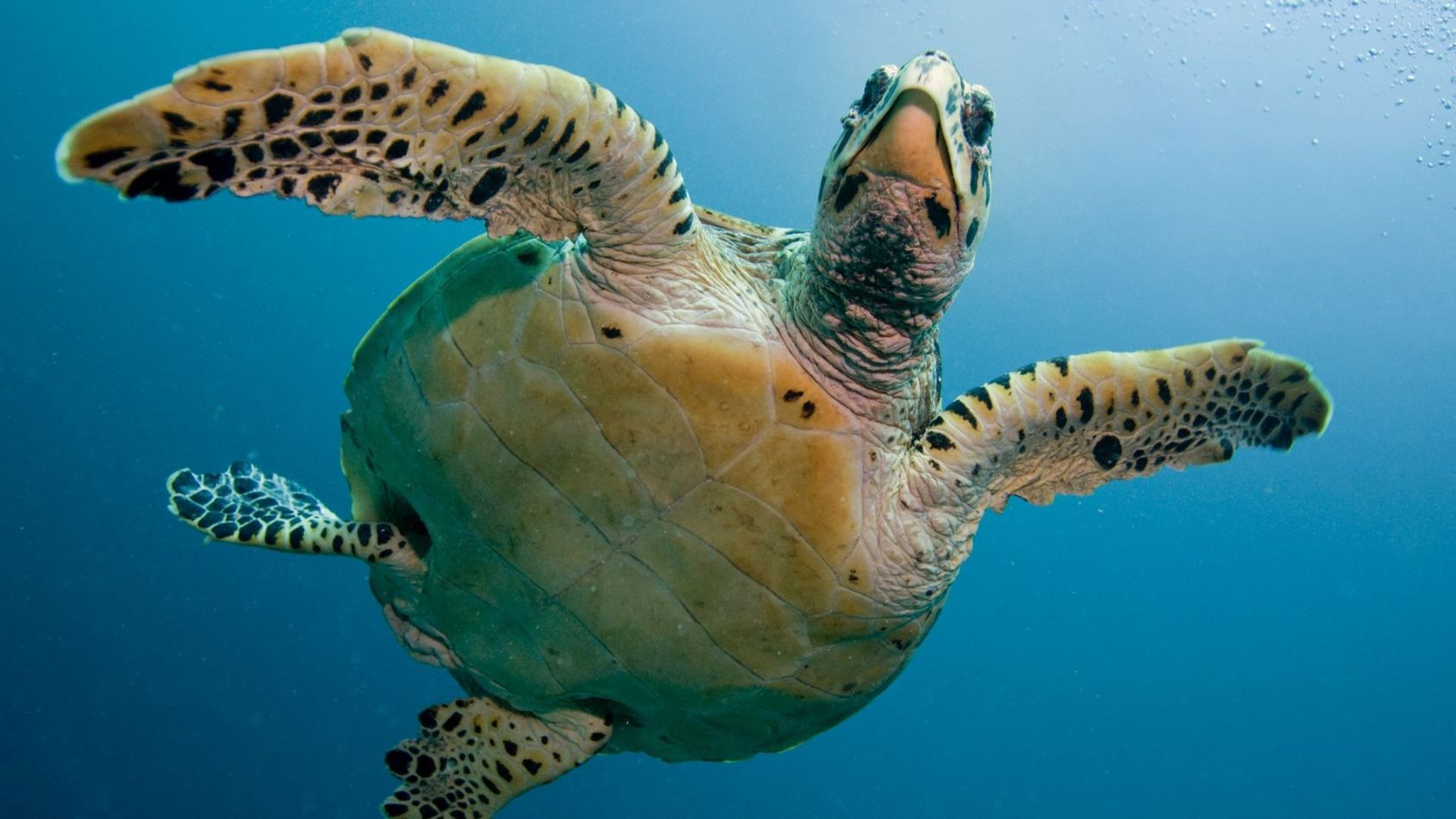
I get it. You watched a sea turtle glide through the water like it owned the entire ocean, and now you want one in your living room.
Trust me, I’ve had that thought too. They’re beautiful, they’re calm, and they look like they’d be the most chill pet on the planet.
But here’s the thing: you absolutely cannot keep a sea turtle as a pet. It’s not just a bad idea. It’s a federal crime.
And before you think “well, maybe just a baby one” — no. Not a baby, not a juvenile, not a rescue you found on the beach. None of them.
Let me explain exactly why, what happens if you try, and what you can actually do instead if you love sea turtles as much as I do.
Why You Can’t Keep a Sea Turtle as a Pet
There are three big reasons, and honestly, any one of them alone would be enough to shut down the idea completely.
It’s Against Federal Law
All seven species of sea turtles are protected under the U.S. Endangered Species Act (ESA). Six of those species are found in U.S. waters, and every single one is listed as either threatened or endangered.
The protected species include:
- Hawksbill — Critically Endangered (IUCN)
- Kemp’s Ridley — Critically Endangered (IUCN)
- Leatherback — Vulnerable (IUCN)
- Loggerhead — Vulnerable (IUCN)
- Olive Ridley — Vulnerable (IUCN)
- Green — Least Concern (IUCN, reclassified in 2025 after decades of conservation success)
- Flatback — Data Deficient (IUCN, found only in Australian waters)
That’s right — the green sea turtle was actually downlisted from Endangered to Least Concern by the IUCN in 2025. That’s a massive conservation win. But it doesn’t change the legal protections one bit.
Under the ESA, it is illegal to harass, harm, pursue, hunt, shoot, wound, kill, trap, capture, or collect any sea turtle. That includes keeping one in your house, your pool, your pond, or anywhere else.
And it’s not just a U.S. thing. The Convention on International Trade in Endangered Species (CITES) bans the international trade of sea turtles globally.

The Penalties Are Brutal
This isn’t a slap-on-the-wrist situation. Get caught with a sea turtle, and you’re looking at serious consequences.
| Violation Type | Civil Penalty | Criminal Penalty |
|---|---|---|
| Capturing or harming a sea turtle | Up to $25,000 per violation | Up to $50,000 fine + 1 year in prison |
| Illegal trade or transport | Up to $25,000 per violation | Up to $50,000 fine + 1 year in prison |
| Harassing (touching, chasing, flash photography) | $1,000 – $10,500 | Varies by state |
On top of the fines, authorities can seize any equipment you used — boats, diving gear, tanks, all of it.
In Florida, disturbing a sea turtle nest is a third-degree felony. That’s up to $5,000 in fines and five years in prison. For a nest.
And these aren’t empty threats. In Hawaii, two men were fined for capturing a green sea turtle. Tourists have been fined just for picking one up for a photo. NOAA and state wildlife agencies actively enforce these laws.
You Literally Cannot Meet Their Needs
Even if it were somehow legal (it’s not), you still couldn’t properly care for a sea turtle. These animals are built for the open ocean, and nothing you can build at home comes close.
Size alone makes it impossible. Here’s how big each species gets:
| Species | Adult Size (Shell Length) | Adult Weight |
|---|---|---|
| Leatherback | 4 – 6.5 feet | 600 – 1,500 lbs |
| Green | 3 – 5 feet | 150 – 420 lbs |
| Loggerhead | 2.5 – 3.6 feet | 170 – 350 lbs |
| Hawksbill | 2 – 3.8 feet | 100 – 200 lbs |
| Flatback | 2.4 – 3.25 feet | 150 – 200 lbs |
| Olive Ridley | 2 – 2.5 feet | 75 – 100 lbs |
| Kemp’s Ridley | 1.7 – 2.4 feet | 75 – 100 lbs |
A leatherback can weigh over 1,500 pounds. That’s not a pet. That’s a small car with flippers.

But size is just the start. Sea turtles need:
- Saltwater — Their salt glands start shutting down in freshwater, which is fatal. Many people who illegally keep hatchlings put them in freshwater tanks, and the turtles die from the stress.
- Massive depth and swimming space — These animals dive hundreds of feet deep and migrate thousands of miles. A backyard pool is basically a prison cell.
- Ocean-specific diet — Depending on the species, they eat jellyfish, seagrass, sponges, crabs, sea urchins, and other marine organisms you can’t exactly pick up at PetSmart.
- Specific temperatures and currents — Ocean conditions are complex and constantly shifting. A static tank can’t replicate that.
Even professional aquariums with million-dollar budgets struggle to keep sea turtles long-term. The ones you see in aquariums are typically rescues that can’t be released back into the wild due to injuries.
Track A Real Sea Turtle With Each Bracelet!


Learn Name
You get to learn your sea turtle’s name, size, age. Also a picture!
Enjoy Stories
Enjoy the story of your sea turtle, where it came from, where is it going?
Follow Me
You get to follow the sea turtle’s journey on an interactive tracking map!
Click Here & Use Coupon Code: THETURTLEHUB20 For A 20% Discount!
Can You Keep a Baby Sea Turtle?
No. Same laws, same penalties, and honestly even worse odds of survival.
Sea turtle hatchlings already face brutal survival rates. Only about 1 in 1,000 hatchlings survives to adulthood in the wild. They get eaten by birds, crabs, fish, and just about everything else the moment they scramble out of the nest.
Taking even one hatchling out of the equation hurts the population. And putting a baby sea turtle in a freshwater tank at home? You’re basically signing its death warrant. Their bodies are designed for saltwater from day one.
If you find hatchlings on the beach, leave them alone. They know where to go. Turn off your lights, back away, and let them reach the water.

This Hilarious Turtle Book Might Know Your Pet Better Than You Do

Let’s be real—most turtle care guides feel like reading a textbook written by a sleep-deprived zookeeper.
This one’s not that.
Told from the snarky point of view of a grumpy, judgmental turtle, 21 Turtle Truths You’ll Never Read in a Care Guide is packed with sarcasm, sass, and surprisingly useful insights.
And hey—you don’t have to commit to the whole thing just yet.
Grab 2 free truths from the ebook and get a taste of what your turtle really thinks about your setup, your food choices, and that weird plastic palm tree.
It’s funny, it’s honest, and if you’ve ever owned a turtle who glares at you like you’re the problem—you’ll feel seen.
What If You Find a Sea Turtle on the Beach?
This is actually a situation that comes up more often than people think, especially during nesting season (May through October on most U.S. Atlantic and Gulf coasts).
If the Turtle Looks Healthy
- Don’t touch it. Not even for a photo.
- Stay at least 50 feet away.
- Turn off all lights — flashlights, phone screens, camera flashes. Light disorients nesting females and hatchlings.
- Don’t make loud noises or try to “help” it into the water. If it’s a nesting female, she knows what she’s doing. If it’s hatchlings, they use moonlight reflecting off the ocean to find the water.
- Keep pets on a leash and away from the turtle.
If the Turtle Looks Injured or Stranded
- Do not try to push it back into the water. It might be sick or injured, and forcing it back could kill it.
- Do not pick it up or try to treat it yourself.
- Call your local wildlife hotline immediately:
- Florida: FWC at 1-888-404-FWCC (3922)
- National: NOAA Fisheries Marine Wildlife Stranding Hotline
- Other states: Contact your state’s fish and wildlife agency
- If possible, note the location, the turtle’s size, and any visible injuries so you can report accurately.
- Stay nearby to keep other people and animals away until help arrives.
That “fun fact” about being allowed to take an injured sea turtle home? That’s a myth that keeps getting repeated online. Only licensed wildlife rehabilitators can legally possess sea turtles, even injured ones. Taking one home, even with good intentions, is still a federal offense.

Snuggle a Plush. Track a Turtle.
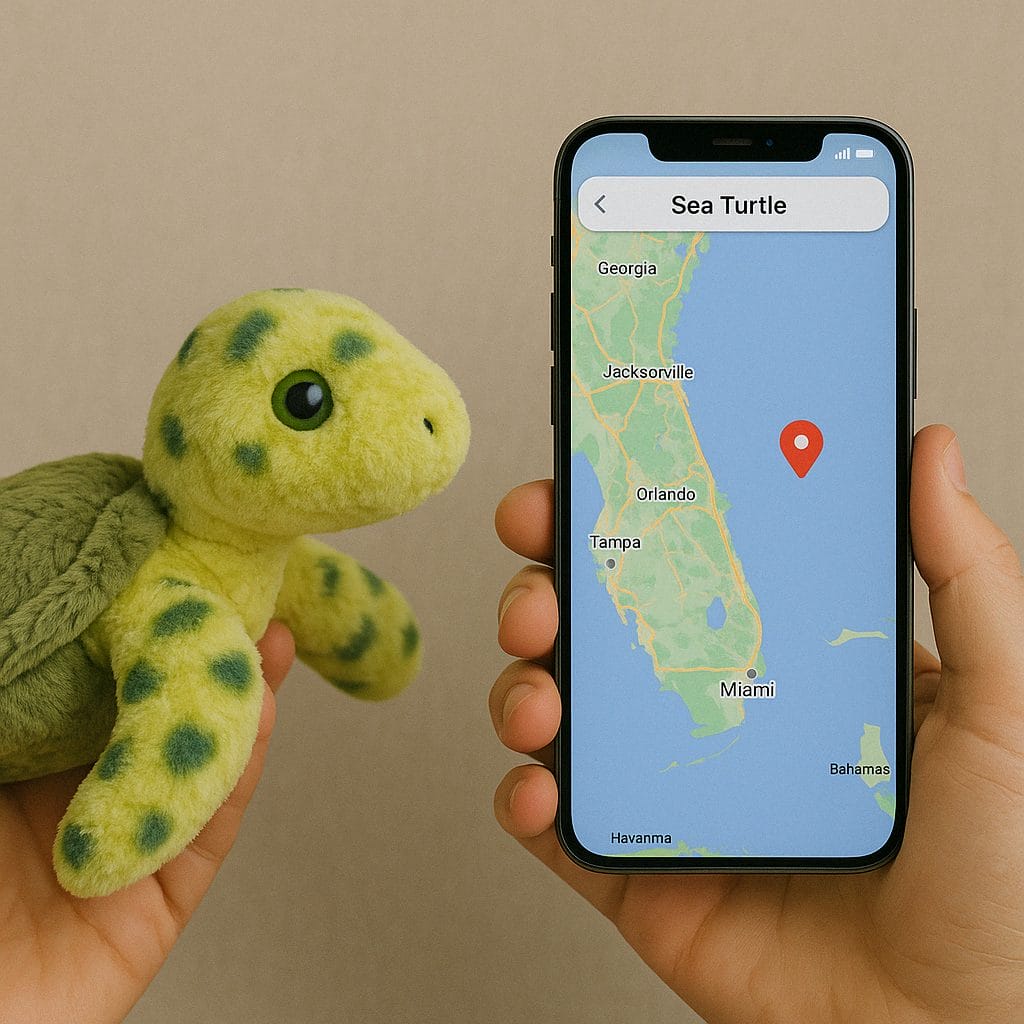
🧸 + 🌊 = 🐢 A toy that connects you to real sea turtles in the wild.


Meet Your Turtle
Scan the tag to meet your real sea turtle. Learn its name, species, and see a real photo!
Follow the Journey
Watch your turtle swim across the ocean using the 3D tracking map. It’s like a sea adventure in your pocket.
Support Wildlife
Every plush supports turtle conservation efforts through the Sea Turtle Conservancy.
Click Here & Use Coupon Code: THETURTLEHUB20 For A 20% Discount! (Your hug helps a turtle.)
Can You Touch a Sea Turtle?
No. Touching, riding, chasing, or feeding sea turtles is illegal under both the ESA and various state laws.
It’s not just about the law, though. Touching sea turtles can:
- Stress them out — causing nesting females to abandon their nests and return to the sea
- Introduce bacteria — human hands carry pathogens that can harm turtles
- Damage their skin — their skin is more sensitive than it looks, and rough handling can cause injuries
- Disrupt natural behavior — turtles that get used to human contact can become more vulnerable to boats and other threats
If you’re snorkeling or diving and a sea turtle swims near you, enjoy the moment. Don’t chase it, don’t touch it, and definitely don’t grab onto its shell for a ride. That viral video might get likes, but it could also get you a fine.
Why Are Sea Turtles So Protected?
Sea turtles have been around for over 100 million years. They survived the asteroid that killed the dinosaurs. But they’re struggling to survive us.
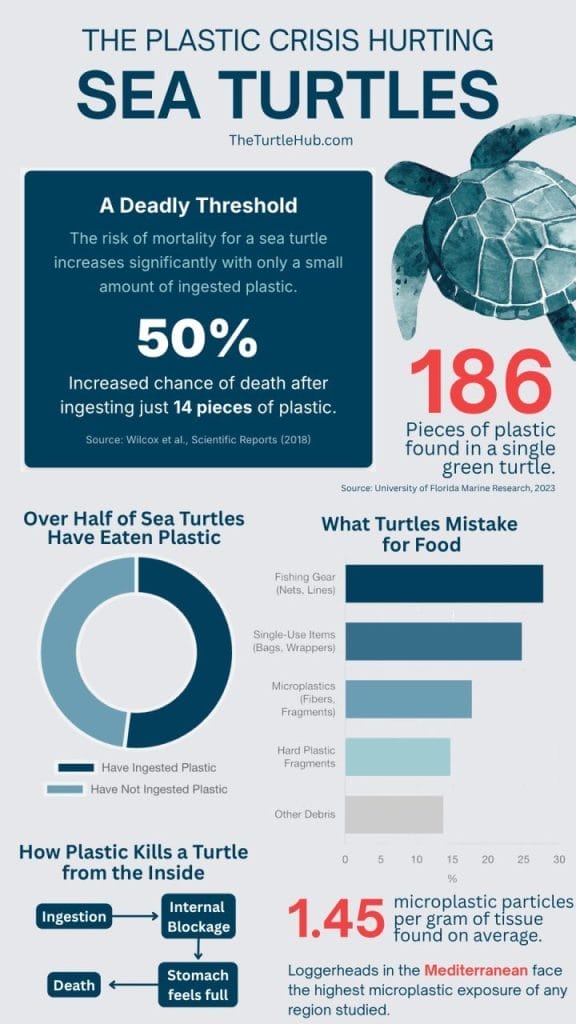
Plastic Pollution
Sea turtles mistake plastic bags for jellyfish and eat them. Plastic straws get stuck in their nostrils. Fishing nets entangle and drown them. An estimated 52% of all sea turtles have ingested plastic debris.
Habitat Destruction
Coastal development destroys nesting beaches. Artificial lighting disorients hatchlings, sending them toward roads instead of the ocean. Rising sea levels from climate change are eroding the beaches they depend on.
Poaching and Illegal Trade
Despite international bans, sea turtle eggs, meat, and shells are still traded illegally in many parts of the world. Some cultures consider sea turtle eggs a delicacy. Hawksbill shells are turned into jewelry and decorative items.
Climate Change
Here’s a wild one: the temperature of the sand determines the sex of sea turtle hatchlings. Warmer sand produces more females. As global temperatures rise, some beaches are producing almost exclusively female hatchlings, which is a massive problem for long-term population survival.
Bycatch
Thousands of sea turtles are accidentally caught in fishing nets and longlines every year. Many drown before they can be freed.
The good news? Conservation efforts are working. The green sea turtle’s reclassification to Least Concern in 2025 proves that when humans actually commit to protecting a species, it can recover. But the other species still need serious help.
What You Can Do Instead
So you can’t keep a sea turtle. That doesn’t mean you can’t be part of their world. Here are some actually meaningful ways to get involved.
Symbolically Adopt a Sea Turtle
Several organizations offer symbolic adoption programs where your money directly funds conservation work. You usually get a certificate, a photo, and sometimes even tracking updates on “your” turtle.
- Sea Turtle Conservancy — One of the oldest and most respected sea turtle organizations, founded in 1959. Their adoption kits are well-known and fund research and protection programs worldwide.
- World Wildlife Fund (WWF) — Offers sea turtle hatchling and green turtle adoptions. Your donation supports their global conservation work.
- SEE Turtles — Runs the Billion Baby Turtles program, which has helped protect millions of hatchlings at key nesting sites.
You’re not getting an actual turtle, obviously. But you’re doing something that actually matters for the species.
Volunteer at a Sea Turtle Hospital
If you want a hands-on experience, several turtle hospitals and rehab centers accept volunteers:
- Loggerhead Marinelife Center (Juno Beach, Florida) — Volunteer with patient care, beach cleanups, and public education.
- Karen Beasley Sea Turtle Rescue and Rehabilitation Center (Topsail Beach, North Carolina) — Volunteer for hospital teams and nest protection patrols.
- Sea Turtle Inc. (South Padre Island, Texas) — Seasonal education and conservation volunteer positions.
- Gulf Center for Sea Turtle Research (Galveston, Texas) — Part of Texas A&M, handles sea turtle rescue and rehabilitation on the Texas coast.
Working at a turtle hospital is probably the closest you’ll ever get to “having” a sea turtle, and it’s 100% legal.
Go on a Sea Turtle Eco-Tour
Want to see sea turtles in the wild? Many coastal areas offer guided eco-tours during nesting season. You can watch females lay eggs, see hatchlings make their first run to the ocean, or snorkel with turtles in places like the Hawaiian Islands or the Caribbean.
These tours are run by licensed guides who know how to observe without disturbing the animals. And your money supports local conservation efforts.
Help From Home
Even if you don’t live near the coast, you can help:
- Reduce plastic use — Every piece of plastic you keep out of the ocean is one less thing that could end up in a sea turtle’s stomach.
- Support sustainable seafood — Choose seafood caught with turtle-safe methods. Look for the Marine Stewardship Council (MSC) certification.
- Donate to conservation organizations — Even small monthly donations add up.
- Spread the word — Share accurate information about sea turtles. The more people understand why they’re protected, the better off the species will be.
What If You Really Want a Pet Turtle?
If watching sea turtles has inspired you to get a turtle of your own, there are plenty of legal species that make great pets. They won’t be sea turtles, but they’re fascinating in their own right.
| Species | Size | Habitat | Beginner Friendly? |
|---|---|---|---|
| Red-eared slider | 8 – 12 inches | Freshwater tank | Yes |
| Painted turtle | 4 – 10 inches | Freshwater tank | Yes |
| Map turtle | 4 – 10 inches | Freshwater tank | Moderate |
| Musk turtle | 3 – 5 inches | Freshwater tank | Yes |
| Diamondback terrapin | 5 – 9 inches | Brackish water tank | Advanced |
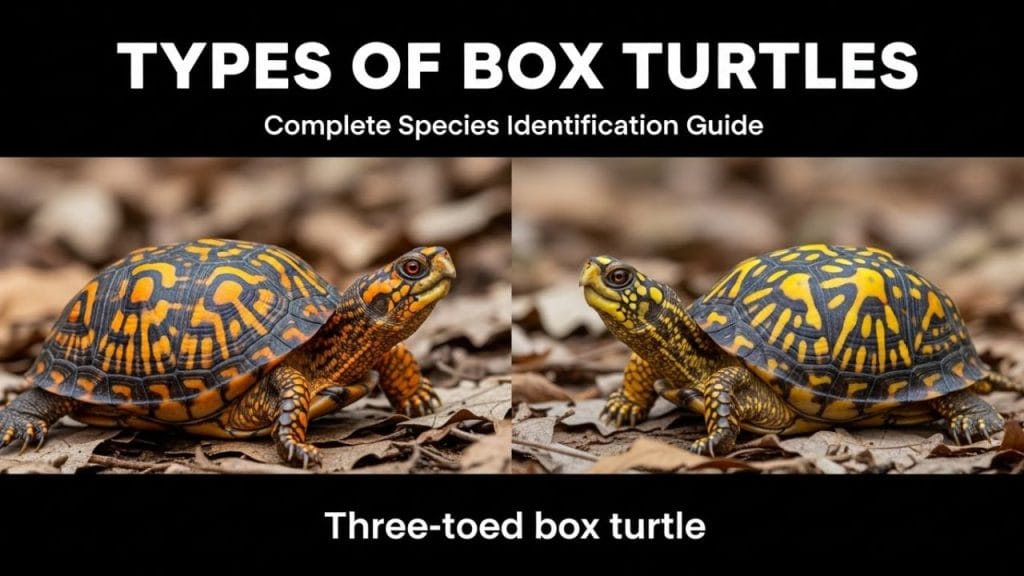
| Box turtle | 4 – 7 inches | Land enclosure | Moderate |
Diamondback terrapins are the closest you’ll get to a “sea turtle experience” in a legal pet. They live in brackish water (a mix of salt and fresh), they’re found along the Atlantic and Gulf coasts, and they have a similar aquatic lifestyle. But they need specialized care — you’ll need to maintain specific salinity levels, and they’re not cheap to keep.
For most people, a red-eared slider or painted turtle is a better starting point. They’re hardy, widely available, and don’t require saltwater setups.
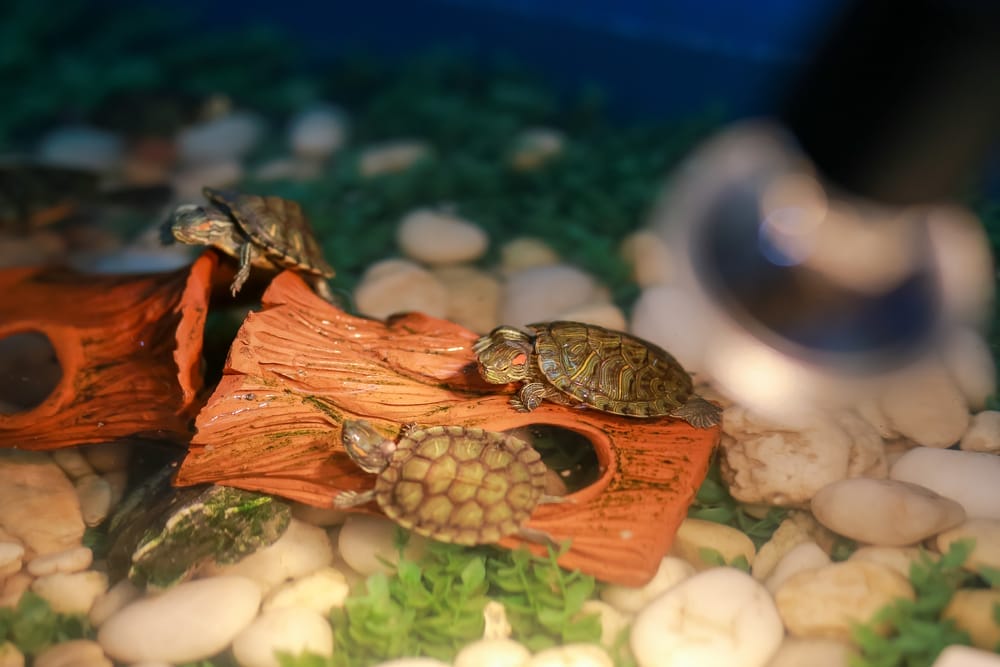
Just remember: any pet turtle is a serious commitment. Here’s what nobody tells you about keeping turtles as a beginner. Most aquatic turtles need at least a 75-gallon tank as adults, proper UV lighting, a basking area, and a quality filter. And they live 20 to 40 years. This isn’t a goldfish situation.
The Bottom Line
You cannot keep a sea turtle as a pet. It’s illegal, it’s impractical, and it would be terrible for the turtle.
But here’s what you can do: support their conservation, volunteer your time, visit them in the wild responsibly, and if you want a turtle at home, pick one of the many legal species that actually thrive in captivity.
Sea turtles belong in the ocean. That’s where they’ve been for 100 million years, and with our help, that’s where they’ll stay.

About Author
Muntaseer Rahman started keeping pet turtles back in 2013. He also owns the largest Turtle & Tortoise Facebook community in Bangladesh. These days he is mostly active on Facebook.