Do Turtles Make Noise? [Meaning Explained]

This post was created with help from AI tools and carefully reviewed by a human (Muntaseer Rahman). For more on how we use AI on this site, check out our Editorial Policy.
You’re sitting by your turtle tank, and suddenly you hear it—a weird hiss, or maybe a soft chirp that sounds like a squeaky sneaker on a gym floor.
Wait, did my turtle just… talk?
Yes. Yes, it did. And here’s the thing nobody tells you when you get a turtle: these “silent” reptiles are actually way more vocal than we thought.
The Big Turtle Sound Discovery That Changed Everything
For decades, scientists genuinely believed turtles were mute.
Then in 2022, a researcher named Gabriel Jorgewich-Cohen got curious after reading about Amazon turtles making sounds. He grabbed an underwater microphone and started recording his own pet tortoises.
What he found blew everyone’s mind: every single species he recorded—all 50 turtle species plus other “silent” animals—made sounds. Not some of them. Every. Single. One.
Turns out turtles have been chatting this whole time, and we just weren’t listening properly.
How Turtles Make Sounds Without Vocal Cords
Here’s where it gets interesting.
Turtles don’t have vocal cords like you and me. They can’t exactly belt out a tune or yell at their tank mate.
Instead, they make sounds by squeezing air out of their lungs through their throat and glottis (a slit-like opening). Think of it like when you let air out of a balloon slowly versus quickly—same mechanism, different sounds.
Most of their sounds are low-frequency (below 1,000 Hz), which means many adults can’t even hear them. Kids, on the other hand, can often pick up on these noises because their hearing range is broader.
Basically, turtles have been gossiping behind our backs this entire time.
This Hilarious Turtle Book Might Know Your Pet Better Than You Do

Let’s be real—most turtle care guides feel like reading a textbook written by a sleep-deprived zookeeper.
This one’s not that.
Told from the snarky point of view of a grumpy, judgmental turtle, 21 Turtle Truths You’ll Never Read in a Care Guide is packed with sarcasm, sass, and surprisingly useful insights.
And hey—you don’t have to commit to the whole thing just yet.
Grab 2 free truths from the ebook and get a taste of what your turtle really thinks about your setup, your food choices, and that weird plastic palm tree.
It’s funny, it’s honest, and if you’ve ever owned a turtle who glares at you like you’re the problem—you’ll feel seen.
What Sounds Do Turtles Actually Make?
Turtles have a surprisingly diverse vocal repertoire. Here’s the breakdown:
Hissing (The Most Common Sound)
This is the sound you’ll hear most often.
When your turtle pulls its head into its shell, air rushes out of its lungs—and boom, you get a hiss. It’s not anger or a threat like a snake’s hiss. It’s more like a startled gasp, except the air is flowing out instead of in.
What it means: Your turtle is scared, stressed, or just surprised. New turtles hiss a lot when you first bring them home because you’re basically a giant predator to them.
When it happens:
- When you try to pick them up
- When they retreat into their shell
- During territorial disputes (especially among male turtles)
- When they’re near their nests protecting eggs
My red-eared slider used to hiss every time I cleaned his tank. After a few months, he stopped—he finally figured out I wasn’t trying to eat him.
Chirping and Clicking (The Weird One)
Red-eared sliders are famous for this one.
It sounds like a bird chirp or wet sneakers squeaking on tile. Scientific recordings have captured over 12 distinct call types from slider turtles alone, though most are too faint for us to hear.
What it means:
- Water temperature is too cold (they’re basically complaining)
- They’re excited (especially during feeding time)
- They want attention (yes, really)
- Sometimes it’s just boredom or loneliness
One turtle owner on Reddit said their turtle chirps when it wants food—and stops when they drop pellets in the tank. Smart little manipulator.
Warning sign: If chirping comes with mucus around the nose, swollen eyes, or difficulty swimming, it could signal a respiratory infection. Get to a vet ASAP.
Grunting and Honking (The Mating Soundtrack)
If you’ve ever heard turtles mating, you won’t forget it.
They make a continuous grunting, crying, or honking sound that’s genuinely hard to describe. Large tortoises are especially loud about it.
Fun fact: Remember those terrifying Velociraptors in the 1993 “Jurassic Park” movie? Those iconic sounds were actually recorded tortoise mating noises. No joke.
Male red-eared sliders also make clicking or chirping sounds to attract females during breeding season. It’s their version of a pickup line.
Baby Turtle Sounds (The Coordination Tool)
This is where it gets really cool.
Baby sea turtles and snapping turtles start making sounds 10 days before they even hatch. These vocalizations include clicks, squeaks, and even sounds that researchers described as “sounding like a fart” (yes, that’s the scientific description).
Why they do it: To coordinate their escape from the nest. By making sounds together, hatchlings emerge at the same time, which gives them better odds of surviving the dash to the water.
Arrau river turtle moms even wait near the nest and call to their babies—the first documented case of maternal care in turtles.
Other Sounds You Might Hear
| Sound | What It Sounds Like | What It Means |
|---|---|---|
| Belching | A weird, unique burp | They swallowed air while eating (totally normal) |
| Gurgling | Low rumbling | Could be normal or a sign of respiratory infection with mucus |
| Roaring | Very loud explosive hiss | Big-headed turtles use this when threatened |
| Whistling | High-pitched through nostrils | Stress or defensive behavior |
| Underwater chirps | Faint, low-frequency | Social communication or courtship |
When Turtle Sounds Mean Trouble
Most turtle noises are harmless, but some are red flags.
See a vet immediately if you notice:
- Continuous loud hissing or gurgling
- Wheezing or open-mouth breathing
- Bubbles around the nose or mouth
- Chirping combined with lethargy or loss of appetite
- Swollen eyes or mucus discharge
Respiratory infections are serious business for turtles. They can develop from water that’s too cold, poor tank hygiene, or inadequate basking temperatures.
Learn how to spot and treat respiratory infections before they become life-threatening।
The ideal setup:
- Water temperature: 75-80°F (24-27°C)
- Basking area: 85-95°F (29-35°C)
- Clean water with proper filtration
The Sounds That Are Totally Normal
Don’t panic if you hear:
- Hissing when you pick them up → They’re just startled. Even friendly turtles do this.
- Grunting while eating → They’re excited about food and air is escaping as they move.
- Occasional chirps during basking → Some turtles are just chatty when they’re warm and happy.
- Clicking when they’re out of water too long → They’re making a noise with their tongue because they’re dehydrated. Give them access to water.
One owner reported their turtle made “whimpering puppy” sounds when begging for food. After months of observation with no other symptoms, they concluded: the turtle was just being dramatic.
Different Turtles, Different Noise Levels
Not all turtles are equally chatty.
Most vocal species:
- Red-eared sliders (chirping champions)
- Snapping turtles (loud hissers)
- Pig-nosed turtles (over 180 distinct calls recorded)
- Tortoises (especially during mating)
Quieter species:
- Musk turtles (mostly silent except when stressed)
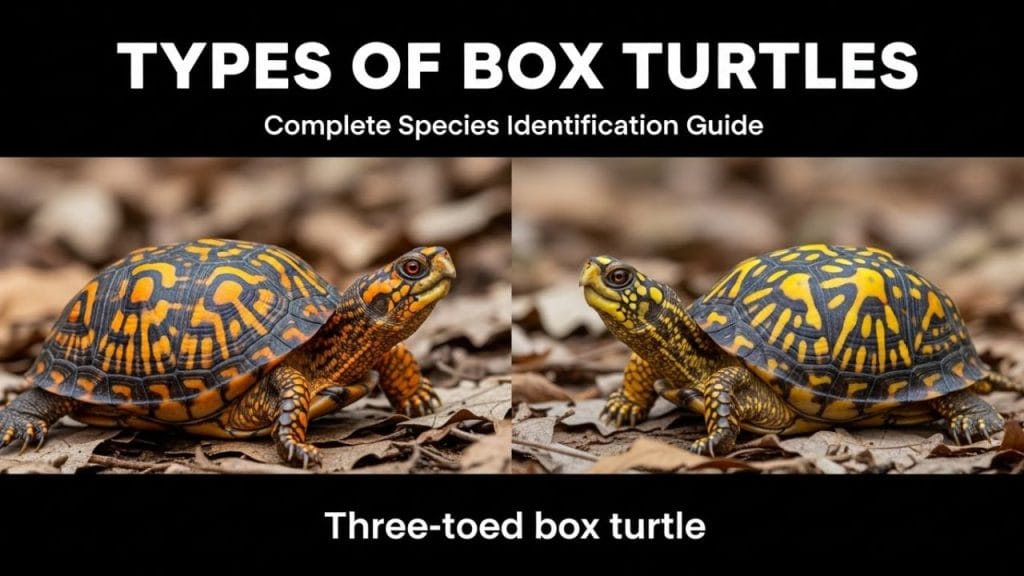
- Box turtles (occasional exhaling sounds)
Can Turtles Scream or Cry?
No, turtles cannot scream in the way you’d think.
They don’t have the vocal cords to produce loud, high-pitched sounds. What people describe as “crying” is usually a low groaning or continuous grunting—often during mating or if they’re in pain.
You might see a turtle open its mouth wide with no sound coming out. That’s not screaming—it’s just them expressing stress through body language.
How to Handle a Noisy Turtle
If your turtle is making sounds, here’s what to do:
Step 1: Don’t panic. Most sounds are normal behavior.
Step 2: Observe the context. Is it happening during handling? Feeding? Basking? Or seemingly random?
Step 3: Check for other symptoms. Clear eyes? Good appetite? Swimming normally?
Step 4: Verify tank conditions. Temperature, water quality, basking access all correct?
Step 5: If sounds persist for days OR come with illness symptoms, see a reptile vet.
The Bottom Line
Turtles make noise. Sometimes a lot of it.
They hiss when scared, chirp when excited or uncomfortable, grunt during mating, and coordinate hatching through vocalizations we can barely hear.
Most of the time, these sounds are totally normal—just your turtle expressing itself the only way it knows how.
But if you hear continuous loud noises, wheezing, or gurgling combined with other symptoms, don’t wait. Respiratory infections can escalate fast in turtles.
The fact that we only recently discovered turtles vocalize should tell you something: we’re still learning about these ancient reptiles. They’re way more complex and communicative than anyone gave them credit for.
So next time your turtle hisses at you during tank cleaning, just remember—it’s not personal. You’re just terrifying, and they need you to know it.

About Author
Muntaseer Rahman started keeping pet turtles back in 2013. He also owns the largest Turtle & Tortoise Facebook community in Bangladesh. These days he is mostly active on Facebook.