How Big Can A Turtle Get? [Size Chart]

This post was created with help from AI tools and carefully reviewed by a human (Muntaseer Rahman). For more on how we use AI on this site, check out our Editorial Policy.
So you’re wondering how big turtles can actually get?
Good question, because the answer ranges from “fits in your palm” to “holy crap, that’s basically a small car.”
Let me break it down for you.
Turtle Size Comparison Chart
Here’s how they all stack up:
| Species | Average Adult Length | Average Weight | Maximum Recorded |
|---|---|---|---|
| Leatherback Sea Turtle | 6-7 feet | 550-1,400 lbs | 9 feet, 2,000+ lbs |
| Alligator Snapping Turtle | 14-31 inches | 20-175 lbs | 31.5 inches, 249 lbs |
| Common Snapping Turtle | 10-18.5 inches | 10-35 lbs | 19.3 inches, 75 lbs |
| Red-Eared Slider | 6-8 inches | Varies | 16 inches |
| Painted Turtle | 4-8 inches | Varies | ~10 inches |
| Eastern Box Turtle | 4.5-6 inches | Varies | 7.8 inches |
| Ornate Box Turtle | 4-5 inches | Varies | ~6 inches |
| Three-Toed Box Turtle | 4.5-5 inches | Varies | 7 inches |
| Bog Turtle | 3-4 inches | 3.9 oz | 4.5 inches |
The Absolute Giants: Leatherback Sea Turtles
Let’s start with the heavyweight champion of the turtle world.
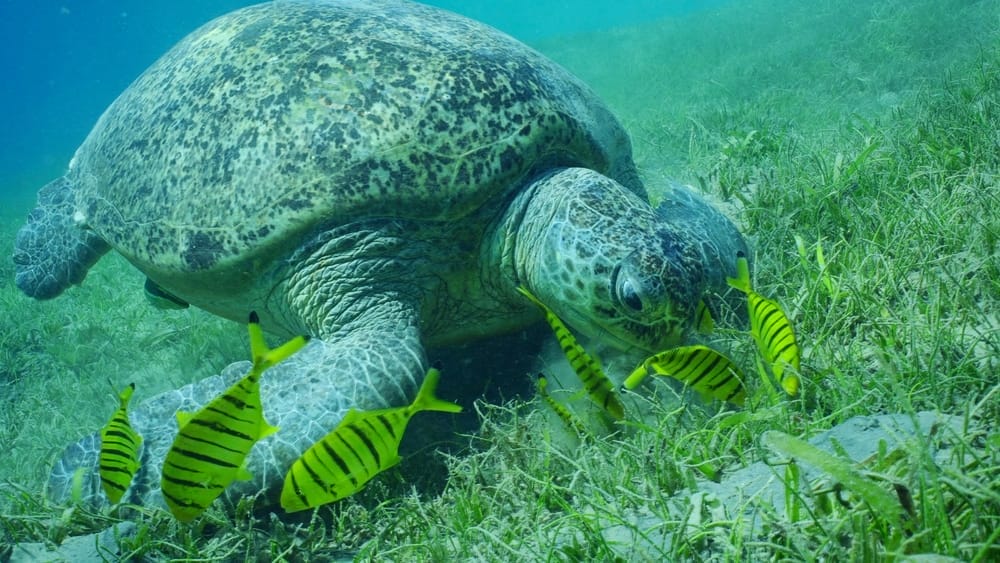
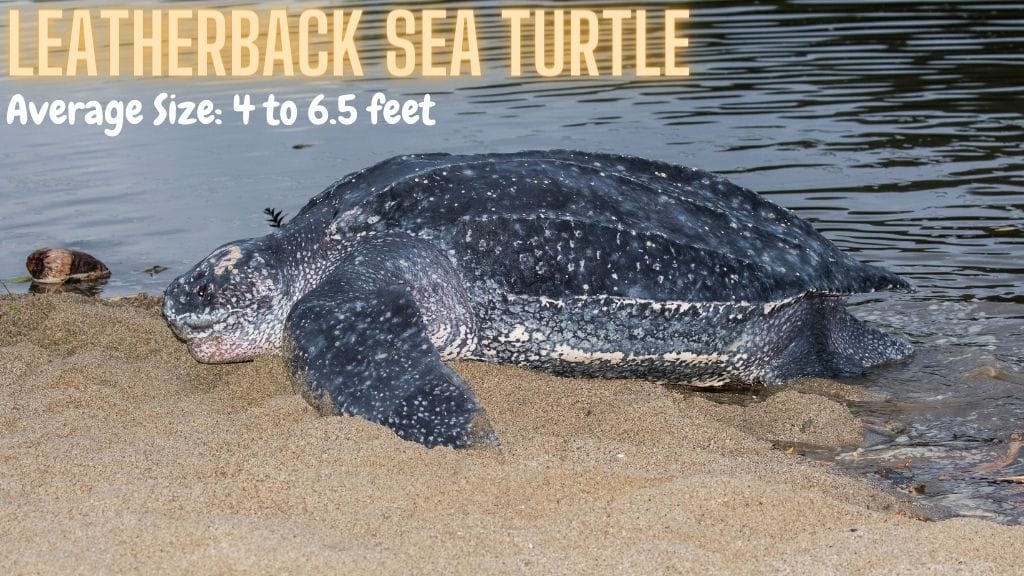
Leatherback sea turtles can reach lengths of up to 2.7 meters (nearly 9 feet) and weights of 500 kilograms (1,100 pounds). The biggest verified specimen? Over 2,000 pounds and 9 feet long.
That’s the size of a golf cart. With flippers.
These massive ocean dwellers aren’t just big—they’re the heaviest non-crocodilian reptiles on the planet. Adults typically average between 4.5 and 6+ feet in length and weigh 300-700 kg, which is still mind-blowing.
Fun fact: They eat roughly 73% of their body weight in jellyfish every single day. Imagine eating 500 pounds of food made mostly of water. That’s dedication.
This Hilarious Turtle Book Might Know Your Pet Better Than You Do

Let’s be real—most turtle care guides feel like reading a textbook written by a sleep-deprived zookeeper.
This one’s not that.
Told from the snarky point of view of a grumpy, judgmental turtle, 21 Turtle Truths You’ll Never Read in a Care Guide is packed with sarcasm, sass, and surprisingly useful insights.
And hey—you don’t have to commit to the whole thing just yet.
Grab 2 free truths from the ebook and get a taste of what your turtle really thinks about your setup, your food choices, and that weird plastic palm tree.
It’s funny, it’s honest, and if you’ve ever owned a turtle who glares at you like you’re the problem—you’ll feel seen.
America’s Freshwater Monsters: Alligator Snapping Turtles
If sea turtles own the ocean, alligator snapping turtles own the rivers.
They’re the largest freshwater turtles in North America, with adults typically ranging from 35 to 80 cm (14-31 inches) in carapace length and weighing 8.4 to 80 kg (19-176 pounds).
But here’s where it gets wild: An unverified report from Kansas in 1937 claimed a 403-pound specimen. The largest confirmed one? 249 pounds.
These prehistoric-looking beasts have spiked shells, massive heads, and can bite with forces between 8.2 and 1,872 Newtons—enough to bite through a broom handle.
Males are usually bigger than females, and very old males comprise most specimens weighing over 99 pounds.
They’re basically living dinosaurs lurking in southern U.S. rivers.
The Common Backyard Snapper
Don’t sleep on the common snapping turtle just because its cousin gets all the attention.
These turtles typically weigh between 4.5-16 kg (10-35 pounds) with carapace lengths of 25-47 cm (10-18.5 inches). But some get way bigger—the heaviest wild specimen reportedly weighed 75 pounds.
Males are larger than females, and almost all individuals over 22 pounds are male and quite old.
These guys live in ponds, lakes, and streams all across eastern North America. They’re way more common than alligator snappers, which is probably why you’ve actually seen one.

Popular Pet Turtles: Red-Eared Sliders
Now we’re getting into more manageable sizes—but don’t be fooled.
Red-eared sliders typically reach 15-20 cm (6-8 inches) in length, though their carapaces can exceed 40 cm (16 inches).
Female red-eared sliders grow up to 10-12 inches, while males reach 7-9 inches.
That’s why so many people who bought them as cute hatchlings end up releasing them (please don’t do this—they’re invasive). The tiny quarter-sized babies you see in pet stores? They keep growing for years.
They need at least a 50-gallon tank when fully grown.
The Painted Turtle: Smaller and Prettier
Painted turtles are the more modest cousins of red-eared sliders.
Adult female painted turtles grow to about 5.5-10 inches, while males reach 3.5-7 inches.
They’re native across North America and way less invasive than sliders. Plus, they’re gorgeous—covered in vibrant yellow and red striping across their bodies and shells.
If you’re thinking about keeping a turtle as a pet, these guys are more beginner-friendly than red-ears simply because they stay smaller.

Box Turtles: The Land Dwellers
Box turtles are terrestrial (they spend most time on land), which makes them unique.
Eastern box turtles grow between 4.5 and 6 inches, with the largest recorded Eastern box turtle measuring 7 13/16 inches.
Ornate box turtles are smaller, typically reaching just 4-5 inches.
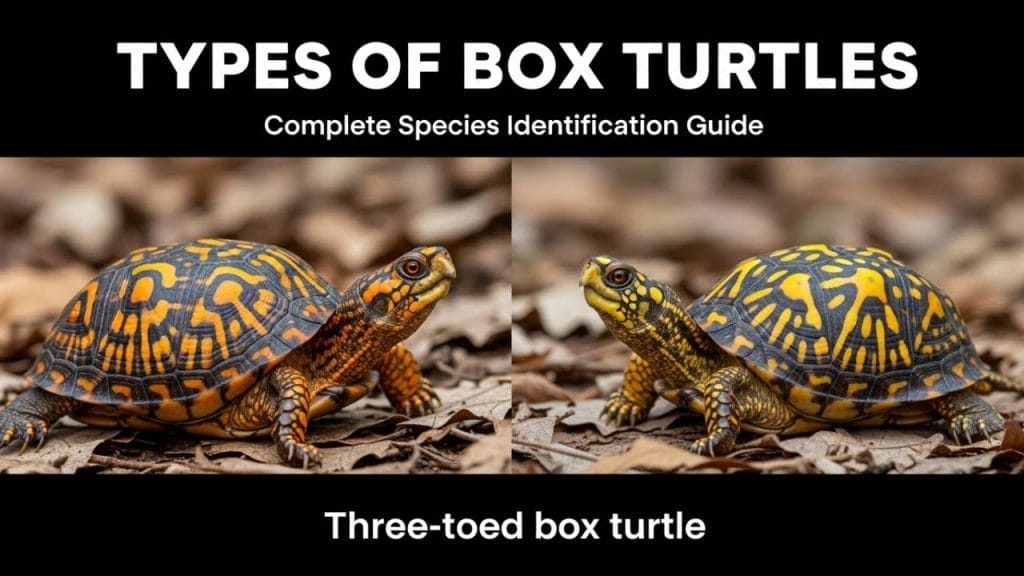
Three-toed box turtles usually measure 4.5-5 inches, occasionally reaching 7 inches.
These little guys have hinged shells that let them completely seal themselves up—think of it like turtles with built-in panic rooms.
The Tiniest Turtle: Bog Turtle
And now for the other end of the spectrum.
The bog turtle is North America’s smallest turtle, measuring just 10 centimeters (4 inches) in straight carapace length when fully grown.
Adults weigh approximately 110 grams (3.9 ounces).
That’s lighter than an iPhone.
These tiny turtles are federally threatened, with bright orangey-yellow blotches behind each ear that make them distinctive. Some live longer than 60 years despite their size.

What Determines How Big a Turtle Gets?
A few things factor into turtle size:
- Species genetics. A bog turtle will never reach leatherback size, no matter how much you feed it. DNA sets the ceiling.
- Gender differences. In most species, one sex grows larger. Female red-eared sliders and ornate box turtles grow bigger than males. But male common snapping turtles are typically larger than females.
- Age and environment. Many turtle species continue growing throughout their lives, though growth slows dramatically after reaching sexual maturity. Diet, habitat quality, and temperature all play roles.
- Temperature during incubation. For many turtles, this doesn’t just determine sex—it can influence size and growth rates later in life.
How Fast Do Turtles Grow?
Here’s something most people don’t realize: turtles grow ridiculously fast when they’re babies, then basically hit the brakes.
Most turtles pack on serious size in their first 3-5 years, then slow way down.
The average growth rate? About 0.8 to 1 inch per year during their early years. After that, it’s more like a crawl—literally.
Growth Rates By Species
Different turtles grow at wildly different speeds.
Red-Eared Sliders: The Speed Demons
Red-eared sliders are basically the overachievers of the turtle world when it comes to growth.
In their first year, they typically grow 3-4 inches. By year two, they’re around 6 cm. By year three, they hit about 10 cm (4 inches).
Males usually stop growing around age 5 at 8-10 inches, while females keep going until age 8, reaching 10-12 inches.
That cute hatchling you bought? It’ll be tank-sized before you know it.
Painted Turtles: Slow and Steady
Painted turtles take their sweet time.
Juveniles grow about 1.2 cm per year. By age one, most reach around 5 cm (2 inches). By age two, they’re near 7 cm. By age ten, they hit about 12 cm and keep climbing slowly.
They don’t reach their maximum size of 6 inches (15 cm) until around 20 years old.
Yeah, you read that right. Twenty years.
Box Turtles: Fast Start, Slow Finish
Box turtles start strong, then pump the brakes hard.
During their first five years, they grow about 1 cm per year. From five to ten years, growth slows to 0.8 cm per year. After ten years? Just 0.2 cm per year.
Hatchlings start at about 2.5 cm. By age five, they reach 7.5 cm. By age ten, they’re at 12.3 cm—and that’s pretty much it.
Most males max out between 5-6 inches, while females reach 5-7 inches.
Snapping Turtles: Heavy Eaters, Fast Growers
Common snapping turtles grow fast when young—seriously fast.
In their first two years, many reach 12-15 cm (5-6 inches). Then growth slows dramatically.
With the right care and time, big adults can reach 45 cm (18 inches) and weigh 75 pounds.
Alligator snapping turtles grow even bigger, though at a more gradual pace. They eventually hit 20-26 inches and can weigh up to 175 pounds or more.
What Affects Growth Rate?
So why do some turtles grow faster than others? A bunch of factors play into it.
Diet: Protein is King
Protein is the secret sauce for turtle growth.
Young turtles are basically carnivores—they need tons of protein to develop their shells and muscles. As they age, most species shift to more plant-based diets.
Feed a baby turtle a low-protein diet, and its growth will crawl. Feed it right, and you’ll see steady, healthy size increases.
Commercial turtle pellets, small fish, insects, shrimp, and worms all provide crucial protein.
UVB Light: The Growth Accelerator
Here’s something wild: turtles can’t properly use calcium without UVB light.
Without it, they can’t grow their shells at full capacity. Their bones stay weak. Growth gets stunted.
Pet turtles need either natural sunlight or artificial UVB lamps in their basking areas. It’s not optional—it’s essential.
Wild turtles bask in the sun for hours each day for exactly this reason.
Tank Size Matters More Than You Think
Keep a turtle in a tiny tank, and its growth will suffer.
It’s not just about swimming space—restricted environments cause stress, reduce appetite, and limit movement. All of this slows growth.
The rule of thumb? 10 gallons of water per inch of turtle length. So a 10-inch turtle needs at least a 100-gallon tank.
That’s not small. That’s basically a small pond.
Temperature: Warmth Equals Growth
Turtles are ectothermic—they can’t produce their own body heat.
Proper water temperature (usually 75-80°F) and a warm basking spot (85-95°F) keep their metabolism running, which means proper digestion and steady growth.
Too cold? Metabolism slows. Digestion stops. Growth tanks.
Hibernation: The Wild Card
Wild turtles hibernate 3 months per year, during which they don’t grow at all.
Pet turtles don’t need to hibernate if kept warm year-round. That means they get 12 full months of growing instead of just 9.
This is why captive turtles often grow faster and bigger than their wild counterparts.
Gender Differences
In most species, females grow larger than males.
Female red-eared sliders, painted turtles, and box turtles all outsize their male counterparts. But here’s the twist: males and females grow at the same rate—females just keep growing longer.
Males typically stop growing around age 5. Females keep going until age 8 or beyond.
Genetics: The Ultimate Ceiling
You can do everything right—perfect diet, ideal lighting, massive tank—and some turtles still won’t reach record sizes.
Genetics set the ceiling. Some turtles are just programmed to stay smaller. Some grow faster. Some keep growing for 15 years while others stop at 8.
It’s like height in humans. You can eat well and exercise, but if your genes say you’re 5’8″, you’re not hitting 6’2″.
Growth Stage Breakdown
Turtles go through distinct growth phases.
Hatchling Stage (Year 0-1): This is when they grow the fastest. Hatchlings are tiny—about the size of a nickel or quarter. Within the first year, most species reach 2-4 inches. They need high-protein diets and tons of care.
Juvenile Stage (Years 1-5): Growth continues at a steady pace of about 1 inch per year, though it varies by species. This is when they’re most vulnerable and need proper nutrition to develop strong shells.
Sub-Adult Stage (Years 5-8): Growth slows considerably. Males of many species reach sexual maturity and stop growing. Females keep going.
Adult Stage (8+ years): Growth becomes minimal or stops entirely. Some species continue slow growth for decades, while others plateau completely.
Can You Speed Up Turtle Growth?
Yes, but should you?
Overfeeding turtles to make them grow faster is actually harmful. Rapid growth leads to shell deformities, pyramiding (bumpy shells), obesity, and shortened lifespans.
The goal isn’t maximum growth—it’s healthy growth.
That means balanced diet, proper lighting, appropriate temperatures, and adequate space. Let the turtle grow at its natural pace.
How to Tell If Your Turtle Is Growing Properly
A few signs indicate healthy growth:
- Smooth shell development. The shell should be firm and smooth, with no soft spots, pitting, or excessive bumps.
- Steady weight gain. Your turtle should gradually gain weight over months and years, not balloon up in weeks.
- Active behavior. Healthy, growing turtles are active, alert, and have good appetites.
- Regular shedding of scutes. As turtles grow, the outer layer of their shell scutes sheds. This is normal and healthy.
If you see pyramiding (pointed, bumpy scutes), soft shells, or lethargy, something’s wrong. Usually it’s diet, lighting, or both.
Wild vs. Captive Growth Rates
Pet turtles typically grow faster and larger than wild turtles.
Why? They get year-round warmth, consistent high-quality food, no predators, and no hibernation periods.
Wild turtles deal with food scarcity, temperature fluctuations, predators, and 3 months of zero growth during hibernation.
A wild painted turtle might take 20 years to reach full size. A captive one might get there in 12-15 years.
Neither is “better”—just different. Wild turtles are adapted to survive in harsh conditions. Pet turtles are optimized for rapid, healthy growth in controlled environments.
Why Size Matters for Conservation
Turtle size isn’t just trivia—it’s survival.
Snapping turtles have life histories characterized by high mortality of eggs and hatchlings, delayed sexual maturity, extended adult longevity, and repeated reproduction.
Translation: most babies die, it takes forever to reach breeding age, but adults live a long time and keep breeding.
That means adult turtles—especially large ones—are crucial for population survival. When you see a massive snapping turtle crossing the road? That’s potentially decades of successful breeding walking across the asphalt.
Stop and help it across (in the direction it was heading, not back where it came from).
The Bottom Line
Turtles range from palm-sized bog turtles to leatherbacks the size of a small boat.
The biggest? Nearly 9 feet and over a ton.
The smallest? 4 inches and lighter than your phone.
And everything in between fills nearly every aquatic and terrestrial habitat across North America. Some live in oceans, some in ponds, some in forests. Some eat jellyfish by the hundreds of pounds, others munch on berries and insects.
The diversity is wild.
Next time you see a turtle—whether it’s a tiny bog turtle or a monster snapper—remember it’s part of an ancient lineage that’s been perfecting the art of living in a shell for over 200 million years.
They’ve survived everything Earth has thrown at them.
Let’s make sure they survive us too.

About Author
Muntaseer Rahman started keeping pet turtles back in 2013. He also owns the largest Turtle & Tortoise Facebook community in Bangladesh. These days he is mostly active on Facebook.