Sea Turtle Predators and Threats: Complete Guide [Natural + Human]
This post was created with help from AI tools and carefully reviewed by a human (Muntaseer Rahman). For more on how we use AI on this site, check out our Editorial Policy.
Sea turtles face threats from 16 different predators plus human activities. In the ocean, tiger sharks and killer whales are the biggest threats to adults, while dolphins and large fish prey on hatchlings.
On land, raccoons, coyotes, foxes, and crabs destroy eggs and baby turtles.
However, the greatest threat to sea turtle survival is human activity: fishing nets kill 10,000+ turtles annually, plastic pollution affects 52% of sea turtles, and illegal poaching continues worldwide.
Sea Turtle Predators at a Glance
| Location | Main Predators | Primary Targets |
|---|---|---|
| Ocean | Tiger sharks, killer whales, dolphins | Adults & juveniles |
| Ocean (small prey) | Large fish (grouper, barracuda, snapper) | Hatchlings only |
| Beach/Land | Raccoons, coyotes, foxes, feral dogs, jaguars | Eggs & hatchlings |
| Nest Sites | Fire ants, crabs, armadillos, wild boars | Eggs primarily |
| Air | Hawks, eagles, vultures | Small-medium turtles |
| Biggest Threat | Humans (nets, plastic, poaching) | All life stages |
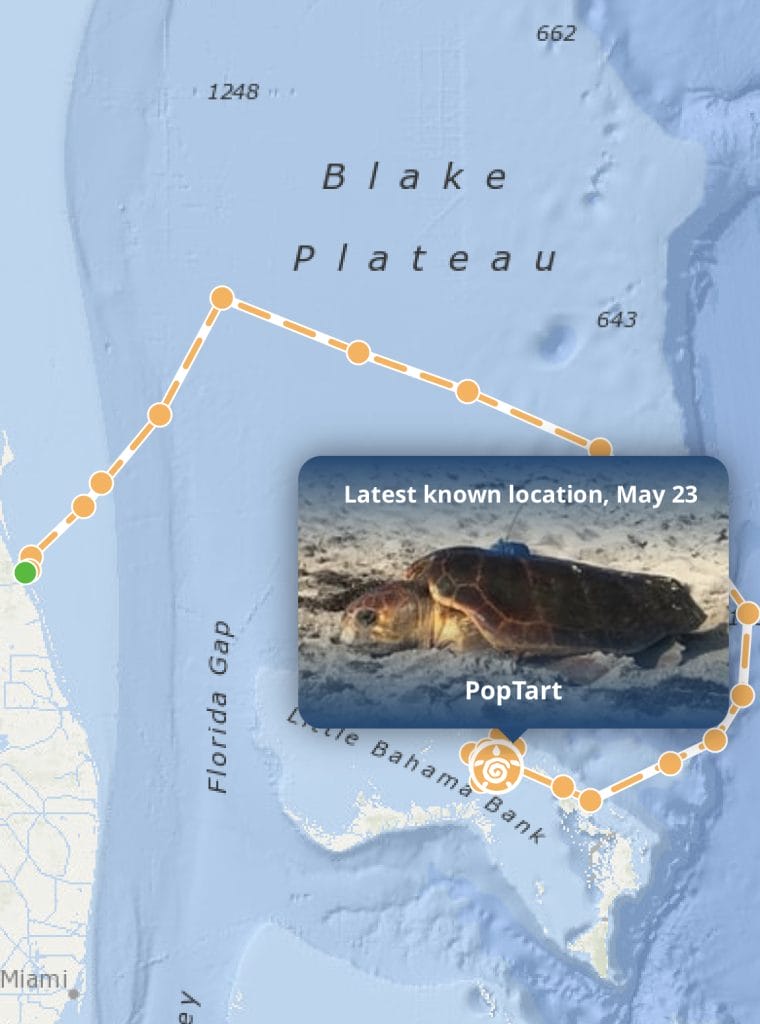
Track A Real Sea Turtle With Each Bracelet!

Learn Name
You get to learn your sea turtle’s name, size, age. Also a picture!
Enjoy Stories
Enjoy the story of your sea turtle, where it came from, where is it going?
Follow Me
You get to follow the sea turtle’s journey on an interactive tracking map!
Click Here & Use Coupon Code: THETURTLEHUB20 For A 20% Discount!
Shocking Sea Turtle Survival Statistics
- Hatchling Survival: Only 1 in 10,000 reach adulthood (0.01%)
- Fishing Net Deaths: 10,000+ documented deaths annually worldwide
- Plastic Impact: 52% of all sea turtles have eaten plastic
- Plastic Death Rate: Each plastic piece = 22% increased death risk
- Egg Predation: Raccoons destroy 60-70% of nests in some areas
- Hatching Success: 50-60% of eggs hatch (when nests aren’t raided)
- Ocean Survival: 90% of hatchlings reach water, but most die within weeks
This Hilarious Turtle Book Might Know Your Pet Better Than You Do

Let’s be real—most turtle care guides feel like reading a textbook written by a sleep-deprived zookeeper.
This one’s not that.
Told from the snarky point of view of a grumpy, judgmental turtle, 21 Turtle Truths You’ll Never Read in a Care Guide is packed with sarcasm, sass, and surprisingly useful insights.
And hey—you don’t have to commit to the whole thing just yet.
Grab 2 free truths from the ebook and get a taste of what your turtle really thinks about your setup, your food choices, and that weird plastic palm tree.
It’s funny, it’s honest, and if you’ve ever owned a turtle who glares at you like you’re the problem—you’ll feel seen.
Ocean Predators: What Eats Sea Turtles in Water
1. Tiger Sharks (The #1 Predator)
Tiger sharks are the most dangerous predator for adult sea turtles. These massive predators grow 14-18 feet long and weigh 850-1,400 pounds, making them roughly twice the size of even the largest leatherback sea turtles.
Why they’re so deadly:
- Non-selective feeders (eat everything in their path)
- Powerful jaws can crush turtle shells
- Fast swimmers (20 mph in short bursts)
- Hunt in coastal waters where sea turtles feed
Tiger sharks often target sea turtle flippers first, rendering them unable to swim or escape. Even if the turtle survives the initial attack, the wounds can become infected and lead to death weeks later.
Species most at risk: Green sea turtles, loggerheads, and hawksbills
2. Killer Whales (Orcas)
The relationship between killer whales and sea turtles is complex and not fully understood by scientists. Some killer whale pods hunt sea turtles while others don’t seem interested in them as food.
Documented behavior:
- In 2001, researchers observed orcas hunting leatherback sea turtles off California
- In 2017, three orcas were filmed “playing” with green sea turtles near Isla Isabella, Mexico—dragging them underwater repeatedly but not eating them
- Leatherback sea turtles appear to be the preferred target when orcas do hunt
Why the mixed behavior? Scientists believe different killer whale pods have different food preferences based on cultural learning. Some pods may have learned to hunt turtles while others never developed the taste for them.
Size advantage: Killer whales grow 20-26 feet long, making adult sea turtles easy prey when targeted.
3. Dolphins
Whether dolphins eat sea turtles is still debated among marine biologists. Most researchers believe dolphins and sea turtles coexist peacefully, but there’s some evidence suggesting dolphins may prey on hatchlings.
The debate:
- Peaceful coexistence camp: Points to frequent observations of dolphins and turtles swimming near each other without aggression
- Predation camp: Notes that dolphins are carnivores capable of hunting small prey, and baby turtles would be easy targets
What we know for certain:
- Adult dolphins (6-12 feet) are too small to threaten adult sea turtles (up to 9 feet)
- Dolphins use sharp beaks and teeth for hunting
- They practice “pinwheeling” techniques that could work on small prey like hatchlings
- No conclusive photo or video evidence of dolphins eating sea turtle hatchlings exists
Verdict: Possible but unproven. More research needed.
4. Large Predatory Fish
Several large fish species pose serious threats to sea turtle hatchlings during their vulnerable journey to deeper waters.
Main threats:
- Grouper: Ambush predators that can swallow hatchlings whole
- Barracuda: Fast swimmers with razor-sharp teeth
- Snapper: Bottom-dwellers that attack from below
- Largemouth bass: In areas where freshwater meets ocean
- Jacks and trevally: Pack hunters in shallow waters
These fish typically don’t threaten adult sea turtles due to their size, but they’re deadly to babies making their first swim from beach to open ocean.
Snuggle a Plush. Track a Turtle.
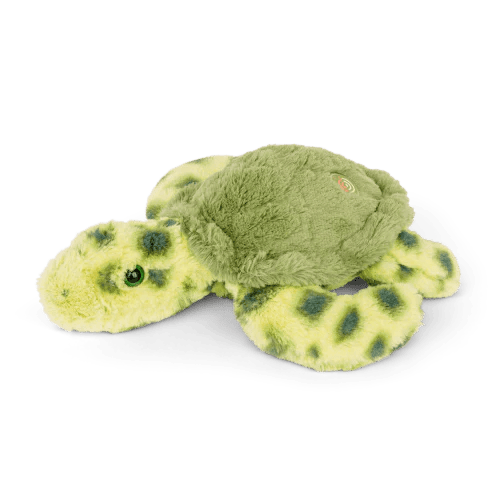
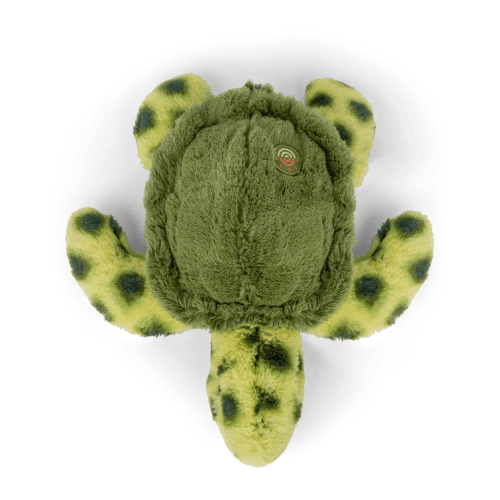
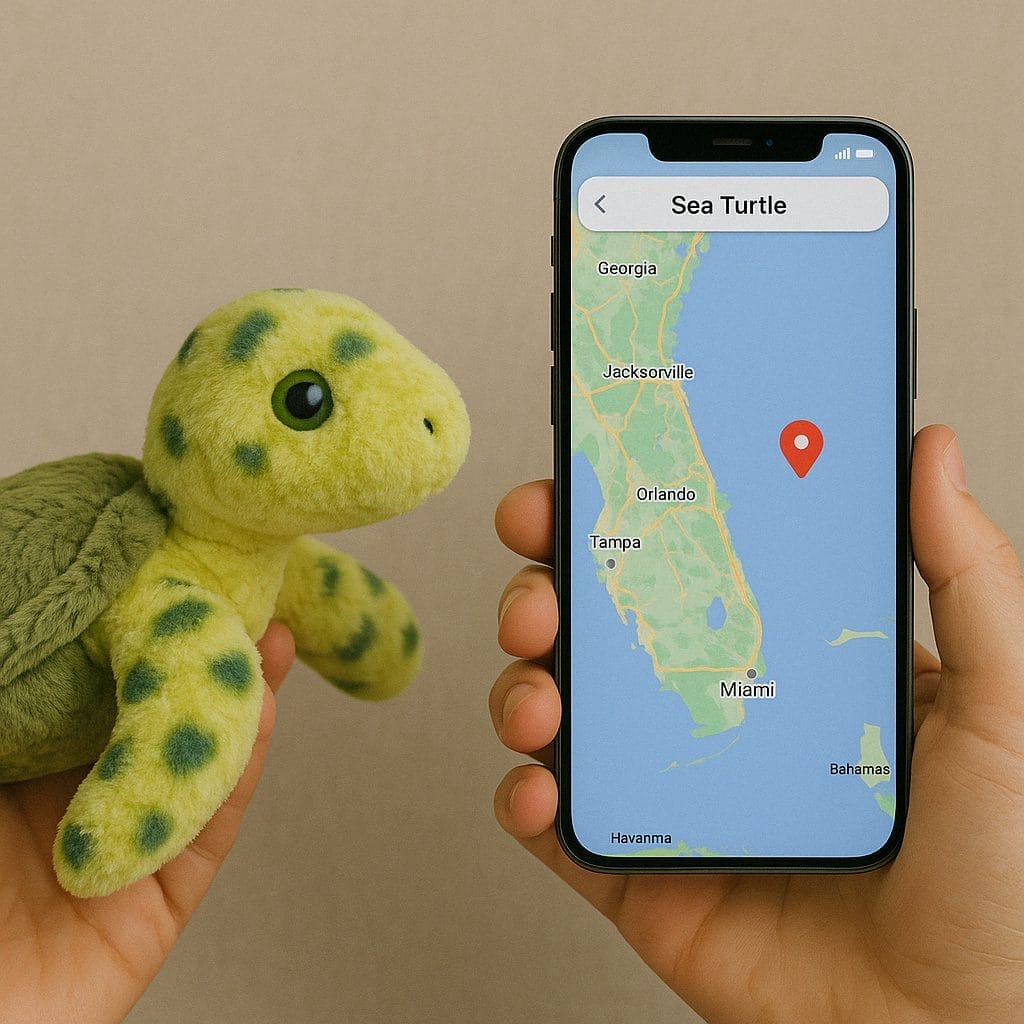
🧸 + 🌊 = 🐢 A toy that connects you to real sea turtles in the wild.
Meet Your Turtle
Scan the tag to meet your real sea turtle. Learn its name, species, and see a real photo!
Follow the Journey
Watch your turtle swim across the ocean using the 3D tracking map. It’s like a sea adventure in your pocket.
Support Wildlife
Every plush supports turtle conservation efforts through the Sea Turtle Conservancy.
Click Here & Use Coupon Code: THETURTLEHUB20 For A 20% Discount! (Your hug helps a turtle.)
Land Predators: Threats to Eggs and Hatchlings
5. Raccoons (The Most Destructive)
Raccoons are responsible for more sea turtle nest destruction than any other predator. These intelligent mammals have keen senses of smell and can detect buried eggs up to 3 feet underground.
Why they’re so devastating:
- One raccoon can destroy an entire nest of 80-200 eggs in a single night
- They systematically search beaches during nesting season
- Excellent diggers with dexterous paws
- Will also hunt hatchlings emerging from sand
Impact: In some areas, raccoons destroy 60-70% of all sea turtle nests. Conservation programs often require raccoon-proof cages over nests.
6. Coyotes
Coyotes are opportunistic predators that patrol beaches looking for easy meals. Sea turtle eggs and hatchlings fit the bill perfectly.
Hunting behavior:
- Use keen sense of smell to locate nests
- Dig up eggs and consume them on-site
- Will eat 60-120 eggs in one feeding session
- Also prey on newly hatched turtles heading to water
A 2015 report documented coyotes destroying about 60 sea turtle nests in a single season on one beach. While this seems catastrophic, coyotes typically don’t destroy entire clutches like raccoons do—they eat their fill and move on.
7. Foxes
Both red and gray foxes are skilled nest raiders with hunting patterns similar to coyotes. Their smaller size means they eat fewer eggs per visit, but they’re just as persistent in finding nests.
Key facts:
- Can detect eggs buried in sand through smell
- Target both eggs and hatchlings
- Most active at dawn and dusk (when hatchlings often emerge)
- Found on beaches worldwide where their habitat overlaps with nesting sites
8. Feral Dogs
Wild and feral dogs have become a significant threat to sea turtle populations, especially in developing coastal regions. Unlike their domesticated cousins, these dogs rely on hunting for survival.
The problem:
- Village dogs near beaches have learned to target turtle nests
- Invasion rates of 5-55% documented in some areas
- Primarily eat eggs (don’t typically eat hatchlings, but may chew on shells)
- Pack behavior makes them efficient nest finders
A study in coastal villages found that outdoor dogs view turtle nests as a reliable protein source, returning to beaches repeatedly during nesting season.
9. Jaguars
This may surprise you, but jaguars actively hunt adult female sea turtles on nesting beaches. This behavior has been well-documented in Costa Rica, particularly at Playa Nancite beach.
Why it works for jaguars:
- One sea turtle provides several days of food
- Nesting females are vulnerable and slow on land
- Easy targets compared to fast-moving land prey
- No risk of injury (turtles can’t fight back effectively)
Jaguars are the largest cats in Central and South America, growing up to 250 pounds. When a 300-pound sea turtle is laying eggs on the beach, it’s an easy meal for these powerful predators.
Conservation concern: While jaguar predation isn’t currently a major threat numerically, scientists worry it could increase as jaguar habitats shrink and they’re forced to seek food near coastlines.
10. Wild Boars
Wild hogs are invasive in many coastal regions and have developed a taste for sea turtle eggs. Their powerful snouts make them excellent diggers.
Damage they cause:
- Root through sand to locate nests
- Can destroy multiple nests in one night
- Eat both eggs and newly hatched babies
- Their digging can expose nests to other predators
11. Armadillos
Armadillos don’t eat adult or baby turtles, but they’re lethal to eggs and developing embryos.
How they attack:
- Attracted to egg yolk nutrients
- Dig into nests and pierce eggs with sharp claws
- Even eggs they don’t fully eat are damaged
- Injured embryos rarely survive to hatching
The “partial destruction” caused by armadillos is particularly problematic because damaged eggs often go unnoticed by conservation workers trying to assess nest success rates.
12. Mongoose
The mongoose is a non-native species in Hawaii that’s become a serious problem for ground-nesting birds and reptiles, including green sea turtles.
Why they’re dangerous:
- Opportunistic feeders with varied diet
- Fast and agile hunters
- Hunt both eggs and hatchlings
- Population growing in Hawaiian islands
Conservation groups consider mongoose control essential for protecting Hawaiian sea turtle populations.
Other Natural Predators
13. Birds of Prey (Hawks, Eagles, Vultures)
Large predatory birds pose threats to juvenile and small adult sea turtles that surface to breathe or come ashore.
Hunting technique:
- Spot turtles from high altitude
- Dive and grab with powerful talons
- Carry turtle to height of 50-100+ feet
- Drop turtle onto rocks to crack shell
- Feed on exposed flesh
Species most vulnerable: Smaller sea turtle species like olive ridleys and Kemp’s ridleys, plus juveniles of all species.
Where it happens: Coastal areas with rocky cliffs or hard surfaces for dropping prey.
14. Fire Ants
Never underestimate the power of these tiny insects. Fire ants can destroy an entire sea turtle nest in just 2-3 days.
How they attack:
- Invade nests through microscopic openings
- Attack eggs before and during hatching
- Sting and bite emerging hatchlings
- Venom is toxic to newborns
- Work in massive colonies (thousands of ants)
Baby sea turtles take 2-3 days to fully emerge from eggs and dig to the surface. Fire ants time their attacks for this vulnerable period, when hatchlings are trapped in sand and can’t escape.
Geographic concern: Major problem in southeastern United States and Central America where fire ants overlap with nesting beaches.
15. Crabs
Multiple crab species threaten sea turtle eggs and hatchlings, particularly in tropical regions.
Types involved:
- Ghost crabs (most common)
- Land crabs
- Coconut crabs (in Pacific islands)
Their tactics:
- Use strong claws to crack eggs
- Dig into nests from the side
- Ambush hatchlings crossing the beach
- Most active at night (when hatchlings emerge)
Crabs can’t destroy a nest as thoroughly as mammals, but they’re numerous and persistent. On some beaches, nearly every nest experiences some crab predation.
16. Lizards
Lizards are opportunistic feeders that occasionally prey on sea turtle eggs and hatchlings, though they’re not specialized turtle predators.
Species involved:
- Monitor lizards (largest threat, found in Asia/Pacific)
- Iguanas (in Caribbean)
- Various other large lizard species
Typical behavior: Will raid accessible nests or attack vulnerable hatchlings, but don’t actively seek out turtle nests like mammals do.
Human Threats: The #1 Danger to Sea Turtles
While natural predators are part of the ecosystem, human activities are the primary reason sea turtle populations have plummeted to endangered status. We are both the biggest threat and the only species capable of actively protecting sea turtles.
Fishing Nets and Bycatch (10,000+ Deaths Annually)
Commercial fishing operations kill more sea turtles than all natural predators combined.
The problem:
- Trawling nets trap turtles underwater
- Turtles can hold their breath 4-7 hours normally
- Stress and struggling deplete oxygen faster
- Trapped turtles drown in 30-60 minutes
- Dead turtles are discarded as “bycatch”
Documented incidents:
- 2017: 300-400 sea turtles found dead on El Salvador coast (suspected fishing-related deaths)
- Official reports: 10,000 documented deaths in past 20 years from commercial fleets
- Actual number: Likely hundreds of thousands when including unreported cases globally
Why it continues: Fishermen prioritize profit over turtle safety. Many view dead turtles as acceptable “collateral damage.” Since keeping sea turtles is illegal, dead ones are simply dumped overboard.
Solutions exist:
- Turtle Excluder Devices (TEDs) in nets
- Modified fishing practices
- Restricted fishing in turtle habitat areas
- Unfortunately, enforcement is weak in many regions
Plastic Pollution (Affecting 52% of Sea Turtles)
Plastic in the ocean is one of the most visible and devastating human threats to sea turtles.
The shocking statistics:
- 52% of all sea turtles have ingested plastic at least once
- Each piece of plastic increases death risk by 22%
- 8 million metric tons of plastic enter oceans annually
- 150 million metric tons already in the ocean
- Plastic takes 20-500 years to degrade
How plastic kills sea turtles:
- Intestinal blockage: Plastic blocks digestive tract, preventing normal eating and elimination
- Internal bleeding: Sharp plastic pieces cut stomach and intestinal walls
- Malnutrition: Plastic prevents nutrient absorption even if turtle is eating
- False satiation: Stomach full of plastic makes turtle feel “full” so it stops eating
- Toxic chemicals: Plastic leaches harmful chemicals into turtle’s body
- Entanglement: Plastic bags, six-pack rings, and fishing line cause drowning or starvation
Why sea turtles eat plastic: Floating plastic bags and wrappers look identical to jellyfish—a primary food source for many sea turtle species. By the time they realize it’s not food, they’ve already swallowed it.
The viral straw incident: Remember the 2018 video of researchers removing a plastic straw from a sea turtle’s nostril? That 8-minute video showed the turtle in obvious pain and discomfort. It went viral and sparked the movement to ban plastic straws—proof that awareness can drive change.
What the research shows: A study of 102 sea turtles from various oceans found that 100% had ingested plastic. Another study found plastic in 70% of deceased loggerhead sea turtles in Queensland, Australia.
Illegal Poaching and Trade
Despite worldwide protections, sea turtles are still hunted and sold illegally for profit.
What’s traded:
- Meat: Considered a delicacy in some cultures; sold in restaurants to wealthy customers
- Eggs: Sold as food and (falsely) as aphrodisiacs
- Shells: Used for jewelry, decorative items, and traditional crafts
- Bones: Sold for traditional medicine (no proven medical benefit)
- Live turtles: Sold to private collectors despite being illegal as pets
The black market:
Sea turtles can sell for thousands of dollars on the black market. This lucrative trade continues despite penalties because:
- High profit margins tempt poor coastal communities
- Enforcement is difficult in remote areas
- Cultural traditions claim turtles as food/medicine
- Corruption allows traders to operate
Why you can’t keep a sea turtle as a pet:
- Illegal in every country (penalties up to $20,000 fine and/or 6 months jail)
- They require ocean conditions impossible to replicate
- Captivity drastically shortens their lifespan
- Removing them from wild harms endangered populations
Habitat Disturbance and Beach Development
Human presence on nesting beaches disrupts the natural reproduction cycle.
The problems:
1. Artificial lighting:
- Hatchlings use moonlight reflection on water to find the ocean
- Building lights confuse them, leading babies inland where they die
- Even one misled hatchling = wasted egg from endangered population
2. Beach traffic:
- Vehicles driving on beaches crush hidden nests
- Compacted sand makes it harder for hatchlings to emerge
- Beach furniture and umbrellas block paths to water
3. Human harassment:
- Touching nesting females (illegal and stressful)
- Flash photography disorients turtles
- Crowds of tourists scare females away before laying eggs
- Selfie-seekers getting too close
4. Coastal development:
- Hotels and resorts built on historic nesting beaches
- Seawalls prevent beach access
- Beach erosion from construction washes away nests
- Noise pollution disturbs nesting behavior
Legal protections:
In many places like Florida, it’s a third-degree felony to touch or harass a sea turtle. Fines can reach $20,000 because these species are endangered and every individual matters for population recovery.
Climate Change
Rising global temperatures pose an existential threat to sea turtles through a unique biological vulnerability.
The temperature problem:
Sea turtle sex is determined by incubation temperature:
- Warm sand (above 85°F/29.5°C): Produces female hatchlings
- Cool sand (below 85°F/29.5°C): Produces male hatchlings
Why this matters now:
- Global temperatures rising due to climate change
- Beach sand getting consistently warmer
- Recent studies show 90%+ female hatchlings in some locations
- Too few males = reproduction problems in 20-30 years
Other climate impacts:
- Stronger storms destroy nests
- Rising sea levels flood nesting beaches
- Changing ocean currents affect food sources
- Coral bleaching reduces feeding habitats (for species like hawksbills)
Sea Turtle Predator FAQs
What is the biggest predator of sea turtles?
Tiger sharks are the #1 predator of adult sea turtles in the ocean. They’re non-selective feeders that grow 14-18 feet long and can easily overpower sea turtles with their powerful jaws. On land, raccoons are the most destructive, responsible for 60-70% of nest destruction in some areas.
Do killer whales eat sea turtles?
Yes, but not all killer whale pods hunt them. Research shows some orcas actively hunt and eat leatherback sea turtles, while others interact with turtles aggressively (biting, dragging) but don’t consume them. Food preferences may vary by pod based on cultural learning.
Do dolphins eat baby sea turtles?
It’s debated with no conclusive evidence. Some researchers believe dolphins prey on sea turtle hatchlings since they’re carnivores capable of hunting small prey. Others maintain dolphins and turtles coexist peacefully. No documented photos or videos confirm dolphins eating turtle hatchlings.
What eats sea turtle eggs?
Raccoons are the #1 egg predator and can destroy entire nests (80-200 eggs) in one night. Other major threats include coyotes, foxes, feral dogs, armadillos, fire ants, crabs, wild boars, and mongoose. Raccoons are so destructive that many conservation programs require protective cages over nests.
What percentage of baby sea turtles survive?
Only 0.01% (1 in 10,000) sea turtle hatchlings survive to adulthood. Here’s the breakdown: 50-60% of eggs hatch successfully, 90% of hatchlings reach the ocean, but predators, pollution, and other threats kill most within weeks or months after hatching.
What is the biggest threat to sea turtles?
Humans are the biggest threat by far. Fishing nets kill 10,000+ sea turtles annually, 52% have ingested plastic (with 22% death risk per piece), illegal poaching continues worldwide, and coastal development destroys nesting habitat. Human threats far exceed all natural predators combined.
Do jaguars eat sea turtles?
Yes. Jaguars in Costa Rica actively hunt nesting female sea turtles on beaches. One sea turtle provides several days of food for a jaguar with virtually no risk of injury, making them attractive prey. While not currently a major threat numerically, scientists worry this behavior could increase as jaguar habitats shrink.
Are sea turtles endangered because of plastic?
Plastic is a major contributor to endangered status. 52% of all sea turtles have eaten plastic, which causes intestinal blockage, internal bleeding, starvation, and death. Each plastic piece increases death risk by 22%. Additionally, thousands die annually from entanglement in plastic debris.
How many sea turtles die from fishing nets?
At least 10,000 sea turtles die annually from commercial fishing net entanglement (documented cases). The actual number including unreported deaths may reach hundreds of thousands globally. Turtles drown when trapped underwater and unable to surface for air.
Why do sea turtles eat plastic?
Floating plastic bags and wrappers look identical to jellyfish—a primary food source for many sea turtle species. The turtles can’t distinguish plastic from real jellyfish until it’s too late. This is why plastic bags are particularly deadly to sea turtles.
Protecting Sea Turtles: What You Can Do
While natural predators are part of the ecosystem and maintain balance, human threats are entirely preventable. Here’s how you can help protect sea turtles:
Immediate Actions:
- Reduce plastic use – Every plastic bag, bottle, and wrapper you avoid could save a turtle’s life. Use reusable bags, containers, and avoid single-use plastics.
- Properly dispose of fishing line – Discarded fishing line entangles and kills turtles. Cut it into small pieces before disposal or bring it to designated recycling centers.
- Support sustainable fishing – Choose seafood from fisheries that use Turtle Excluder Devices (TEDs) and turtle-safe practices. Look for certifications.
- Turn off beachfront lights during nesting season – If you live or vacation near nesting beaches, close curtains and turn off outdoor lights May-October.
- Report violations – If you see someone harassing nesting turtles, taking eggs, or selling turtle products, report to local wildlife authorities immediately.
Beach Etiquette:
- Give nesting turtles space – Stay at least 20 feet away and never touch them
- No flash photography – Flash disorients turtles and can cause them to abandon nesting
- Don’t block paths to water – Remove beach furniture at night during nesting season
- Fill in holes – Kids’ sandcastles and holes can trap hatchlings heading to ocean
- Leave no trace – Pack out all trash, especially plastic items
Long-term Support:
- Donate to conservation organizations – Groups like Sea Turtle Conservancy, Oceana, and local organizations protect nests, rescue injured turtles, and advocate for stronger protections.
- Educate others – Share what you’ve learned about sea turtle threats with friends, family, and social media followers.
- Support environmental policies – Vote for representatives who prioritize ocean conservation and wildlife protection.
- Participate in beach cleanups – Join or organize coastal cleanup events to remove plastic and debris from nesting beaches.
- Adopt a sea turtle – Many conservation programs offer symbolic adoptions where your donation funds specific turtle tracking and protection.
Remember:
Humans are both the biggest threat to sea turtles AND the only species capable of actively protecting them. Every action matters when you’re trying to save a species where only 1 in 10,000 babies survives to adulthood.
The natural predators will always be there—that’s nature’s balance. But we can control human impacts. We can reduce plastic. We can modify fishing practices. We can protect nesting beaches. We can stop poaching.
The question isn’t whether we can save sea turtles. It’s whether we will.
Related Articles
Want to learn more about sea turtles? Check out these guides:
- Sea Turtle Life Cycle: 5 Stages From Egg to Adult
- Sea Turtle Identification Guide: 7 Species Comparison
- 15 Fascinating Turtle Facts: Lifespan, Biology, and Behavior
- How to Care for Turtle Eggs: Complete Guide

About Author
Muntaseer Rahman started keeping pet turtles back in 2013. He also owns the largest Turtle & Tortoise Facebook community in Bangladesh. These days he is mostly active on Facebook.