How Long Do Sea Turtles Actually Live? (Spoiler: Way Longer Than Your Last Phone)

This post was created with help from AI tools and carefully reviewed by a human (Muntaseer Rahman). For more on how we use AI on this site, check out our Editorial Policy.
Look, I’ll be straight with you.
When most people think about sea turtles, they picture slow, chill ocean dudes paddling around without a care in the world. And while that’s not wrong, there’s something about these guys that’ll blow your mind: they live RIDICULOUSLY long lives.
We’re talking decades upon decades. Some might even hit triple digits.
Yeah, you read that right. While you’re upgrading your phone every two years, sea turtles are out here living through entire human generations.
The Short Answer (For People in a Hurry)
Sea turtles typically live 50-100 years in the wild.
But here’s where it gets messy: nobody actually knows for sure. Scientists have been trying to figure this out for ages, and the honest truth is that sea turtles live longer than most research projects. By the time a scientist retires, the turtle they tagged as a baby is probably still swimming around somewhere, completely unbothered.
The most consistent estimate? About 80 years.
But some individuals? They’re probably laughing at that number right now.
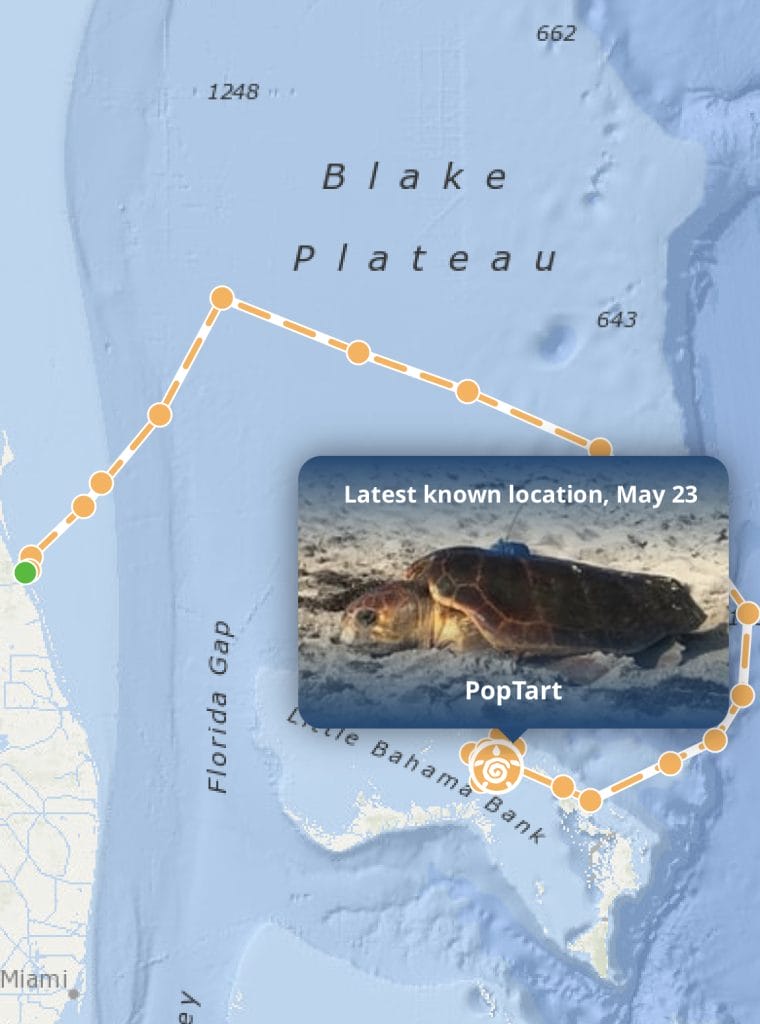
Track A Real Sea Turtle With Each Bracelet!

Learn Name
You get to learn your sea turtle’s name, size, age. Also a picture!
Enjoy Stories
Enjoy the story of your sea turtle, where it came from, where is it going?
Follow Me
You get to follow the sea turtle’s journey on an interactive tracking map!
Click Here & Use Coupon Code: THETURTLEHUB20 For A 20% Discount!
Why Is It So Hard to Tell?
Imagine trying to track something that:
- Spends 99% of its life underwater
- Migrates thousands of miles across oceans
- Takes 20-50 years just to reach baby-making age
- Doesn’t exactly carry ID
Yeah. That’s the problem.
Scientists can’t just walk up to a sea turtle and count rings like they do with trees. The best they can do is use bone analysis on dead turtles (measuring growth rings in bones, like skeletochronology), track tagged individuals for decades, or use fancy new genetic methods.
And even then? It’s educated guessing.
This Hilarious Turtle Book Might Know Your Pet Better Than You Do

Let’s be real—most turtle care guides feel like reading a textbook written by a sleep-deprived zookeeper.
This one’s not that.
Told from the snarky point of view of a grumpy, judgmental turtle, 21 Turtle Truths You’ll Never Read in a Care Guide is packed with sarcasm, sass, and surprisingly useful insights.
And hey—you don’t have to commit to the whole thing just yet.
Grab 2 free truths from the ebook and get a taste of what your turtle really thinks about your setup, your food choices, and that weird plastic palm tree.
It’s funny, it’s honest, and if you’ve ever owned a turtle who glares at you like you’re the problem—you’ll feel seen.
Breaking Down the Species (AKA Who Lives Longest?)
Not all sea turtles are created equal when it comes to lifespan. Here’s the rundown:
Green Sea Turtles: The Marathon Runners
Lifespan: 60-80 years (possibly longer)
These guys are the vegetarians of the bunch, munching mostly on seagrass and algae. They take their sweet time growing up too – we’re talking 26-40 years before they’re ready to reproduce. That’s longer than most people spend in school AND their first career combined.
Because they eat their veggies, they mature slower than their carnivorous cousins. It’s like they’re on the slowest slow-food diet imaginable.
Loggerhead Turtles: The Documented Legends
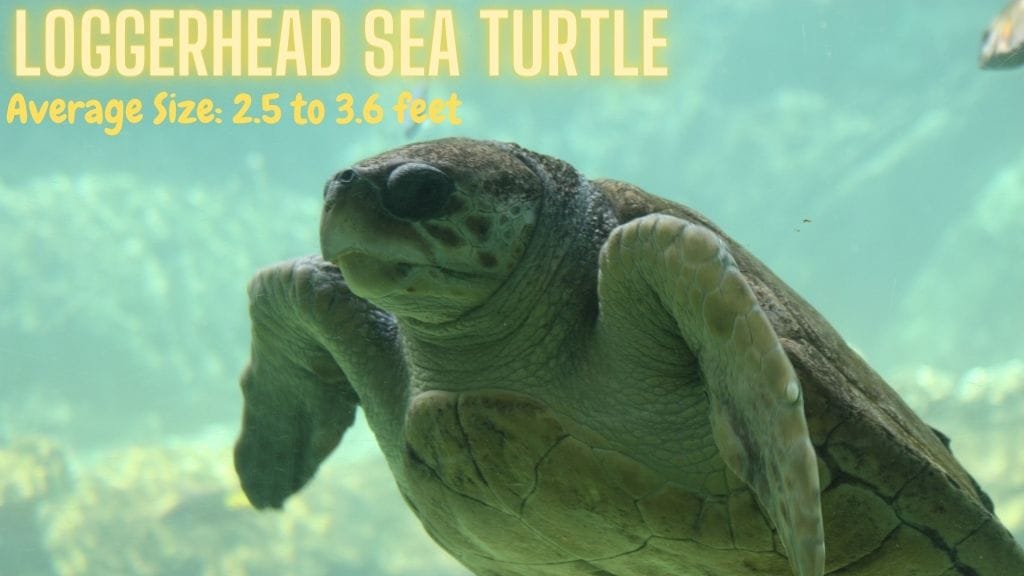
Lifespan: 70-80 years (confirmed cases pushing 90+)
Loggerheads are where things get interesting. There’s this famous turtle called Big Bertha who was first tagged in Georgia back in 1980 and was still nesting in 2016. That’s at least 36 years of documented nesting.
But wait – it gets better.
Through genetic testing on her eggs, scientists discovered Big Bertha has daughters who are currently nesting. Since loggerheads don’t start having babies until they’re around 30-35 years old, that puts Big Bertha somewhere between 85-91 years old as of 2016.
She’s literally a grandmother still laying eggs. Let that sink in.
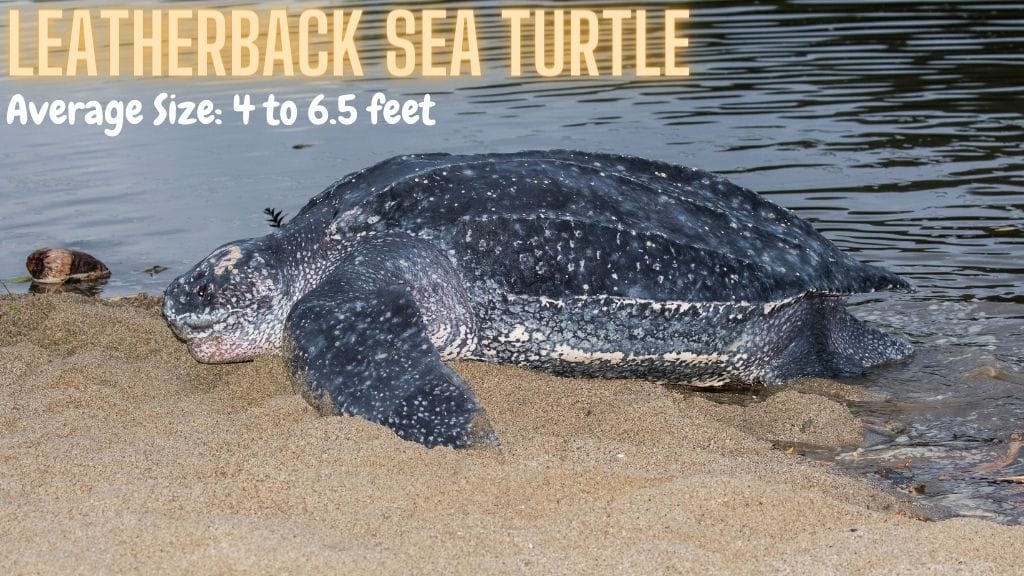
Leatherback Turtles: The Massive Mystery
Lifespan: 50+ years (probably way more)
Leatherbacks are the giants of the sea turtle world – we’re talking up to 2,000 pounds and 6-9 feet long. They’re absolute units.
One leatherback that washed up in Wales in 1988 was estimated to be around 100 years old based on its massive size (2,019 pounds – the largest ever recorded). But honestly? Scientists admit they don’t know much about leatherback longevity because these things are notoriously hard to study.
They dive deeper, swim farther, and live more mysteriously than any other sea turtle.
The Smaller Crew
- Hawksbill Turtles: 50-60 years
- Olive Ridley Turtles: ~50 years
- Kemp’s Ridley Turtles: ~30 years (the shortest-lived, but still nothing to sneeze at)
- Flatback Turtles: 80+ years (but they only hang out near Australia, so data is limited)
Snuggle a Plush. Track a Turtle.
🧸 + 🌊 = 🐢 A toy that connects you to real sea turtles in the wild.


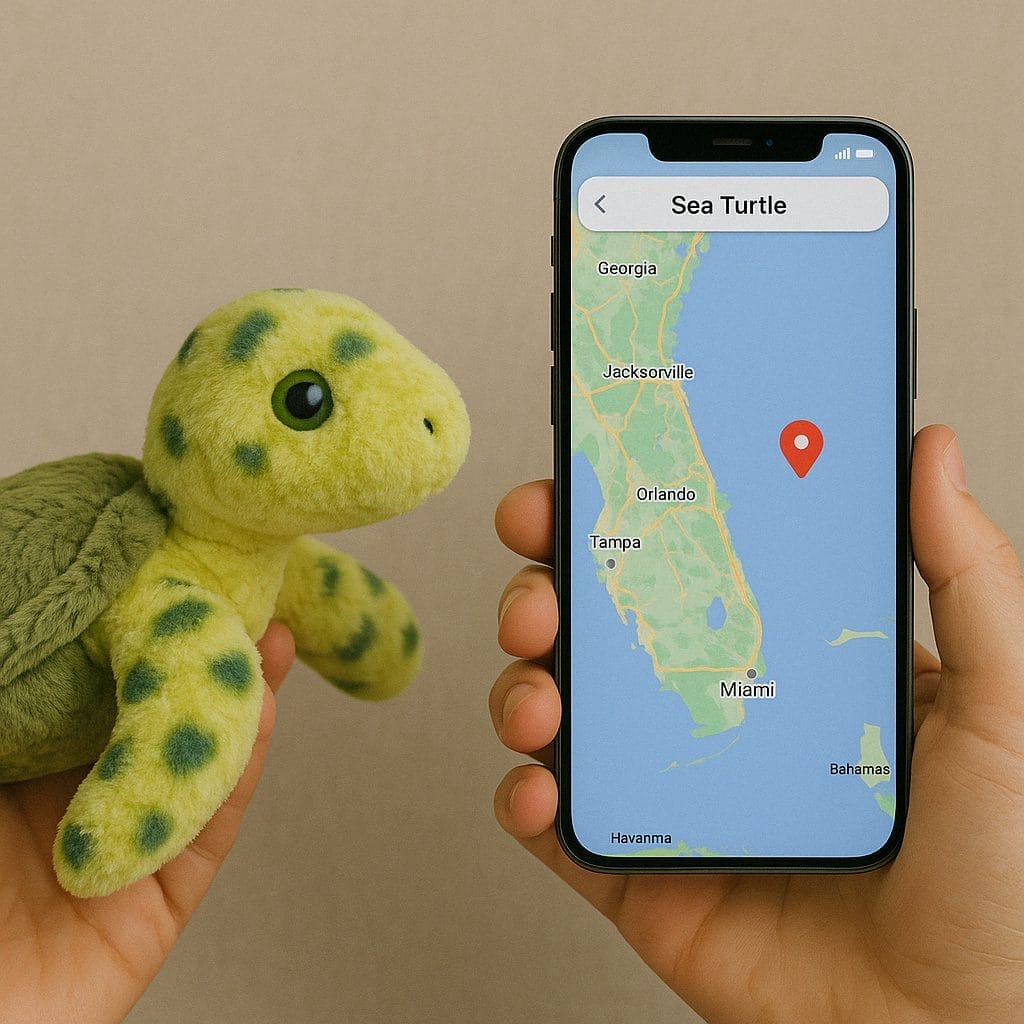
Meet Your Turtle
Scan the tag to meet your real sea turtle. Learn its name, species, and see a real photo!
Follow the Journey
Watch your turtle swim across the ocean using the 3D tracking map. It’s like a sea adventure in your pocket.
Support Wildlife
Every plush supports turtle conservation efforts through the Sea Turtle Conservancy.
Click Here & Use Coupon Code: THETURTLEHUB20 For A 20% Discount! (Your hug helps a turtle.)
The Wildest Claims (Take With a Grain of Salt)
According to the Guinness Book of World Records, the oldest known sea turtle supposedly lived for 400 years.
Yeah. Four. Hundred. Years.
The problem? It wasn’t officially documented. So while it’s fun to imagine a sea turtle that was born during the Renaissance still swimming around today, we can’t actually prove it happened.
Some scientists speculate certain individuals could reach 150-400 years, but without solid evidence, it’s all speculation.
Why Do They Live So Long?
Great question. A few reasons:
Slow Metabolism Sea turtles operate on ultra-low power mode. When they’re chilling underwater, their heart rate can drop to one beat every nine minutes. ONE BEAT. NINE MINUTES. Meanwhile, your heart is over here doing cardio just from reading this.
Efficient DNA Repair Some studies suggest sea turtles are better at fixing cellular damage than most animals. While humans are out here getting wrinkles at 40, sea turtles are barely middle-aged at 50.
That Shell Life Having a built-in fortress definitely helps you avoid becoming someone’s lunch. Fewer predators = longer life.
Ancient Anatomy Sea turtles have barely changed in 110 million years. They swam with dinosaurs. They’ve seen some stuff. They’ve clearly figured out the formula for survival.
The Tragedy: Most Never Make It
Here’s the gut-punch.
Only 1 in 1,000 sea turtle hatchlings survive to adulthood.
Yeah. Out of every thousand baby turtles that scramble across the beach toward the ocean, 999 of them will become someone’s meal or get lost or just… won’t make it.
Birds, crabs, fish, raccoons, dogs, sharks – everyone wants a piece of baby turtles.
And the ones that DO survive? More than 90% of them get eaten as hatchlings.
So while adult sea turtles can theoretically live for nearly a century, actually reaching adulthood is the real challenge.
Humans Are Not Helping
Let’s be real for a second.
If sea turtles could talk, they’d have some choice words for us. Here’s what we’re doing to cut their lives short:
Fishing Nets and Bycatch Thousands of sea turtles drown every year after getting tangled in commercial fishing gear. They need to surface to breathe, and if they can’t… well, you get the idea. One study found that in 2000 alone, more than 200,000 loggerheads and 50,000 leatherbacks were accidentally caught in fishing lines.
Plastic Pollution Sea turtles mistake plastic bags for jellyfish. They eat them. Their stomachs get blocked. They starve. It’s awful.
Beach Development Hotels, condos, and beach bars are taking over nesting sites. Female turtles return to the same beach where they were born to lay eggs, even if that beach is now a parking lot.
Climate Change Here’s a weird fact: the temperature of the sand determines whether turtle eggs become male or female. Warmer temps = more females. Cooler temps = more males.
With global temperatures rising, some nesting sites are producing almost all female hatchlings. Eventually, there won’t be enough males to keep populations going.
Boat Strikes Turtles get hit by boats and propellers. It happens way more than you’d think.
Meet Some Real-Life Long-Lived Legends
Big Bertha
As mentioned, this loggerhead has been nesting since at least 1980. She’s got documented daughters who are now having babies of their own. She’s estimated to be 85-91 years old and still going strong.
The Welsh Leatherback
In 1988, a leatherback washed up on a beach in Wales weighing 2,019 pounds – the largest sea turtle ever recorded. Scientists estimated it was about 100 years old when it died (sadly, it had drowned after being trapped by fishing lines).
The turtle is now preserved and on display at the National Museum of Wales, where you can stare at it and contemplate the fact that this creature was born before World War I.
Myrtle the Green Sea Turtle
Myrtle lived at the Virginia Aquarium & Marine Science Center for decades. When she died in 2017, she was estimated to be 90-100 years old. Visitors loved her. She was basically the aquarium’s grandma.
The Bottom Line
Sea turtles are living proof that slow and steady really does win the race.
They take decades to mature. They migrate thousands of miles. They return to the exact beach where they were born, even if they haven’t been there in 30 years. They survive shark attacks, jellyfish blooms, and hurricanes.
And if humans would just stop messing with them, they could live for a century or more.
That’s longer than most people.
These animals have been around since the age of dinosaurs, cruising through oceans for 110 million years. They’ve survived mass extinctions, ice ages, and planetary chaos.
But right now? The biggest threat to their survival is us.
What You Can Actually Do About It
I know, I know. This section always feels preachy. But honestly, it’s not that hard:
- Don’t leave trash on the beach. Especially plastic. Turtles are not smart about what they eat.
- Turn off beach lights at night. Baby turtles use moonlight to find the ocean. Artificial lights confuse them, and they head the wrong way.
- Don’t buy turtle shell products. Yeah, those “cute” tortoiseshell sunglasses or combs? They’re made from real turtles. It’s illegal wildlife trade.
- Support sustainable fishing. Look for seafood certified by organizations that use turtle-safe practices.
- If you see a nest, leave it alone. Disturbing turtle nests can get you fined or even jail time. They’re federally protected.
- Spread the word. Most people have no idea how long sea turtles live or how endangered they are. Share this post. Tell your friends. Make it a thing.
Final Thoughts
Sea turtles are basically the Gandalf of the ocean.
They’re ancient, wise, and way more impressive than they look at first glance. They’ve been doing their thing since before humans existed, and they deserve to keep doing it for another few million years.
The fact that we could lose them in our lifetime? That’s insane.
These creatures survived the asteroid that killed the dinosaurs. They swam through the ice age. They’ve seen empires rise and fall.
We’d be idiots to let them vanish now.
So next time you see a sea turtle – whether it’s at the beach, in a documentary, or at an aquarium – take a second to appreciate what you’re looking at. That’s not just a turtle. That’s a living piece of prehistoric history that might outlive your grandkids if we give it the chance.
Pretty wild, right?

About Author
Muntaseer Rahman started keeping pet turtles back in 2013. He also owns the largest Turtle & Tortoise Facebook community in Bangladesh. These days he is mostly active on Facebook.