How Long Can A Sea Turtle Hold Its Breath?
This post was created with help from AI tools and carefully reviewed by a human (Muntaseer Rahman). For more on how we use AI on this site, check out our Editorial Policy.
Ever watch a sea turtle disappear under the waves and wonder when it’s coming back up?
These shelled ocean wanderers spend so much time underwater, you’d think they were secretly fish in disguise.
But here’s the thing—they’re not breathing down there at all.
Sea turtles can hold their breath for an average of 4 to 7 hours when they’re resting or sleeping. When they’re actively swimming and hunting, that drops to about 20 to 45 minutes. And in some crazy cases, like loggerheads overwintering in cold water, they’ve been recorded staying under for over 10 hours straight.
So how do they pull off this underwater magic trick?
Let’s dive in.
Why Sea Turtles Are Basically Holding Their Breath Champions
Think you’re good at holding your breath?
The current human world record is 24 minutes and 37 seconds.
Impressive, sure—but sea turtles laugh at that number.
These guys regularly stay underwater for 4 to 7 hours while chilling, and some species push it way beyond that.
The secret? They’re built different.
Track A Real Sea Turtle With Each Bracelet!

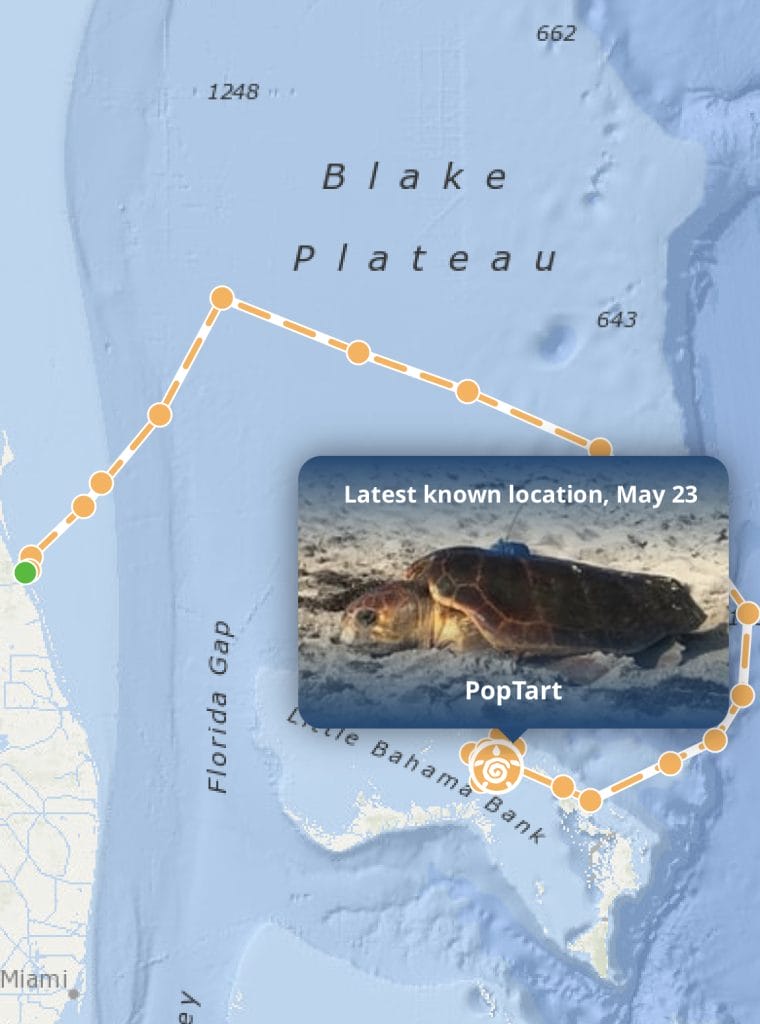
Learn Name
You get to learn your sea turtle’s name, size, age. Also a picture!
Enjoy Stories
Enjoy the story of your sea turtle, where it came from, where is it going?
Follow Me
You get to follow the sea turtle’s journey on an interactive tracking map!
Click Here & Use Coupon Code: THETURTLEHUB20 For A 20% Discount!
It All Depends on What They’re Doing
Here’s the deal: a sea turtle’s oxygen needs change based on activity level.
When they’re swimming around, hunting jellyfish, or dodging predators, their bodies burn through oxygen fast.
In those situations, they need to surface every 20 to 45 minutes to take a breath.
But when they’re sleeping? That’s when things get wild.
Their metabolism slows down like they hit the pause button on life.
Heart rate drops, energy use plummets, and suddenly they can stay down for 4 to 10 hours without coming up for air.
It’s like the difference between running a marathon and taking a nap—one burns way more fuel.
This Hilarious Turtle Book Might Know Your Pet Better Than You Do

Let’s be real—most turtle care guides feel like reading a textbook written by a sleep-deprived zookeeper.
This one’s not that.
Told from the snarky point of view of a grumpy, judgmental turtle, 21 Turtle Truths You’ll Never Read in a Care Guide is packed with sarcasm, sass, and surprisingly useful insights.
And hey—you don’t have to commit to the whole thing just yet.
Grab 2 free truths from the ebook and get a taste of what your turtle really thinks about your setup, your food choices, and that weird plastic palm tree.
It’s funny, it’s honest, and if you’ve ever owned a turtle who glares at you like you’re the problem—you’ll feel seen.
The Science Behind the Super Breath-Hold
Sea turtles have lungs just like us, but theirs come with some seriously cool upgrades.
Oxygen Storage: They Stock Up
Sea turtles have high concentrations of hemoglobin in their blood and myoglobin in their muscles.
Translation? They can store a ton of oxygen before diving.
Leatherbacks—the giants of the sea turtle world—are especially good at this.
Bradycardia: Their Heart Goes Chill Mode
When a sea turtle dives, its heart rate drops like a stone.
One study found a leatherback’s heart went from 27 beats per minute at the surface to just 3.6 beats per minute during a 34-minute dive.
Some turtles? Their hearts beat once every nine minutes while sleeping.
That’s not a typo—one heartbeat. Nine minutes.
Your heart’s probably racing just reading that.
Low Metabolic Rate: Natural Energy Savers
Most sea turtles are cold-blooded, which means their metabolism is already about 10% of ours.
Cold water slows them down even more, letting them stretch their breath-holding time to absurd lengths.
Hypoxia Tolerance: They Can Handle Low Oxygen
Here’s where it gets really cool.
Sea turtles’ brains are adapted to survive with way less oxygen than ours.
They can go for hours without oxygen before suffering damage that would kill a human in minutes.
Scientists are actually studying this to figure out how it might help stroke victims.
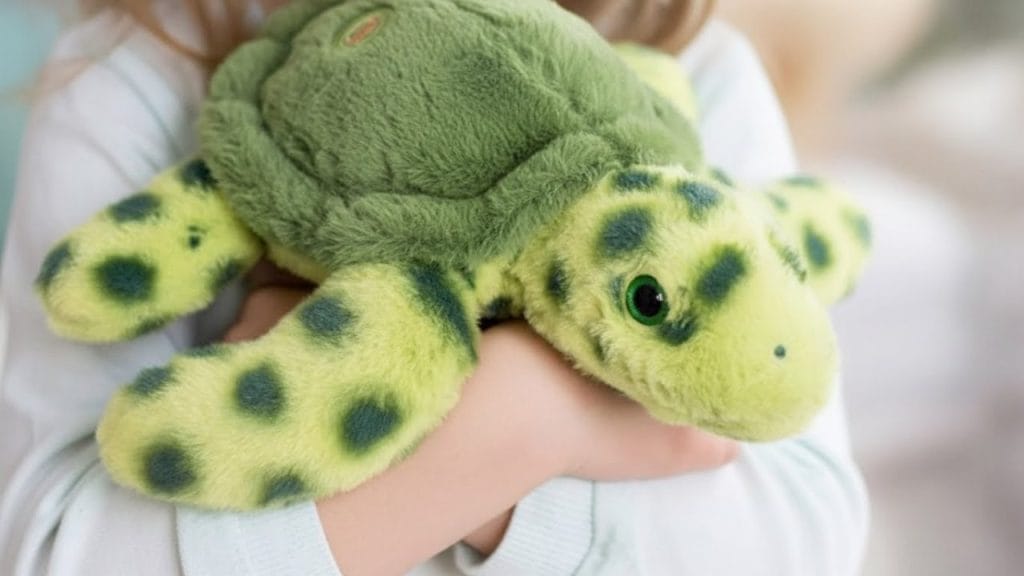
Snuggle a Plush. Track a Turtle.
🧸 + 🌊 = 🐢 A toy that connects you to real sea turtles in the wild.
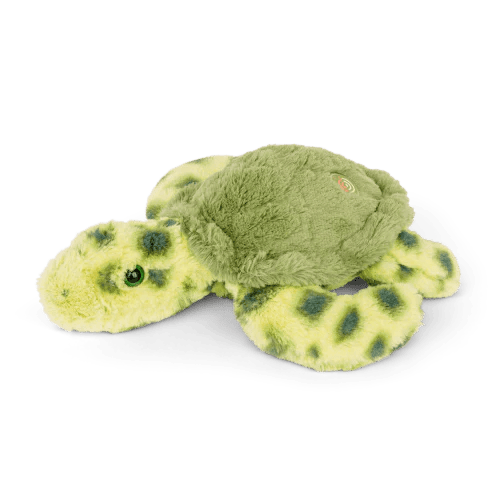

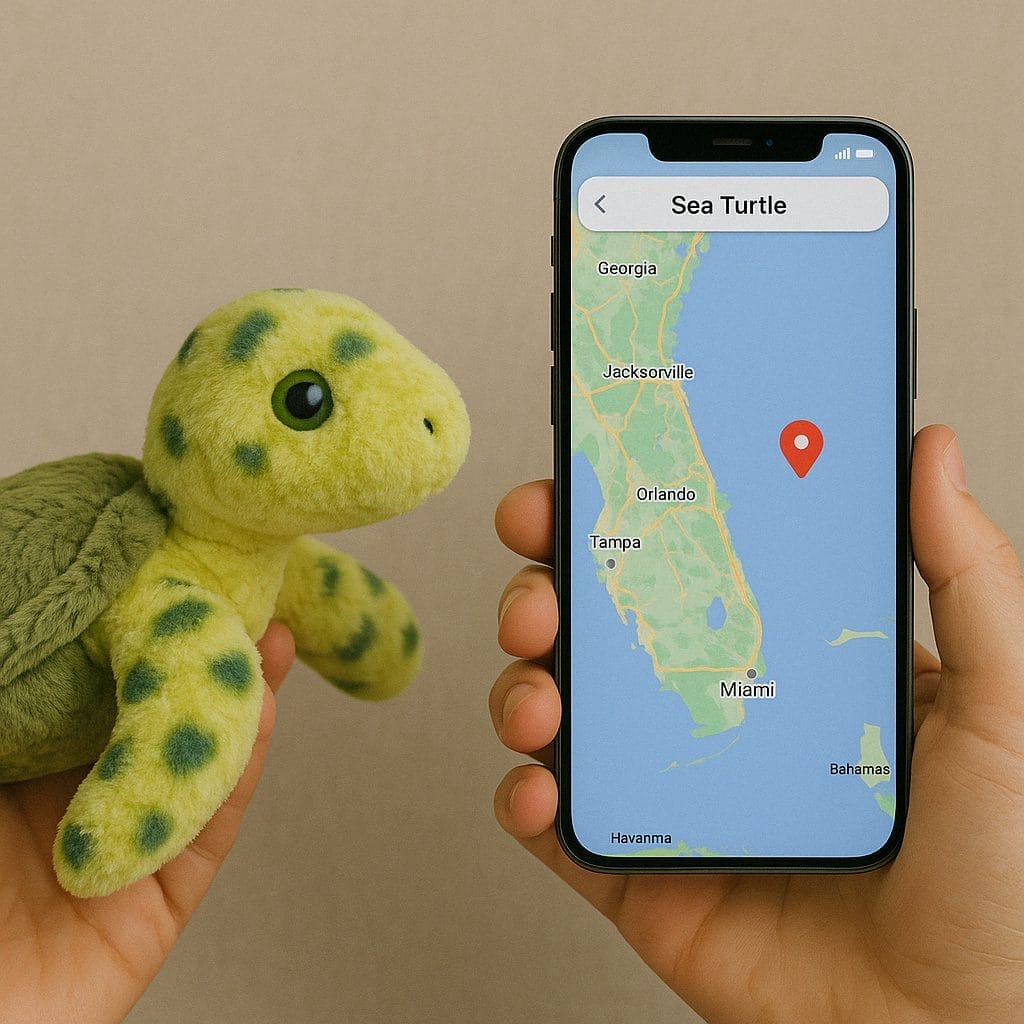
Meet Your Turtle
Scan the tag to meet your real sea turtle. Learn its name, species, and see a real photo!
Follow the Journey
Watch your turtle swim across the ocean using the 3D tracking map. It’s like a sea adventure in your pocket.
Support Wildlife
Every plush supports turtle conservation efforts through the Sea Turtle Conservancy.
Click Here & Use Coupon Code: THETURTLEHUB20 For A 20% Discount! (Your hug helps a turtle.)
How Long Each Species Can Hold Its Breath
Not all sea turtles are created equal when it comes to breath-holding.
| Species | Active Diving | Resting/Sleeping |
|---|---|---|
| Leatherback | 30–45 minutes | Up to 7 hours |
| Green Sea Turtle | 4–7 minutes (typical) | Up to 5 hours |
| Loggerhead | 20 minutes | 7+ hours (record: 10+ hours) |
| Hawksbill | 15–30 minutes | Several hours |
| Olive Ridley | ~30 minutes | ~2 hours |
| Kemp’s Ridley | 20–30 minutes | Several hours |
| Flatback | 10–20 minutes | Not well documented |
Leatherbacks: The Deep-Diving Giants
Leatherbacks are the champs here.
They’re the biggest sea turtles on the planet, weighing up to 2,000 pounds, and they can dive deeper than 3,000 feet.
While hunting jellyfish in the deep, they hold their breath for 30 to 45 minutes.
When resting, they can push it to 7 hours.
Green Sea Turtles: The Chill Sleepers
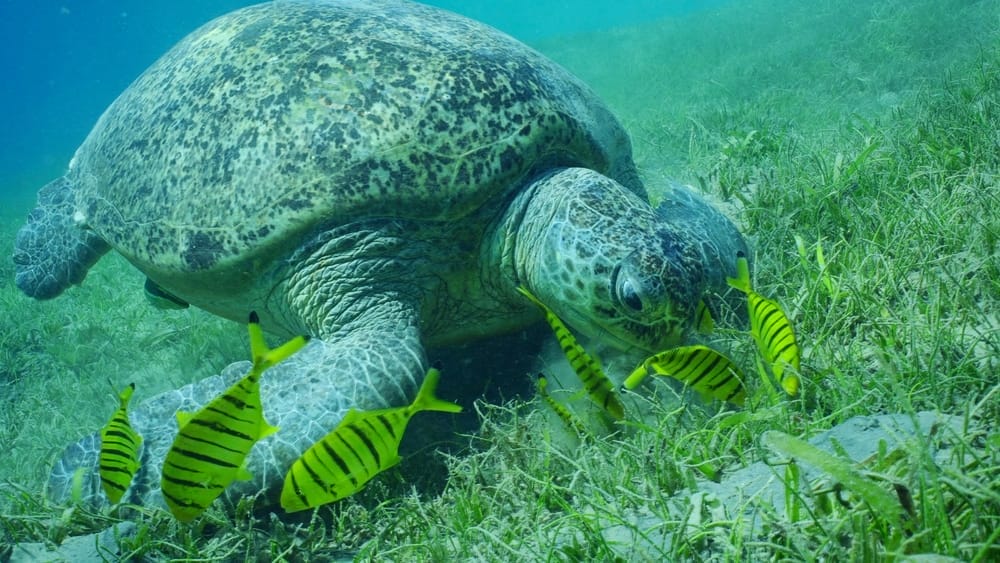
Green sea turtles are herbivores as adults, munching on seagrass and algae.
They’re not speed demons, so they don’t burn oxygen as fast.
When resting, they can stay under for up to 5 hours by slowing their heart rate to one beat every nine minutes.
That’s some next-level relaxation.
Loggerheads: The Record Breakers
Loggerheads are built tough, with powerful jaws for crushing crabs and shellfish.
They typically hold their breath for about 20 minutes while foraging.
But when they’re sleeping or overwintering in cold water, they’ve been recorded staying down for over 10 hours.
One loggerhead in Greece stayed submerged for 7 consecutive hours during winter.
Olive Ridleys: The Social Divers
Olive Ridleys are smaller turtles known for their mass nesting events called “arribadas.”
They can hold their breath for about 30 minutes while active and around 2 hours while resting.
Not the longest, but still way better than us.
How Do Sea Turtles Actually Breathe?
Let’s clear this up right now: sea turtles cannot breathe underwater.
They have lungs, not gills.
When they need air, they swim to the surface and take a breath through their nostrils.
Their lungs sit under their shell, tucked beneath the carapace and vertebrae.
Because of their heavy shells, they can’t expand their ribs like we do.
Instead, they use their shoulder and pelvic muscles to pump air in and out.
You’ll actually see them “rock” their shoulders when they breathe—it looks kind of like a shrug.
Cold Water Changes Everything
Temperature plays a huge role in how long sea turtles can hold their breath.
In colder water, their metabolism slows down even more.
This means they use less oxygen, which lets them stay underwater longer.
Back in the 1970s, scientists learned from Mexican fishermen and the Seri indigenous people about green turtles that seemed to hibernate underwater for months in the Gulf of California during winter.
Turtles dredged up from Port Canaveral in Florida had shells so stained, it looked like they’d been buried in mud for days or even weeks.
Wild stuff.
But Here’s the Dark Side: Sea Turtles Can Drown
Yeah, you read that right.
Even though sea turtles are breath-holding pros, they can absolutely drown.
And it happens more often than you’d think.
Fishing Nets: The Silent Killer
One of the biggest killers of sea turtles is fishing gear—especially ghost nets (abandoned nets floating in the ocean).
When a turtle gets tangled in a net, panic sets in.
They thrash around trying to escape, which burns through their oxygen supply in minutes.
Even though they can hold their breath for hours when calm, a stressed turtle uses up all its stored oxygen way faster.
If they can’t reach the surface in time, they drown.
It’s estimated that 4,600 sea turtles die every year in U.S. waters alone from fishing nets and hooks.
Mating Can Be Deadly Too
Here’s something most people don’t know: sea turtles can drown during mating.
Males mount females from behind and hold on for several hours.
The female has to carry the weight of her partner the entire time, and it gets intense.
If the couple can’t make it to the surface for air in time, they can drown.
Cases of drowning during courtship are documented but not super common—just another reminder that life in the ocean is rough.
Getting Stuck: Rocks, Reefs, and Bad Luck
Sometimes turtles just get stuck—wedged between rocks, under coral, or in tight spaces.
When that happens, even the best breath-holder in the ocean is in trouble.
How Scientists Study This Stuff
Researchers use some pretty cool tech to figure out how long sea turtles can hold their breath.
Time-depth recorders attached to turtles track how long they stay underwater and how deep they go.
Satellite tags let scientists follow turtles across oceans and see their dive patterns in real time.
Lab studies measure heart rates, oxygen levels, and metabolic changes during dives.
All this research helps with conservation efforts—especially figuring out how to reduce turtle deaths from fishing gear.
Why This Matters for Conservation
Understanding how long sea turtles can hold their breath isn’t just cool trivia—it’s critical for saving lives.
Back in the day, when turtle excluder devices (TEDs) were being developed for shrimp nets, some fishermen argued they weren’t needed.
Their logic? Shrimp net tow times were only 30 minutes, and turtles could hold their breath for hours, so the nets couldn’t be killing them.
But here’s what they missed: a turtle trapped in a net isn’t calm.
It’s panicking, thrashing, and burning through oxygen fast.
A turtle that can chill underwater for 7 hours will drown in a net in minutes.
TEDs are now required in many places, and they’ve saved countless turtles.
Fun Facts That’ll Blow Your Mind
Here are some bonus facts that make sea turtles even cooler:
- Some freshwater turtles can breathe through their butts (yes, really—it’s called cloacal respiration).
- Sea turtles have been around for over 100 million years—they were here with the dinosaurs.
- The oldest known sea turtle is estimated to have lived for 400 years (though this isn’t officially documented).
- Leatherbacks can dive over 3,000 feet deep—that’s deeper than most submarines go.
- When diving, some turtles’ hearts beat as low as 1 beat per minute.
So, How Long Can A Sea Turtle Hold Its Breath?
Let’s wrap this up.
When sea turtles are actively swimming, hunting, or mating, they need to surface every 20 to 45 minutes for air.
When they’re resting or sleeping, that extends to 4 to 7 hours—and in extreme cases, over 10 hours.
The key factors are:
- Activity level – The more they move, the faster they burn oxygen.
- Water temperature – Cold water slows their metabolism and lets them stay down longer.
- Species – Leatherbacks and loggerheads are the breath-holding champs.
- Stress – A panicked turtle in a net can drown in minutes.
Sea turtles are incredible survivors, adapted to life in the ocean over millions of years.
But they’re not invincible.
Fishing gear, pollution, habitat loss, and climate change are pushing them to the brink.
The more we understand about how they breathe, dive, and survive, the better we can protect them.
So next time you see a sea turtle pop its head above water, just remember—it might’ve been holding its breath longer than you’ve been awake today.
And that’s pretty damn cool.

About Author
Muntaseer Rahman started keeping pet turtles back in 2013. He also owns the largest Turtle & Tortoise Facebook community in Bangladesh. These days he is mostly active on Facebook.