Do Turtles Bite Humans? Bite Force, Safety & Prevention

This post was created with help from AI tools and carefully reviewed by a human (Muntaseer Rahman). For more on how we use AI on this site, check out our Editorial Policy.
Yes, turtles can and do bite. Most turtles will bite if they feel threatened, scared, or mistake your fingers for food. However, the severity of the bite depends heavily on the species and size of the turtle.
The good news? Most pet turtles are pretty chill and won’t bite unless you mishandle them or stress them out. Wild turtles are a different story though.
In this article, you’ll learn exactly when turtles bite, how hard they bite, what to do if it happens, and how to prevent getting bitten in the first place.
Quick Answer: Everything You Need to Know About Turtle Bites
- Yes, all turtles can bite, but most species are docile and only bite when threatened
- Small pet turtles (like sliders) rarely break skin, while snapping turtles can cause serious injuries
- Turtles don’t have teeth, but their sharp beaks can cut through skin and even bone
- Always wash bites thoroughly with soap and water – turtles carry Salmonella bacteria
- Most bites happen during hand-feeding or when the turtle mistakes fingers for food
Why Do Turtles Bite
Turtles aren’t naturally aggressive. But they have a few solid reasons for biting.
The most common reason is self-defense. When a turtle feels threatened or scared, biting is one of its few defense options. Wild turtles bite way more often than pet turtles because they’re not used to humans.
Here’s the thing though – turtles are opportunistic eaters. They’ll try to taste pretty much anything that looks like it might be food. Your wiggling fingers? They can look a lot like worms or small fish to a hungry turtle.
Sometimes pet turtles bite during feeding time completely by accident. They’re not trying to hurt you – they just got a little too excited and grabbed your finger instead of the pellet you were offering.
Stress is another big trigger. Moving to a new tank, being handled too much, or living in cramped conditions can make turtles defensive. New turtles are especially nippy until they get used to you.
Male turtles can also get territorial during breeding season. They might bite to establish dominance, even with their owners.

This Hilarious Turtle Book Might Know Your Pet Better Than You Do
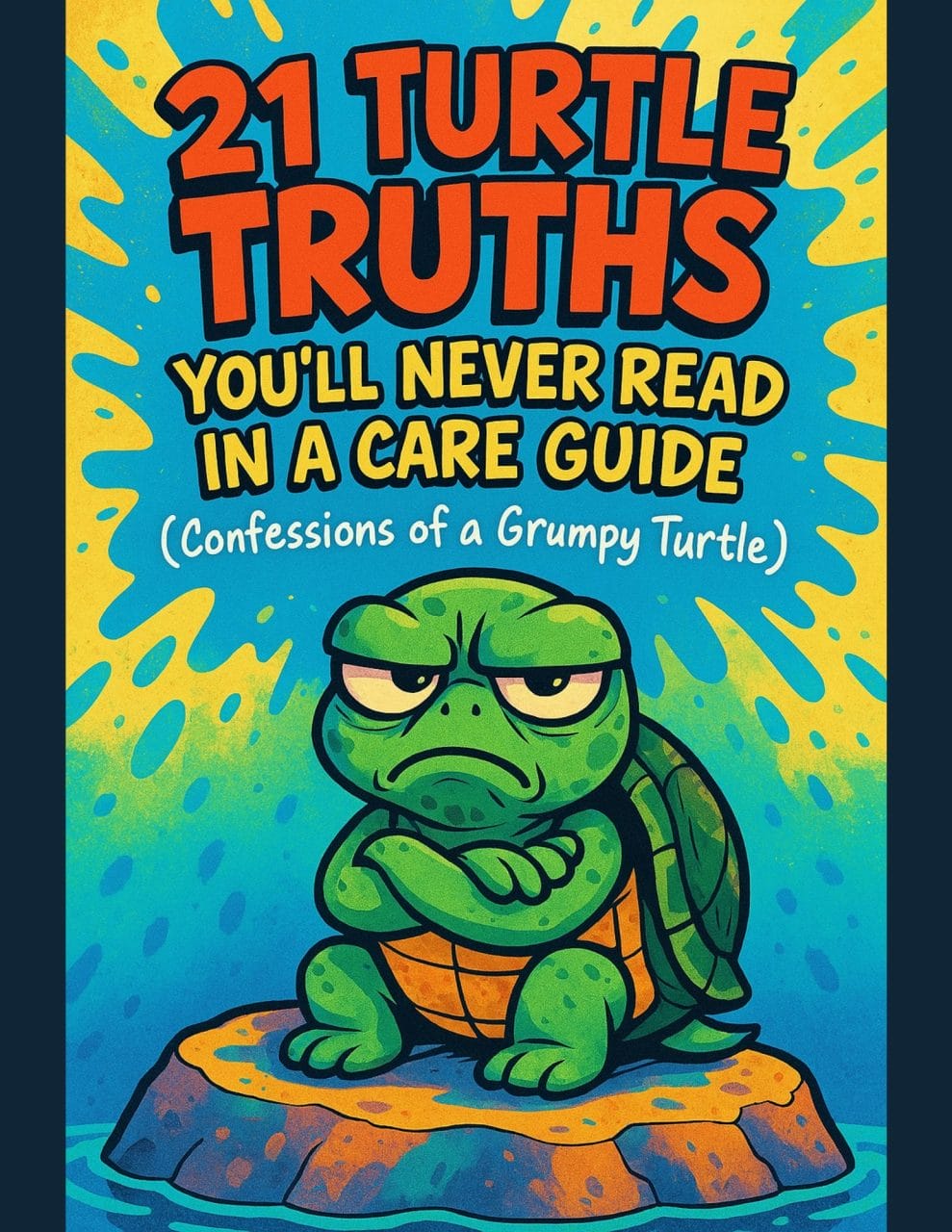
Let’s be real—most turtle care guides feel like reading a textbook written by a sleep-deprived zookeeper.
This one’s not that.
Told from the snarky point of view of a grumpy, judgmental turtle, 21 Turtle Truths You’ll Never Read in a Care Guide is packed with sarcasm, sass, and surprisingly useful insights.
And hey—you don’t have to commit to the whole thing just yet.
Grab 2 free truths from the ebook and get a taste of what your turtle really thinks about your setup, your food choices, and that weird plastic palm tree.
It’s funny, it’s honest, and if you’ve ever owned a turtle who glares at you like you’re the problem—you’ll feel seen.
Which Turtle Species Are Most Likely to Bite
| Species | Bite Risk | Bite Force | Pain Level | Can Break Skin? | Danger Rating |
|---|---|---|---|---|---|
| Alligator Snapping Turtle | High (on land) | Up to ~1,000 PSI / 1,872 N | Severe — can amputate fingers | Yes — can crush bone | 10/10 |
| Common Snapping Turtle | High (on land) | 208-226 N (up to 564 N) | Very painful, deep lacerations | Yes — easily | 8/10 |
| Softshell Turtle | Medium-High | Moderate but sharp | Sharp, painful cut | Yes — long neck makes it hard to avoid | 6/10 |
| Red Eared Slider | Low | Low | Pinch, mild sting | Rarely — only large adults | 2/10 |
| Map Turtle | Low | Low | Mild pinch | Unlikely — females slightly stronger | 2/10 |
| Musk Turtle (Stinkpot) | Medium | Low-Moderate | Sharp nip, draws blood | Yes — small but sharp jaws | 3/10 |
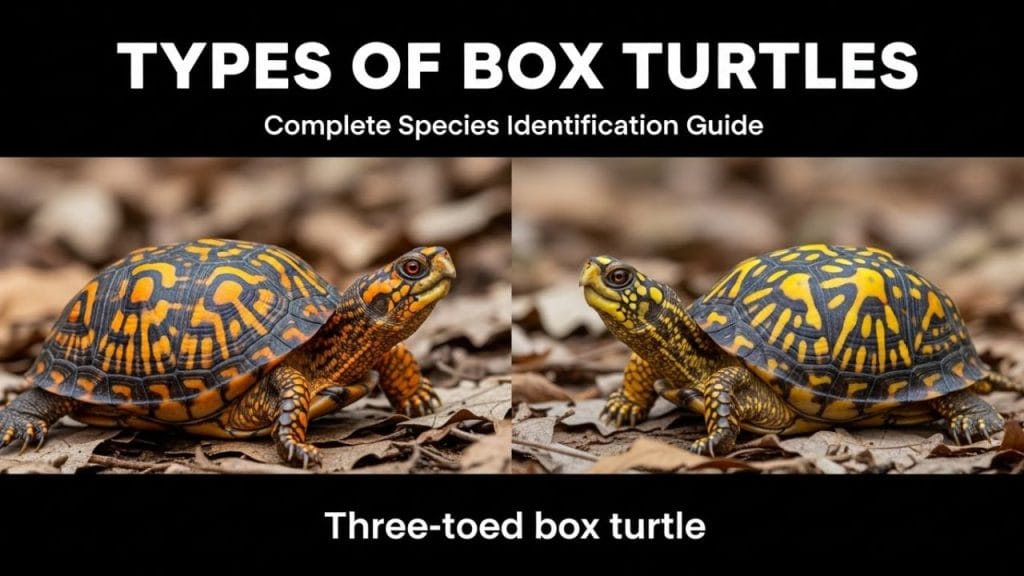
| Box Turtle | Very Low | Very Low | Barely noticeable | Almost never | 1/10 |
| Painted Turtle | Low | Low | Light pinch | Rarely | 2/10 |
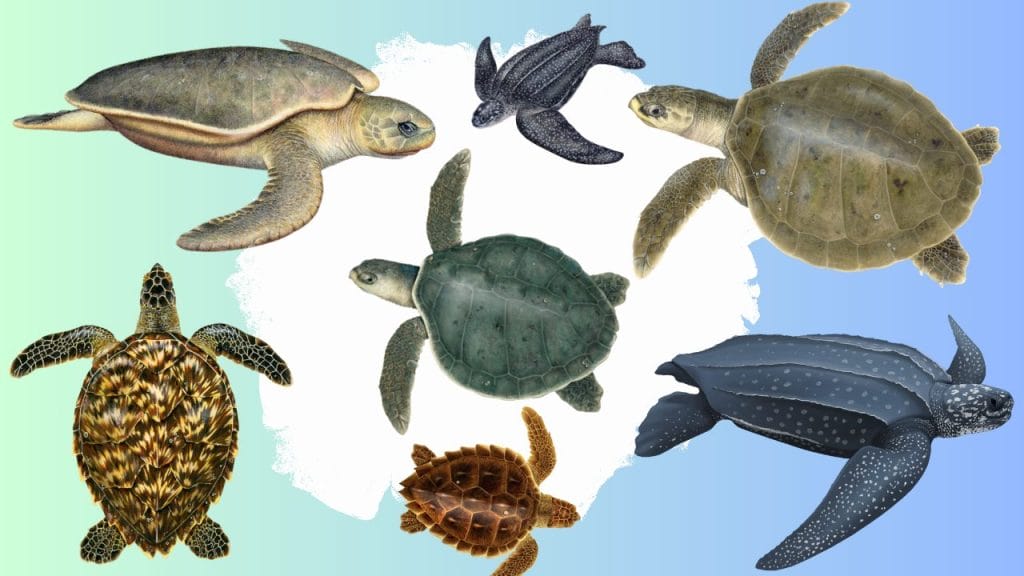
| Sea Turtle | Very Low (wild only) | High — strong beaks for crushing shells | Can be severe if provoked | Yes — but encounters are extremely rare | 7/10 (if provoked) |
Tortoises are generally peaceful too. They might do a “test bite” if they think your toes are a tasty snack, but it’s never aggressive.
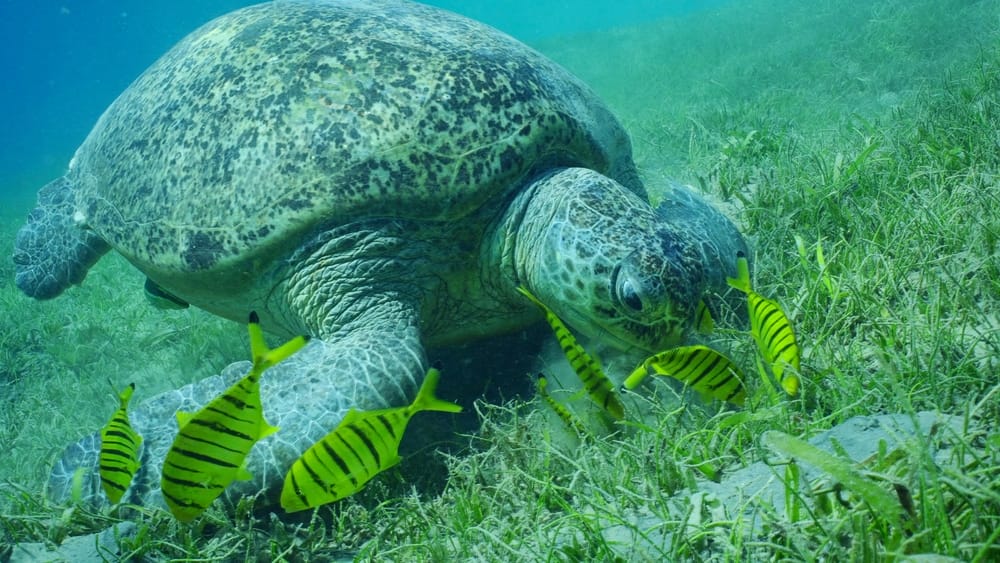
A quick note on sea turtles: you’re unlikely to ever get bitten by one unless you’re harassing it in the water. Their beaks are built for crushing jellyfish and shellfish, so they pack serious power.
But they’re wild, protected animals — touching them is illegal in most countries. Just admire them from a distance.
If you’re curious about the worst-case scenario, we have a deep dive on whether a snapping turtle can actually bite a finger off — including documented medical cases.
How Hard Can a Turtle Bite
This depends entirely on the species and size of the turtle.
Small pet turtles usually can’t break your skin. A baby red-eared slider might give you a little nip that feels like a pinch. It’ll startle you more than hurt you.
Adult aquatic turtles like sliders and painted turtles can bite hard enough to break skin and cause bleeding. It’s not fun, but it’s not dangerous either (more on infection risks later).
Medium-sized turtles like box turtles and most cooters have enough jaw strength to cause a shallow cut and some bruising.
Now let’s talk about the serious biters.
Common snapping turtles can bite hard enough to cause deep lacerations, heavy bleeding, and permanent scarring.
A 2023 study recorded their bite force ranging from 62 to 564 Newtons. While no proven cases of finger amputation exist for common snappers specifically, their sharp beaks can absolutely slice through skin and damage tissue badly enough to need stitches.
Alligator snapping turtles can bite through wooden broomstick handles in a single snap.
A medically documented case published in Wilderness & Environmental Medicine (Johnson & Nielsen, 2016) confirmed a near-total finger amputation in a 15-year-old boy bitten by an alligator snapper.
Their sharp beak combined with massive jaw muscles means they can cause devastating injuries if they get a good grip.
Here’s some perspective: humans can bite with 1,300 Newtons of force using our molars. Snapping turtles max out around 210 Newtons. But here’s the catch – they concentrate all that force into a small, sharp beak that acts like a pair of scissors.
That concentrated force is what makes turtle bites so dangerous, even when the raw power isn’t as impressive as other animals.
What Does a Turtle Bite Feel Like
I’ve talked to plenty of turtle owners who’ve been bitten, and here’s what they report.
A small turtle bite feels like a sharp pinch. It’s more surprising than painful. Most people say the shock of being bitten is worse than the actual pain.
Medium turtle bites hurt like any other cut. You’ll definitely feel it, might bleed a little, and it’ll sting for a while. But it’s manageable.
Snapping turtle bites are a whole different ballgame. People describe them as excruciating – like getting your finger slammed in a car door, except the door doesn’t let go.
The worst part about turtle bites isn’t always the initial pain. It’s that they tend to hold on. Turtles don’t just bite and release – they clamp down and stay clamped.
If you’ve ever been bitten by a turtle, you know that trying to pull away only makes it worse. The turtle just bites down harder.
Do Turtles Bite in Water vs on Land
This is actually super important to understand.
Turtles behave completely differently in water versus on land. In water, most turtles (even snapping turtles) are docile and will swim away from humans. They’re comfortable in water, so they don’t feel threatened.
People swim in ponds with snapping turtles all the time and never get bitten. The turtle just wants to avoid you as much as you want to avoid it.
On land, turtles get defensive. They can’t move fast enough to escape, and they can’t retreat into deep water to hide. So biting becomes their main defense.
Female turtles are especially aggressive when they’re out of water during nesting season. They’re protecting their eggs and will bite if you get too close.
Snapping turtles on land will literally stand their ground. They’ll open their mouths wide, hiss, and lunge at anything that gets too close.
So here’s the rule: If you see a turtle in water, leave it alone and it’ll leave you alone. If you see one on land, give it plenty of space.

Can Baby Turtles Bite
Yes, but it’s basically harmless.
Baby turtles have the instinct to bite, but they don’t have the strength to hurt you. A hatchling might try to bite your finger, but you’ll barely feel it.
Even baby snapping turtles aren’t that dangerous. They’re aggressive little things and will definitely try to bite you, but they’re so small it just feels like a pinch.
The exception is if you let a baby turtle bite you on sensitive skin. A baby snapper might be able to break the skin on your fingertip or earlobe.
But honestly, baby turtle bites are more cute than scary. The turtle looks all tough with its mouth wide open, then it bites you and it’s like “that’s it?”
Just wash your hands after handling baby turtles. They still carry Salmonella even if their bites don’t hurt.
What to Do If a Turtle Bites You
First things first: Don’t panic and don’t yank your hand away.
Pulling away will just make the turtle bite harder and cause more damage. You need to stay calm (easier said than done, I know).
If the turtle is small, try gently blowing on its face. Sometimes this surprises them enough to let go.
For larger turtles, the best trick is to submerge the turtle in water if possible. Turtles naturally open their mouths underwater to breathe, and they’ll usually release you.
Never try to pry a turtle’s jaws open. You’ll hurt yourself, hurt the turtle, and probably make the bite worse.
If it’s a snapping turtle that won’t let go, you might need to wait it out. I know that sounds awful, but yanking could cause serious tissue damage.
Once the turtle releases:
- Rinse the wound immediately under running water for several minutes
- Wash thoroughly with soap and water
- Apply pressure with a clean cloth if it’s bleeding
- Use antibiotic ointment once the bleeding stops
- Cover with a bandage
For minor bites that don’t break skin, just wash with soap and water and you’re good.
When to See a Doctor After a Turtle Bite
Most turtle bites don’t require medical attention. But here are the situations where you need professional help:
Go to the ER immediately if:
- The wound is bleeding heavily and won’t stop
- You can see bone, tendon, or deep tissue
- The turtle bit off a piece of finger or toe
- Blood is spurting or gushing from the wound
- The bite is on your face, neck, or near your eyes
Call your doctor within 24 hours if:
- The bite broke skin and you can’t remember your last tetanus shot
- You’re pregnant, elderly, or have a weakened immune system
- The bite is deep or wide
Watch for signs of infection over the next few days:
- Increasing redness around the bite
- Swelling that gets worse instead of better
- Warmth around the wound
- Red streaks spreading from the bite
- Pus or bad-smelling discharge
- Fever
Turtle bites have a high risk of infection because turtles carry a ton of bacteria in their mouths. Salmonella is the big one, but they can also carry other nasty bugs.
If you develop diarrhea, fever, or stomach cramps within a few days of being bitten, you might have Salmonella poisoning. Get to a doctor.
Kids under 5, adults over 65, and anyone with a compromised immune system should always see a doctor after any bite that breaks skin.

How to Prevent Turtle Bites
Most turtle bites are totally avoidable if you follow some basic rules.
During Feeding Time
Never hand-feed your turtle. Use feeding tongs or just drop the food in the water. Turtles have terrible aim and will absolutely mistake your fingers for food.
If you must hand-feed, make sure your fingers smell like nothing but fingers. Turtles have a great sense of smell, and if your hand smells like their food, you’re asking for trouble.
Wash your hands before handling turtles, especially if you’ve been preparing their food.
When Handling Your Turtle
Learn to read your turtle’s body language. If its mouth is open, head is extended, or it’s hissing, it’s telling you to back off.
Support the turtle properly when picking it up. Hold it by the sides of the shell, not from the front where it can reach you.
Never hold a turtle close to your face. I don’t care how cute it is – that’s how people end up with facial injuries.
Don’t grab turtles from behind or surprise them. Approach slowly so they can see you coming.
Limit handling, especially with new turtles. They need time to get comfortable with you.
Snapping turtles require an entirely different handling approach — if you ever need to move one, follow our step-by-step guide on how to safely pick up a snapping turtle.
General Safety Rules
Keep your turtle’s tank big enough. Cramped, stressed turtles are bitey turtles.
Don’t house multiple turtles together unless you know they get along. Turtles will bite each other when fighting for dominance or food.
Never stick your fingers near a snapping turtle. Just don’t. There’s no safe way to handle these guys if you’re not experienced.
If you see a wild turtle, leave it alone. Only move it if it’s in danger (like on a road), and only by picking it up from the back of the shell.
Common Mistakes That Lead to Turtle Bites
Here are the things people do that basically guarantee they’ll get bitten:
- Walking barefoot near turtles. Your toes look like worms or caterpillars to a turtle. Wear shoes.
- Putting fingers in the tank during cleaning. Turtles are territorial about their space. Use tools, not your hands.
- Handling turtles too much. You might love your turtle, but it doesn’t love being picked up. Less is more.
- Trying to “play” with turtles. Turtles aren’t dogs. They don’t want to play. They want to be left alone.
- Ignoring warning signs. If your turtle is acting agitated, believe it and back off.
- Assuming all turtles are friendly. Even the calmest species can have an aggressive individual. Never assume.
- Getting cocky. “I’ve handled my turtle a thousand times without getting bitten” is what people say right before they get bitten.
Do Turtles Bite Each Other
Oh yeah, turtles definitely bite each other.
Male turtles will bite other males to establish dominance. They’ll go after each other’s heads, necks, and limbs.
During breeding season, males bite females on the neck and shell. It’s actually part of their mating ritual (romantic, right?).
Turtles will also bite each other over food. If you have multiple turtles in one tank and you don’t spread out the food, somebody’s getting bitten.
Some species are more aggressive than others about tankmates. Red eared sliders are especially notorious for biting each other.
Males bite other males over territory, males bite females during mating attempts, and pretty much everyone bites everyone over food.
If you keep multiple red eared sliders in one tank, biting is almost guaranteed unless the tank is large enough and food is spread out.
If your turtles are biting each other enough to cause injuries, you need to separate them. Those wounds can get infected and kill the turtle.
Signs your turtles are fighting too much:
- Missing claws or toenails
- Chunks missing from the shell
- Bloody wounds on limbs or neck
- One turtle constantly hiding or avoiding the other
- Scarring on the shell or skin
The solution is usually simple: bigger tank or separate tanks. Turtles need their space.
Turtle-on-turtle aggression is one of the biggest risks of shared enclosures — if you’re considering it, read our guide on how to keep two turtles in one tank without fights.
The Salmonella Risk from Turtle Bites
Here’s something most people don’t think about: infection risk.
All turtles carry Salmonella bacteria. Even healthy-looking turtles that seem totally clean are covered in it. The bacteria live in their digestive tract and constantly shed in their poop.
When a turtle bites you, it’s basically injecting bacteria directly into your wound. That’s way worse than just touching a turtle and forgetting to wash your hands.
Beyond Salmonella, turtles can carry Aeromonas hydrophila (a bacteria common in aquatic environments that causes nasty wound infections) and certain Mycobacterium species.
There’s also a tetanus risk with any bite that breaks the skin, so make sure your tetanus shot is up to date. If it’s been more than 5 years, your doctor will likely recommend a booster.
Salmonella infection symptoms include:
- Diarrhea
- Fever
- Stomach cramps
- Nausea and vomiting
Symptoms usually show up 6 hours to 6 days after exposure. Most people recover without treatment in 4-7 days.
But for kids under 5, elderly people, pregnant women, and anyone with a weak immune system, Salmonella can be serious or even deadly.
There have been multiple outbreaks of Salmonella linked to pet turtles, especially small turtles. That’s actually why it’s illegal to sell turtles with shells under 4 inches long in the US.
This is why cleaning any turtle bite is so crucial, even if it seems minor. Wash thoroughly with soap and water, use antibiotic ointment, and watch for signs of infection.
Myths About Turtle Bites
Let’s clear up some nonsense you might have heard.
Myth: Turtles won’t let go until it thunders. Total BS. Turtles let go when they feel safe to let go, usually when you submerge them in water.
Myth: All snapping turtles can bite off fingers. Only alligator snapping turtles have medically documented cases of finger amputation. Common snappers can cause deep wounds, heavy bleeding, and permanent scarring, but there are no proven cases of them actually severing a finger. Still, you definitely don’t want to test that theory.
Myth: Turtles have poisonous bites. Nope. Turtles aren’t venomous. The danger comes from bacteria and mechanical damage, not venom.
Myth: You should pour salt on a turtle to make it let go. Don’t do this. It’s cruel and doesn’t work.
Myth: Turtles bite because they’re mean. Turtles bite because they’re scared or hungry. They’re not malicious.
Myth: You can train a turtle not to bite. Turtles aren’t trainable like dogs. You can reduce the risk through proper handling, but you can’t train the instinct away.
Frequently Asked Questions
Can a turtle bite break bone?
Yes, large snapping turtles can bite with enough force to break bones. Common snapping turtles have been documented breaking fingers, and alligator snapping turtles can bite through much more than that. However, most pet turtle species don’t have the bite force to break bones.
Do turtle bites hurt more than dog bites?
It depends on the species. Small turtle bites hurt less than dog bites, but large snapping turtle bites can be just as painful or worse. The main difference is that turtles tend to hold on longer, and their beaks cause crushing injuries rather than tearing injuries.
Can you get rabies from a turtle bite?
No, reptiles cannot carry rabies. The rabies virus only affects mammals. However, turtle bites can still cause serious infections from bacteria like Salmonella, so they should always be cleaned thoroughly.
Why does my pet turtle try to bite me during feeding?
Your turtle probably isn’t trying to bite you specifically – it’s just excited about food and has terrible aim. Turtles have poor eyesight and can easily mistake your fingers for food, especially if your hands smell like their meal. Use feeding tongs to avoid this problem.
Will my turtle die if it bites me?
No, biting you won’t hurt your turtle at all. If anything, you might hurt the turtle by yanking your hand away. The turtle is just defending itself or making an honest mistake. Just stay calm and let it release on its own.
Conclusion
Turtles can bite, but most species are docile and only do it when stressed or scared.
The key takeaway? Respect your turtle’s space. Don’t handle them too much, never hand-feed, and learn to read their body language.
If you do get bitten, stay calm and wash the wound thoroughly. Most bites are minor, but always watch for signs of infection.
Turtles make great pets when you understand their boundaries. They’re not cuddly animals, and that’s okay. Give them proper care and space, and bites will be rare.
Just remember: a turtle bite is almost always preventable if you follow the basic safety rules in this article.

About Author
Muntaseer Rahman started keeping pet turtles back in 2013. He also owns the largest Turtle & Tortoise Facebook community in Bangladesh. These days he is mostly active on Facebook.