Can A Snapping Turtle Bite A Finger Off?

This post was created with help from AI tools and carefully reviewed by a human (Muntaseer Rahman). For more on how we use AI on this site, check out our Editorial Policy.
You’re walking along a creek, minding your own business, and you spot a snapping turtle just sitting there on the bank. It looks like a rock with legs.
Harmless, right?
Wrong. Dead wrong.
That thing sitting in the mud has jaws that can generate up to 1,000 psi of bite pressure. For context, a lion clocks in at about 650 psi. A bear sits around 925 psi.
Yeah. That turtle hits harder than both.
So can a snapping turtle actually bite a finger off? Yes, it absolutely can. And it’s not just theory — there’s a medically documented case to prove it.
Let me break the whole thing down.
Common Snapping Turtle vs Alligator Snapping Turtle: Which One Should You Actually Worry About?
Before we get into the gory details, you need to know there are two types of snapping turtles in North America. And they’re very different animals.
Here’s a quick comparison:
| Feature | Common Snapping Turtle | Alligator Snapping Turtle |
|---|---|---|
| Scientific Name | Chelydra serpentina | Macrochelys temminckii |
| Average Weight | 10 – 35 lbs (4.5 – 16 kg) | 50 – 175 lbs (23 – 80 kg) |
| Max Weight | ~75 lbs (34 kg) | ~250 lbs (113 kg) |
| Average Size | 8 – 18 inches | 16 – 26 inches |
| Bite Force (Newtons) | 208 – 226 N (up to 564 N) | 158 – 160 N (up to 1,872 N) |
| Bite Pressure (PSI) | ~200 – 250 PSI | Up to ~1,000 PSI |
| Shell | Smooth | Three spiked ridges |
| Range | SE Canada to Florida, Rockies to East Coast | Southeastern US (Gulf of Mexico drainages) |
| Can Bite A Finger Off? | Unlikely but possible for large adults | Absolutely yes |
Now here’s where it gets confusing. The common snapper actually registers a higher average bite force in Newtons than the alligator snapper.
Wait, what?
Yep. A 2002 study published in the Journal of Evolutionary Biology measured common snappers at 208-226 Newtons versus alligator snappers at just 158 Newtons.
But that doesn’t tell the whole story.
A more recent 2023 study by LaGrange et al. found that bite force scales dramatically with size. Alligator snappers ranged from 8.2 all the way up to 1,872 Newtons depending on the individual. Common snappers ranged from 62 to 564 Newtons.
The alligator snapper wins by a mile when you account for the fact that they grow to be absolute tanks. A 200-pound turtle biting down with a razor-sharp beak creates pressure that’s off the charts.
It’s not just about force. It’s about pressure — force concentrated through that narrow, blade-like beak.
Think of it this way: you could push your palm against a watermelon all day and nothing happens. Push a knife with the same force? It slices right through.
That’s exactly how an alligator snapper’s mouth works.
Both species are formidable predators in their own right — in fact, other turtles are among the many animals that prey on turtles in the wild.

The Real Cases: When Snapping Turtles Actually Bit Fingers Off
This isn’t internet legend. There’s actual medical documentation.
The 15-Year-Old Boy in the Stream
The most well-documented case was published in the Wilderness & Environmental Medicine journal in 2016 by Johnson and Nielsen. It’s literally titled “Traumatic Amputation of Finger From an Alligator Snapping Turtle Bite.”
Here’s what happened: A 15-year-old boy in the Southern United States spotted a large alligator snapping turtle in a stream near his home. The kid described himself as a naturalist, so he knew what species it was. He identified it by the three rows of spikes on the shell.
He decided to lift the turtle out of the water.
Bad move.
The turtle bit down and caused a near-total amputation of his index finger. He was rushed to the emergency room and needed surgery plus aggressive antibiotic treatment.
This case confirmed what Southern folklore had claimed for generations: these turtles can absolutely remove fingers.
The Alabama Bar Bet
This one has been retold across herpetology circles for years. An alligator snapping turtle was placed on a bar counter in Alabama as part of a bet. The challenge? Reach into the turtle’s mouth before it snapped shut.
After some liquid courage, someone took the bet.
He lost two fingers that night.
The thing is, alligator snappers have this hunting strategy where they sit with their mouth wide open, wiggling a worm-shaped appendage on their tongue to lure fish. When something gets close enough — SNAP. The jaws slam shut with terrifying speed.
Put that turtle on a bar table, and it does the exact same thing. Except now it’s not a fish getting lured in. It’s some guy’s hand.
The Louisiana Discovery
A third account comes from Louisiana, where someone cut open a snapping turtle (legal at the time for consumption) and found a human finger in its stomach.
It’s hard to verify every detail of this one, but given the documented evidence from the other cases, it’s far from impossible.
This Hilarious Turtle Book Might Know Your Pet Better Than You Do
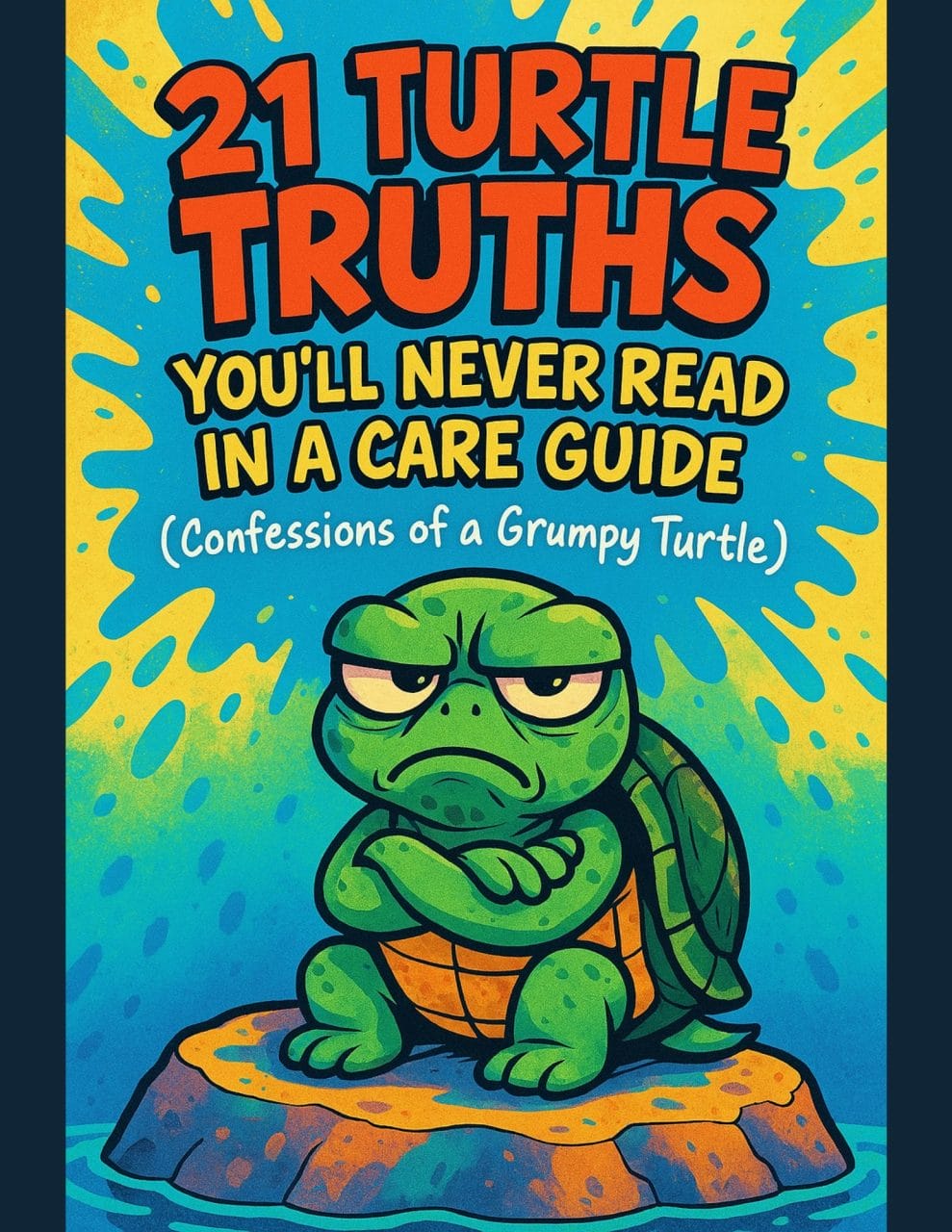
Let’s be real—most turtle care guides feel like reading a textbook written by a sleep-deprived zookeeper.
This one’s not that.
Told from the snarky point of view of a grumpy, judgmental turtle, 21 Turtle Truths You’ll Never Read in a Care Guide is packed with sarcasm, sass, and surprisingly useful insights.
And hey—you don’t have to commit to the whole thing just yet.
Grab 2 free truths from the ebook and get a taste of what your turtle really thinks about your setup, your food choices, and that weird plastic palm tree.
It’s funny, it’s honest, and if you’ve ever owned a turtle who glares at you like you’re the problem—you’ll feel seen.
How Bad Is A Snapping Turtle Bite, Really?
Let’s say the turtle doesn’t take your finger clean off. How bad can it still be?
Pretty bad.
A common snapping turtle can leave deep lacerations that bleed heavily and scar permanently. Their beaks are made of keratin (same stuff as your fingernails) and are sharpened to a razor edge by years of crushing shells, bones, and other hard prey.
An alligator snapper can do all of that plus crush bone.
Here’s what a snapping turtle bite can do:
- Deep cuts and lacerations requiring stitches
- Crushing injuries to tissue and bone
- Permanent scarring or disfigurement
- Amputation of fingers or toes (in severe cases)
- Serious infections from bacteria in their mouth
And they can bite through some wild stuff. Alligator snappers have been filmed crushing pineapples, watermelons, wooden broomstick handles, and even soda cans — all with a single snap.
Snapping turtles sit at the extreme end of the scale, but even common pet turtles can draw blood — our guide on turtle bite force, safety, and prevention covers every species from box turtles to sea turtles.
Do Snapping Turtles Have Teeth?
Nope. Zero teeth.
This is what makes them even more terrifying, honestly. They don’t need teeth. Their beaks work like a pair of industrial shears.
The edges of their jaws are razor-sharp and designed for shearing. Instead of puncturing like teeth, they slice and crush simultaneously. It’s like getting your finger caught between two dull scissors, except those scissors have hundreds of pounds of force behind them.
Baby snapping turtles are born with tiny “egg teeth” that help them break out of their shells. These fall off within the first week or so. After that, it’s all beak.
Can Baby Snapping Turtles Bite Too?
Yes, and don’t let their size fool you.
Baby snapping turtles are only about 1.5 to 2 inches long when they hatch. They look adorable. Almost harmless.
But they come out of the egg ready to snap. Their jaws are already beak-shaped and surprisingly strong for their size.
A baby snapper’s bite won’t take a finger off, obviously. But it can:
- Break the skin and draw blood
- Crack a fingernail
- Leave a painful wound, especially on a child’s hand
The real concern with baby snapper bites is infection, not trauma. Their mouths carry the same bacteria as adults, including Salmonella.
And here’s a fun fact: baby snappers are even more defensive than adults. They haven’t learned that they can retreat into water. Everything is a threat to a baby snapper, and their only defense is that bite.
So if you see a tiny turtle that looks like a mini dinosaur, resist the urge to pick it up. Or at least know how to handle it properly (more on that below).

Why Do Snapping Turtles Bite Humans?
Here’s the thing most people get wrong: snapping turtles are not aggressive.
I know, I know. The name literally says “snapping.” But hear me out.
In water, snapping turtles are basically harmless to humans. They’re calm, they avoid confrontation, and they’d rather swim away than deal with you. Swimmers are not at risk.
The problem happens on land.
Snapping turtles have a tiny plastron (bottom shell) compared to their body size. This means they cannot retract their head and legs into their shell like other turtles. When a box turtle feels threatened, it pulls everything inside and shuts the door. A snapping turtle can’t do that.
Their head just sits there, exposed. Their neck hangs out to one side.
So on land, they feel naked and vulnerable. And their only defense is that jaw. They bite because they’re scared, not because they’re mean.
Here’s when a snapping turtle is most likely to bite:
- You pick it up incorrectly
- You get too close to its face
- You poke it or prod it (why would you?)
- It’s a nesting female on land and feels cornered
- It mistakes your dangling toes for food (rare, but it happens)
Leave a snapping turtle alone in the water, and it’ll leave you alone. Guaranteed.
What To Do If A Snapping Turtle Bites You
If a snapper latches on, your instinct will be to yank your hand away. Don’t do that. Pulling will make the injury way worse because those beak edges will tear through flesh as you pull.
Here’s what to do instead:
Step 1: Stay Calm And Don’t Pull
The turtle is clamped down and it’s not letting go because it’s terrified. If you pull or panic, it’ll bite down harder.
If possible, submerge the turtle in water. Snapping turtles feel safe in water and will usually release their grip once they’re submerged.
If there’s no water nearby, stay still and wait. The turtle will eventually let go on its own. It might take a minute, but fighting it makes everything worse.
Never hurt the turtle to make it release. Hitting or prodding a stressed snapping turtle will only make it clamp down harder. A dead turtle’s jaw can actually lock with more pressure, not less.
Step 2: Treat The Wound Immediately
Once the turtle lets go, get away from it. Then deal with the wound.
- Apply pressure with a clean cloth to stop bleeding
- Wash the wound thoroughly with clean running water and soap for several minutes
- Apply antiseptic cream or ointment
- Cover with a sterile bandage
Step 3: Get Medical Attention
This is not optional for any bite that breaks the skin.
Snapping turtles carry some nasty bacteria in their mouths, including:
- Salmonella — can cause serious gastrointestinal illness
- Aeromonas hydrophila — an opportunistic bacteria from aquatic environments that can cause severe wound infections
- Various other bacteria that can lead to cellulitis, septicemia, or worse
Your doctor will likely:
- Clean the wound more thoroughly
- Prescribe antibiotics as a precaution
- Check your tetanus vaccination status (you may need a booster)
- Assess for bone, tendon, or nerve damage
If the bleeding won’t stop after 10 minutes of firm pressure, or if a finger or toe has been severed, call 911 immediately.
How To Handle A Snapping Turtle Safely
Maybe you need to move a snapper off a road. Maybe you keep one as a pet. Either way, here’s how to not lose a finger.
Small Snapping Turtles (Under 10 lbs)
Place your thumb on the top shell and your fingers underneath on the plastron, between the rear legs. Hold firmly but gently. Keep the head pointed away from you.
Medium to Large Snapping Turtles
Always approach from behind. No sudden movements.
Place one hand on the back of the shell near the rear legs. Place your other hand underneath. Make sure you have a solid grip before lifting.
Keep the turtle low to the ground. If you’re moving it across a road, keep it close to the ground and move quickly. Set it down gently and back away.
What NOT To Do
- Never grab a snapping turtle by the tail. This can seriously injure the turtle’s spine and tail.
- Never approach from the front. Their neck can extend shockingly far and fast.
- Never put your hands near the mouth. Obviously.
- Never pick it up by the sides of the shell. Their neck is flexible enough to reach around and bite you from the side.
Some people use a flat object like a car mat, shovel, or even a sturdy piece of cardboard to scoot the turtle across the road without picking it up at all. That’s honestly the safest option for both you and the turtle.
For a full step-by-step walkthrough with size-specific techniques — from hatchlings to 50-pound adults — see our complete guide on how to pick up a snapping turtle safely.
Can A Snapping Turtle Bite Your Toe Off?
Yes, especially an alligator snapper.
There are fewer documented cases of toe amputations compared to fingers, probably because people aren’t sticking their feet near snapping turtles as often. But the physics are the same. A toe is actually thinner than most fingers, so in theory, it’s even easier.
One account describes a woman who prodded a resting alligator snapper with her flip-flop on a rural roadside. She pulled her foot back just in time, but if she’d been a second slower, that flip-flop wasn’t going to save her toes.
If you’re wading in areas where snapping turtles live, wear water shoes. Dangling bare toes off a dock can look like worms to a snapper below.
Can An Alligator Snapping Turtle Bite Your Arm Off?
Theoretically? Maybe. Practically? Very unlikely.
An alligator snapper’s mouth can’t open wide enough to fit around an adult human arm. Their jaw is designed for precision cutting, not for engulfing large prey.
Could a massive alligator snapper (200+ lbs) cause devastating damage to an arm? Absolutely. Broken bones, severed tendons, massive lacerations — all possible.
But a clean amputation of an entire arm? That’s extremely unlikely based on their jaw anatomy.
Fingers, toes, and maybe a nose (there’s actually been a documented case with a softshell turtle in Malaysia) are the real danger zones.
The Bottom Line
Snapping turtles are incredible animals. They’ve been around for over 90 million years — they survived whatever killed the dinosaurs. They deserve respect, not fear.
But respect means keeping your distance.
An alligator snapping turtle can and has bitten fingers clean off. The medical literature proves it. Common snappers can leave wounds that’ll scar you for life. Even babies pack a painful punch.
The good news? Every single documented bite happened because a human did something dumb. Picking the turtle up wrong. Sticking a hand in its mouth on a bet. Poking it with a flip-flop.
Leave a snapping turtle alone, and it’ll leave you alone. It really is that simple.
If you ever need to move one off a road, use a flat object or grab it properly from behind. Wear gloves if you have them. Keep your hands far from the business end.
And whatever you do, don’t take a bar bet involving one. Trust me. It’s not worth it.

About Author
Muntaseer Rahman started keeping pet turtles back in 2013. He also owns the largest Turtle & Tortoise Facebook community in Bangladesh. These days he is mostly active on Facebook.