Can Turtles Run? (How Fast They Actually Move)
This post was created with help from AI tools and carefully reviewed by a human (Muntaseer Rahman). For more on how we use AI on this site, check out our Editorial Policy.
I watched Sheldon, my painted turtle, spot a piece of shrimp from across the tank.
One second he was lounging on his basking rock like a retired professor.
The next? He launched himself into the water and shot toward that shrimp like his life depended on it.
I stood there thinking: wait, aren’t turtles supposed to be slow?
Yes, turtles can run. But “run” is a relative term here. Most turtles max out at about 0.5 to 1 mph on land. The fastest runners, softshell turtles, can hit around 3 mph in short bursts.
That’s roughly the speed of a brisk human walk.
Not exactly Olympic material. But for an animal carrying a house on its back, it’s actually pretty impressive.
Let me break down what’s really going on with turtle speed.
How Fast Can Turtles Actually Move?
The short answer: it depends on the species, the terrain, and how motivated they are.
Here’s a breakdown of turtle speeds on land:
| Turtle Species | Land Speed |
|---|---|
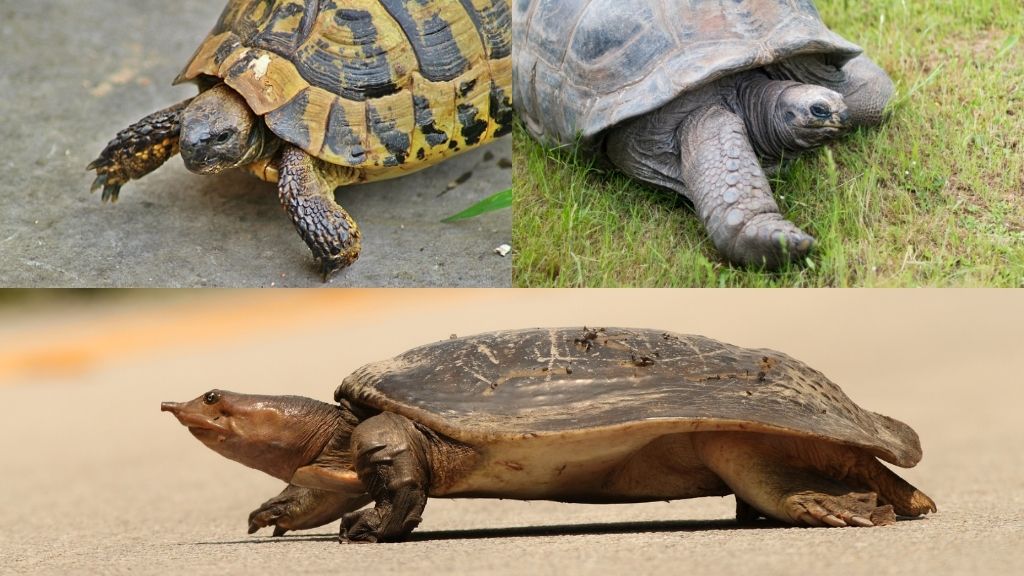
| Softshell turtles | Up to 3 mph |
| Cooters | About 1 mph |
| Wood turtles | 0.2 mph |
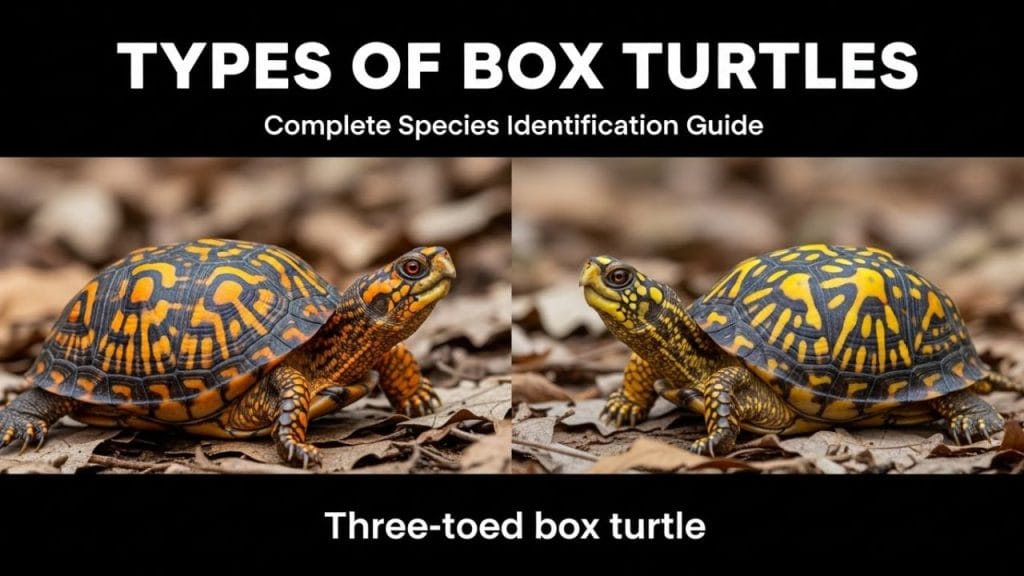
| Box turtles | 0.25 mph |
| Galapagos tortoises | 0.13-0.2 mph |
Softshell turtles are the sprinters of the turtle world.
They can hit 3 mph on land, which doesn’t sound like much until you realize most turtles are moving at a quarter mile per hour.
That makes softshells roughly 12 times faster than a box turtle.
But Wait… They’re Way Faster in Water
Here’s where it gets interesting. Turtles swim 3 to 4 times faster than they walk. I’ve written a complete breakdown of turtle swimming speeds by species if you want the full picture.
That lazy-looking red eared slider in your tank? It can cruise at 10-12 mph underwater.
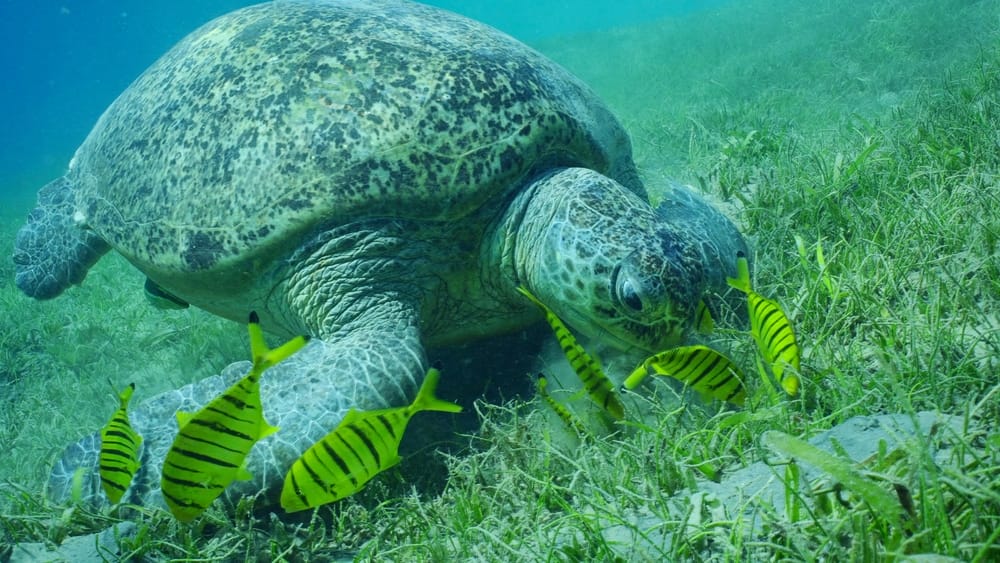
And sea turtles? They’re in a completely different league.
| Sea Turtle Species | Swimming Speed |
|---|---|
| Leatherback | Up to 22 mph |
| Green sea turtle | Up to 20 mph |
| Loggerhead | Up to 15 mph |
The leatherback sea turtle holds the record at 22 mph.
That’s faster than most humans can run.
A frightened leatherback was once clocked at this speed, making it the fastest reptile on the planet at that moment.
This Hilarious Turtle Book Might Know Your Pet Better Than You Do

Let’s be real—most turtle care guides feel like reading a textbook written by a sleep-deprived zookeeper.
This one’s not that.
Told from the snarky point of view of a grumpy, judgmental turtle, 21 Turtle Truths You’ll Never Read in a Care Guide is packed with sarcasm, sass, and surprisingly useful insights.
And hey—you don’t have to commit to the whole thing just yet.
Grab 2 free truths from the ebook and get a taste of what your turtle really thinks about your setup, your food choices, and that weird plastic palm tree.
It’s funny, it’s honest, and if you’ve ever owned a turtle who glares at you like you’re the problem—you’ll feel seen.
Why Are Turtles So Slow on Land?
Let’s talk about the obvious: the shell.
That Shell Weighs a Ton (Almost)
A turtle’s shell can account for 5 to 25 pounds depending on species and size.
Imagine strapping a backpack full of bricks to your body and then trying to sprint.
That’s basically what turtles are dealing with every time they move.
The shell is made of about 60 bones fused together and covered in keratin.
It’s incredibly effective armor. But it’s not exactly built for speed.
Their Legs Aren’t Made for Running
Turtle legs stick out to the sides of their body, not underneath it like a dog or a horse.
This sprawling posture requires more effort just to lift their body off the ground with each step.
Their legs are short and stubby relative to their body size.
And they can’t extend their limbs very far due to the shell’s structure.
All of this adds up to a walking style that’s more “waddle” than “sprint.”
Slow Metabolism = Slow Everything
Turtles are cold-blooded.
Their body temperature depends on their environment, which directly affects their energy levels.
A cold turtle is a slow turtle.
Their metabolism is naturally slower than warm-blooded animals, which means they produce less energy for movement.
But here’s the trade-off: that slow metabolism is also why turtles can live 50 to 100+ years.
The oldest documented tortoise, Jonathan, is over 190 years old and still kicking.
Slowly.
They Don’t Need to Be Fast
Here’s the thing most people miss.
Turtles evolved to be slow because being slow works for them.
Think about it:
They don’t need to chase food. Most turtles are omnivores or herbivores. Their meals aren’t running away.
They don’t need to outrun predators. They have a shell that can withstand hundreds of pounds of pressure.
When threatened, most turtles just tuck inside and wait it out.
Evolution rewards what works. And for 200 million years, the turtle strategy has worked just fine. This patient approach is also why turtles can stay frozen for hours—stillness is just as important as speed for survival.
When Turtles Actually Move Fast
That said, turtles can surprise you when they need to.
I’ve seen my turtle go from zero to “where did he go” in about two seconds flat when food hits the water.
Here are the situations where turtles pick up the pace:
Escaping to Water
Aquatic turtles know they’re vulnerable on land.
If a basking turtle spots danger, it will make a beeline for the water as fast as its legs can carry it.
Cooters and sliders can move surprisingly quick when they’re trying to get back to safety. Some can even jump 2-4 inches off the ground to launch themselves into the water.
Mating Season
Male turtles can get remarkably motivated during breeding season.
They’ll hustle across distances to find females, sometimes covering way more ground than they normally would.
Food Motivation
Drop some treats in your turtle’s tank and watch what happens.
That supposedly slow creature will move with purpose you didn’t know it had.
The Fastest Turtle on Record
The Guinness World Record for fastest tortoise goes to Bertie, a leopard tortoise who clocked 0.63 mph.
I know. Not exactly breaking any land speed records.
But considering the average tortoise moves at 0.2 mph, Bertie was basically the Usain Bolt of the tortoise world.
For actual turtles (not tortoises), softshell turtles hold the land speed record at about 3 mph.
And in water, the leatherback’s 22 mph makes it the undisputed champion.
Can You Outrun a Turtle?
Yes. Easily.
The average human walks at about 3 mph and runs at 6-8 mph.
Even the fastest turtle on land (the softshell at 3 mph) is only keeping pace with a human’s casual stroll.
You could outrun any turtle without breaking a sweat.
But in water? That’s a different story.
A sea turtle swimming at top speed would leave even Olympic swimmers in the dust.
Michael Phelps swims at about 6 mph. A leatherback can hit 22 mph.
Not even close.
Fun Speed Facts
Here are some turtle speed facts that might blow your mind:
Snapping turtle strike speed: 174 mph. Yes, really. When a snapping turtle’s head shoots forward to bite, it happens at NASCAR speeds. For a fraction of a second, anyway.
Space turtles: 24,790 mph. In 1968, the Soviet Union sent two Russian tortoises around the moon aboard the Zond 5 spacecraft. Technically, those are the fastest turtles in history.
Box turtles cover about 100 yards a day. That’s their normal daily range. A football field. In 24 hours.
Bog turtles once traveled 600 feet in 2 weeks. That’s about 40 feet per day. These guys are in no hurry.
Why This Actually Matters
Understanding turtle speed helps you as a keeper.
If your turtle seems sluggish or slower than usual, it could mean:
The temperature is too cold (check your basking spot and water heater).
They’re sick or stressed.
They’re not getting proper nutrition.
A healthy turtle should still show bursts of energy, especially around food.
If your normally food-motivated turtle barely moves when you drop in treats, something might be off.
The Bottom Line
Turtles can run. They’re just not built for it.
On land, most turtles max out at around 0.2 to 1 mph, with softshells reaching 3 mph.
In water, they’re a completely different animal—swimming 3 to 4 times faster than they walk.
Their slowness isn’t a design flaw. It’s a feature.
For 200 million years, turtles have survived by prioritizing defense over speed.
And honestly? When you’ve got a shell that can stop most predators, why rush?

About Author
Muntaseer Rahman started keeping pet turtles back in 2013. He also owns the largest Turtle & Tortoise Facebook community in Bangladesh. These days he is mostly active on Facebook.