Are Sea Turtles Aggressive? The Truth Might Surprise You
This post was created with help from AI tools and carefully reviewed by a human (Muntaseer Rahman). For more on how we use AI on this site, check out our Editorial Policy.
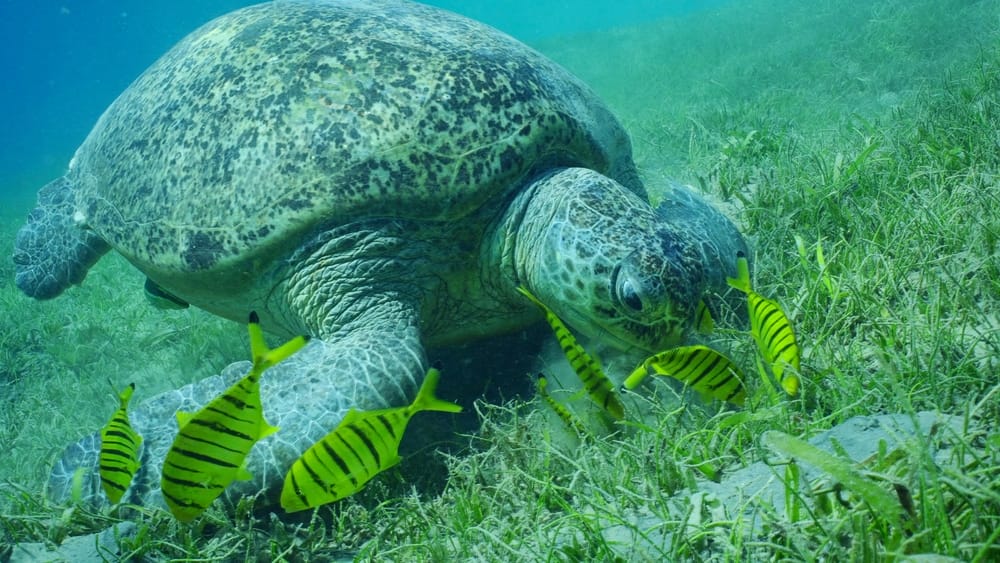
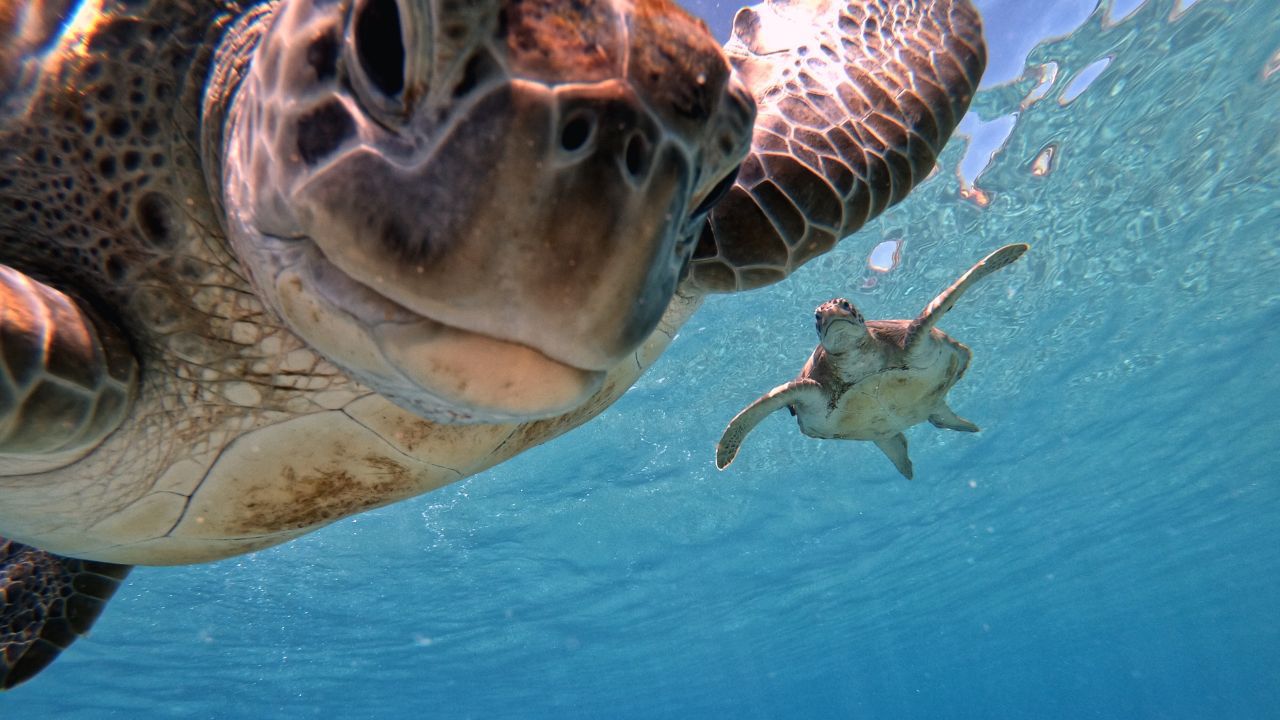
You know that peaceful image of a sea turtle gracefully gliding through crystal-clear water?
Yeah, keep that image in your head. Now imagine that same turtle chasing you down and biting a chunk out of your backside.
Sounds crazy, right?
But it happens more often than you’d think.
The Short Answer
Sea turtles are generally chill creatures. They mind their own business, cruise around looking for jellyfish and seagrass, and couldn’t care less about humans.
But here’s the thing.
Push them too far, and these ancient reptiles will absolutely defend themselves. We’re talking serious bites that can break bones, sever fingers, and send you to the hospital.
Let me explain when these gentle giants turn not-so-gentle.
Track A Real Sea Turtle With Each Bracelet!


Learn Name
You get to learn your sea turtle’s name, size, age. Also a picture!
Enjoy Stories
Enjoy the story of your sea turtle, where it came from, where is it going?
Follow Me
You get to follow the sea turtle’s journey on an interactive tracking map!
Click Here & Use Coupon Code: THETURTLEHUB20 For A 20% Discount!
Why Would a Sea Turtle Attack?
Sea turtles don’t wake up and choose violence. There’s usually a reason behind every attack.
Human Feeding Creates Monsters
This is the big one.
In Limeni, Greece, a tavern owner thought it would be cute to feed the local sea turtles fish scraps every single day. Great for attracting tourists, right?
Here’s what actually happened:
- 2019: 40 swimmers bitten
- 2020: 170 swimmers bitten
- Total recorded incidents: Over 200 attacks in that area alone
The turtles started seeing humans as either food dispensers or competition. When you didn’t have food to offer? Chomp.
This isn’t some isolated incident either. ARCHELON, the Sea Turtle Protection Society of Greece, has documented similar patterns wherever humans regularly feed these animals.
Mating Season Madness
Male sea turtles during breeding season are basically walking (well, swimming) testosterone bombs. They get territorial. They get aggressive.
They also get surprisingly vocal — using grunts and moans to attract mates and warn off rivals.
And sometimes, they mistake swimmers for either rivals or potential mates.
Yes, you read that right.
There are documented cases of male sea turtles trying to mate with divers. One scientific report described a male green turtle that “approached purposely” and had to be fended off with a 2.5-meter spear.
The males can travel between multiple breeding areas and will aggressively defend whatever territory they’ve claimed. If you happen to be floating in that territory? You might have a problem.
Self-Defense Mode
Sea turtles have exactly two defense options:
- Swim away
- Bite
If they can’t escape, they’re going to choose option two. And given that they’re encased in a bony shell, their jaws are pretty much their only weapon.
Sudden movements, getting too close, cornering them, or touching them can trigger this response. The turtle doesn’t know you’re just trying to get a cute selfie.
All it sees is a large, potentially dangerous creature invading its space. This fear response is genuine — turtles experience real stress and anxiety, not just robotic survival reflexes.
This Hilarious Turtle Book Might Know Your Pet Better Than You Do
Let’s be real—most turtle care guides feel like reading a textbook written by a sleep-deprived zookeeper.
This one’s not that.
Told from the snarky point of view of a grumpy, judgmental turtle, 21 Turtle Truths You’ll Never Read in a Care Guide is packed with sarcasm, sass, and surprisingly useful insights.
And hey—you don’t have to commit to the whole thing just yet.
Grab 2 free truths from the ebook and get a taste of what your turtle really thinks about your setup, your food choices, and that weird plastic palm tree.
It’s funny, it’s honest, and if you’ve ever owned a turtle who glares at you like you’re the problem—you’ll feel seen.
How Bad Is a Sea Turtle Bite, Really?
Let’s talk numbers.
According to research published in the Journal of Experimental Biology, adult loggerhead sea turtles can bite with forces ranging from 442 to 1,766 Newtons.
For reference, that’s enough to:
- Crush shellfish and horseshoe crabs (their normal diet)
- Cause deep lacerations requiring stitches
- Break human bones
- Potentially sever fingers
A 2020 case study published in a medical journal described a woman attacked by a loggerhead in Turkey. She ended up with a deep cut on her thumb and massive bruises across her waist and back. The turtle bit her repeatedly as she tried to escape.
“The pain was so intense I nearly fainted,” another victim told Greek media after being hospitalized for an infected turtle bite on her thigh.
If you think sea turtles bite hard, snapping turtles are in a league of their own — and some people actually try to keep them as pets.
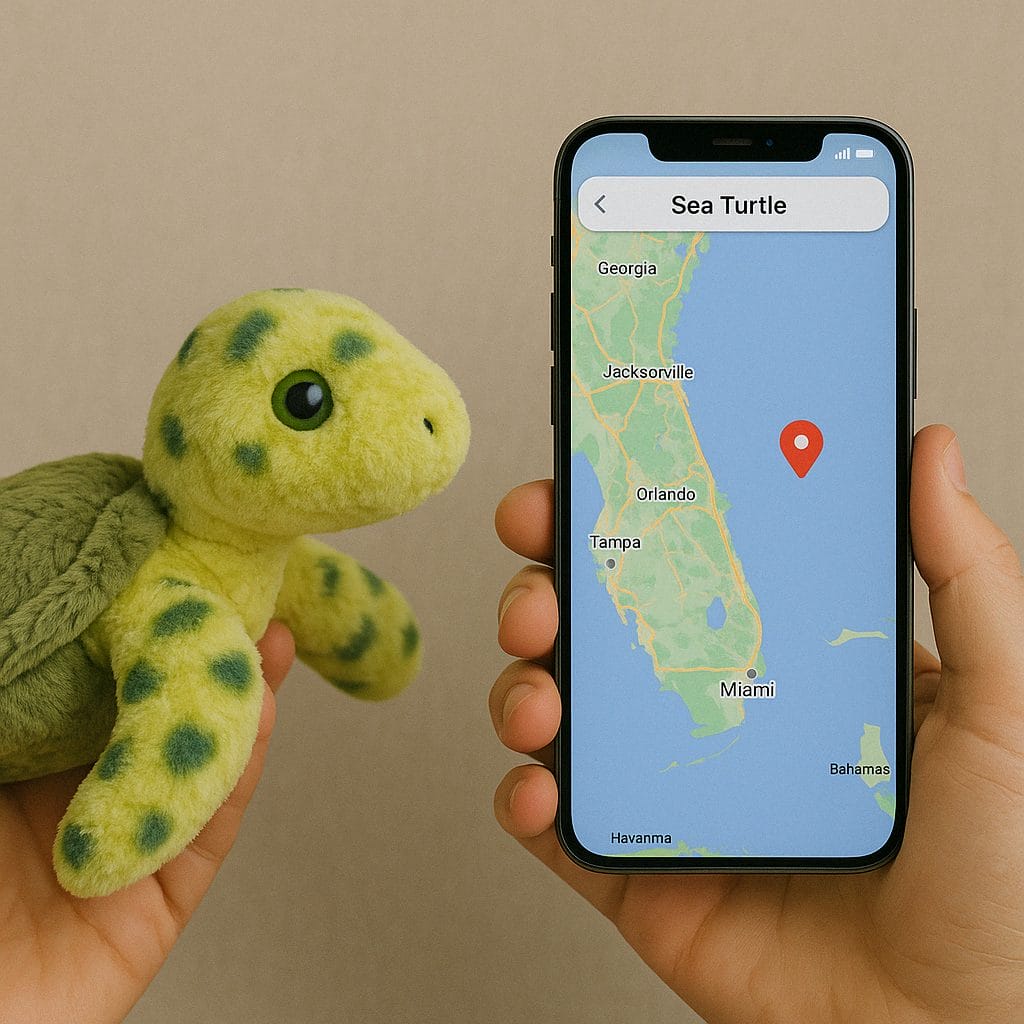
Snuggle a Plush. Track a Turtle.
🧸 + 🌊 = 🐢 A toy that connects you to real sea turtles in the wild.


Meet Your Turtle
Scan the tag to meet your real sea turtle. Learn its name, species, and see a real photo!
Follow the Journey
Watch your turtle swim across the ocean using the 3D tracking map. It’s like a sea adventure in your pocket.
Support Wildlife
Every plush supports turtle conservation efforts through the Sea Turtle Conservancy.
Click Here & Use Coupon Code: THETURTLEHUB20 For A 20% Discount! (Your hug helps a turtle.)
The Different Species and Their Temperaments
Not all sea turtles are created equal when it comes to aggression.
| Species | Typical Behavior | Bite Danger |
|---|---|---|
| Loggerhead | Most attacks involve this species. Powerful jaws designed to crush shells. | HIGH – causes most documented injuries |
| Green Turtle | Generally docile, but males can be territorial during mating. | MODERATE – about half the bite force of loggerheads |
| Leatherback | Can be aggressive when threatened. One was observed chasing a shark, then attacking a boat. | HIGH – largest species, powerful jaws |
| Hawksbill | Shy and typically avoids humans. | LOW – rarely involved in incidents |
Real Attack Incidents You Should Know About
The Russian Tourist (Turkey, 2022)
A 64-year-old woman named Lidia was swimming just 11 feet from shore at a Mediterranean resort. Without warning, a loggerhead turtle sank its beak into her backside and started dragging her underwater.
A lifeguard had to physically fight the turtle off. He broke his arm in the process.
Lidia suffered wounds on her butt, hip, legs, and fingers. She told reporters she’s not sure she’ll ever be able to get back in the sea.
The Adriatic Biter (Croatia/Montenegro)
In the Bay of Kotor, a single loggerhead turtle was responsible for biting multiple swimmers. Doctors at the General Hospital in Kotor documented several cases in a published scientific paper.
The cause? The turtle had likely become habituated to humans through feeding and started treating swimmers as competitors for its territory.
The Crete Pattern (Greece, 2024)
Multiple attacks at Marathi Beach in Chania, Greece. Same pattern: turtles that had been fed by fishermen and tourists were biting swimmers who wandered into their perceived territory.
Marine biologists call this “food conditioning.” The turtle learns to associate humans with food, and when you show up empty-handed, it gets frustrated. Or it sees you as competition that needs to be driven away.
How to Avoid Getting Bitten
Look, the chances of getting attacked by a sea turtle are still pretty low. But here’s how to keep them even lower:
Do This
- Keep your distance — Stay at least 10-20 feet away
- Move slowly and calmly — Frantic movement can trigger defensive responses
- Watch their body language — A turtle that’s approaching purposefully or opening its beak repeatedly is NOT happy
- If one approaches, splash and move your limbs dramatically — This often scares them off
Never Do This
- Never feed sea turtles — This is illegal in most places and creates dangerous behavior
- Never touch or ride them — Besides being illegal, it stresses them out
- Never corner them — Give them an escape route
- Never approach during mating season (March-June in most areas) — Males are especially unpredictable
What To Do If You Get Bitten
First, don’t panic. Get out of the water calmly but quickly.
Here’s what you need to know:
- Clean the wound immediately — Sea turtle bites can harbor bacteria that are resistant to common antibiotics
- Get medical attention — You’ll likely need antibiotics and possibly a tetanus shot
- Document the incident — Take photos, note the location and time
- Report it to local wildlife authorities — This helps track problem areas
The Bigger Picture
Here’s the thing that bugs me about these stories.
Every single major turtle attack cluster traces back to the same cause: humans messing with natural behavior. Feeding them, harassing them, encroaching on their habitats.
Sea turtles have been swimming in these oceans for over 100 million years. They were here before the dinosaurs disappeared.
They’re not the problem. We are.
When we feed them, we turn them into unpredictable animals that can’t distinguish between food-giver and competitor. When we crowd their breeding grounds, we stress them out. When we pollute their waters and destroy their habitats, we force them into closer contact with humans.
Six of the seven sea turtle species are now classified as threatened or endangered. The biggest threats they face? Fishing nets, pollution, coastal development, and climate change.
The occasional bite? That’s just a reminder that these are wild animals, not props for your Instagram story.
Final Thoughts
Are sea turtles aggressive?
Not by nature. They’re solitary creatures that would much rather avoid you entirely.
But they’re also powerful animals with sharp beaks and zero hesitation when it comes to self-defense. Push them into a corner, mess with their food supply, invade their breeding territory, or condition them to associate humans with food — and you might find out just how un-gentle these “gentle giants” can be.
Respect the turtle. Keep your distance. And for the love of all things marine, stop feeding wildlife.
Your fingers will thank you.

About Author
Muntaseer Rahman started keeping pet turtles back in 2013. He also owns the largest Turtle & Tortoise Facebook community in Bangladesh. These days he is mostly active on Facebook.