What Are The Defense Mechanisms Of Turtles?

This post was created with help from AI tools and carefully reviewed by a human (Muntaseer Rahman). For more on how we use AI on this site, check out our Editorial Policy.
Turtles protect themselves by pulling into their shells, biting with powerful jaws, and camouflaging with their surroundings. They’ll also release stinky chemicals, burrow underground, or make a run for the nearest water when threatened.
Here’s the thing – turtles are slow on land. Their bodies just aren’t built for speed like other animals.
So instead, they’ve developed some pretty clever survival tricks that have kept them around for over 200 million years. Let’s look at how these ancient reptiles stay safe in a world full of predators.
Quick Answer: How Turtles Defend Themselves
- Shell retraction – Pull everything inside their armored shell (works like a tank)
- Biting – Use razor-sharp beaks to snap at threats (snapping turtles can bite off fingers)
- Camouflage – Blend in with rocks, sand, or leaves using their shell patterns
- Chemical warfare – Release nasty-smelling musk from glands (musk turtles are called “stinkpots” for this reason)
- Escape to water – Head for the nearest pond or stream where they can swim fast
- Vocalization – Hiss or grunt to sound intimidating
Why Do Turtles Need So Many Defense Tricks?
Turtles face a simple problem: they’re delicious and slow.
On land, a turtle moving at full speed is still slower than most predators walking. Birds, raccoons, foxes, and even large fish see turtles as an easy meal.
But turtles have been around since dinosaurs roamed the earth. Their defense strategies clearly work.
This Hilarious Turtle Book Might Know Your Pet Better Than You Do

Let’s be real—most turtle care guides feel like reading a textbook written by a sleep-deprived zookeeper.
This one’s not that.
Told from the snarky point of view of a grumpy, judgmental turtle, 21 Turtle Truths You’ll Never Read in a Care Guide is packed with sarcasm, sass, and surprisingly useful insights.
And hey—you don’t have to commit to the whole thing just yet.
Grab 2 free truths from the ebook and get a taste of what your turtle really thinks about your setup, your food choices, and that weird plastic palm tree.
It’s funny, it’s honest, and if you’ve ever owned a turtle who glares at you like you’re the problem—you’ll feel seen.
The Shell Defense: A Turtle’s Best Friend
How Strong Is a Turtle Shell, Really?
A turtle’s shell can handle 200 times the turtle’s own body weight. That’s like you carrying 400 people on your back without breaking a sweat.
Scientists tested shell strength and found they have a fracture toughness of 36.4 MPa m^½. In plain English – that shell isn’t cracking easily.
Not All Turtles Can Fully Retract
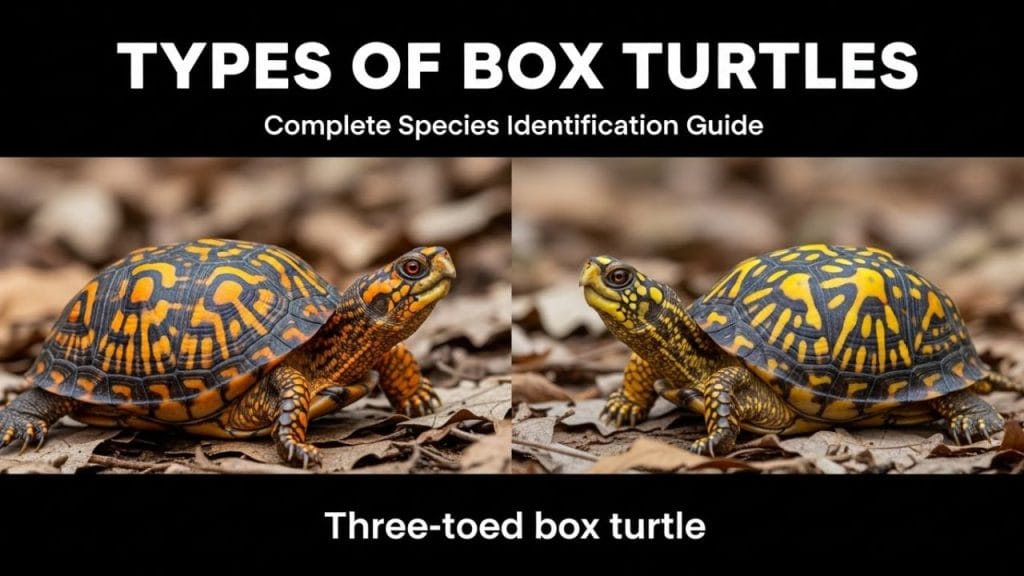
Box turtles are the champions here. They have hinged shells that snap shut completely, like a living fortress.
Snapping turtles? Their anatomy makes full retraction impossible—their necks are too thick to pull inside their shells, which is why males have such long, vulnerable tails for reproduction that they can’t fully protect.
This is why snapping turtles are so aggressive. They can’t hide, so they’re always ready to fight.
When Does Hiding in the Shell Work Best?
This defense works great against:
- Birds of prey trying to grab them
- Raccoons and foxes looking for an easy snack
- Other animals that give up when they can’t reach soft parts
It doesn’t work against:
- Alligators and crocodiles (their jaws can crack shells)
- Humans (sadly, people can still harm them)
- Long, patient predators that wait them out

Biting: When Turtles Go on the Offense
How Hard Can a Turtle Actually Bite?
Let’s be real – turtle bites are no joke.
Snapping turtles can literally bite off a human finger. Their jaw pressure is around 1,000 pounds per square inch.
Even peaceful species like box turtles will bite hard enough to draw blood. Their beaks are sharp and hooked, designed to tear through fish and insects.
The Snapping Turtle’s Attack Stance
Before a snapping turtle bites, you’ll see a warning. They extend their rear legs fully and lower their front legs down to their wrists.
Then they stare at you. That’s your cue to back off.
If you don’t? They lunge faster than you’d expect for something so heavy.
Which Turtle Species Are Most Likely to Bite?
Pretty much all of them will bite if cornered:
- Snapping turtles (common and alligator) – most dangerous
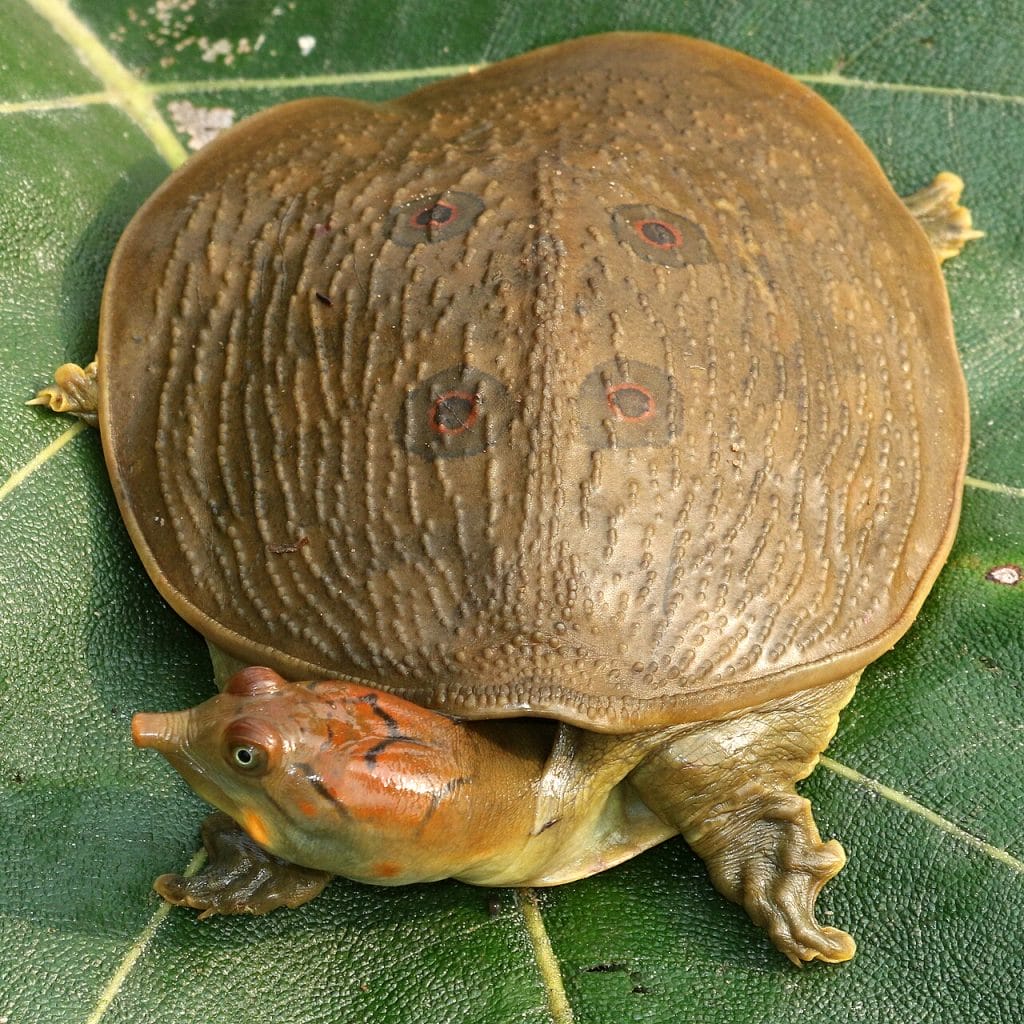
- Softshell turtles – surprisingly aggressive
- Map turtles – will definitely bite
- Sea turtles – can deliver a painful bite
- Box turtles – reluctant but capable

Camouflage: The Art of Disappearing
How Turtles Use Color to Vanish
Mata mata turtles look like dead leaves. Their dark brown, jagged shells blend perfectly with river bottoms covered in debris.
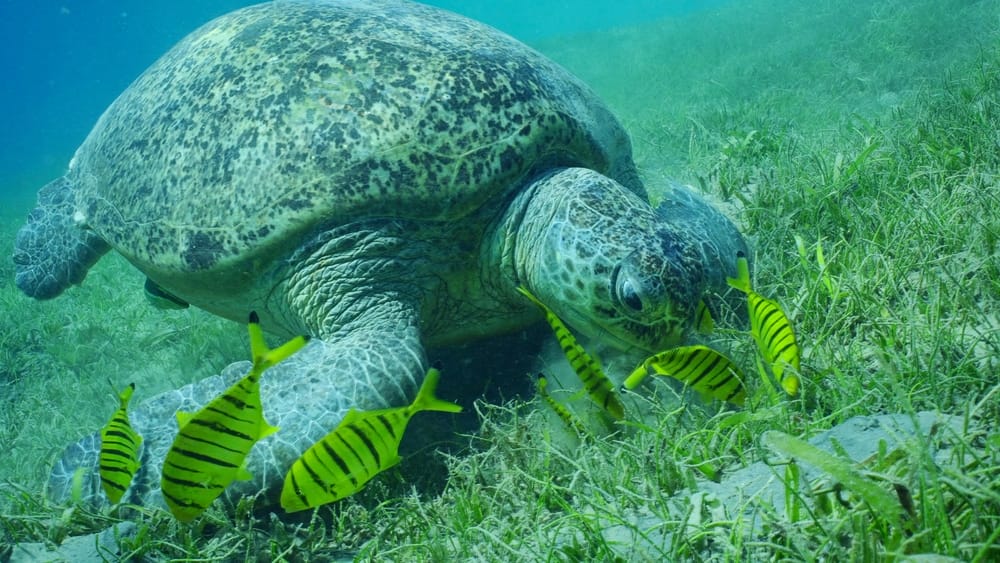
Sea turtles use their shell patterns to disappear against rocky ocean floors. From above, they look like just another rock.
Box turtles have mixed browns, yellows, and blacks that match forest floors. I’ve walked past box turtles in the woods without seeing them until they moved.
Camouflage as a Hunting Tool
This defense doubles as offense. Turtles don’t just use camouflage to hide from predators – they use it to ambush prey.
A mata mata sits perfectly still on the river bottom, looking like a rock. When a fish swims by? Boom, it’s lunch.
Chemical Defense: The Stink Bomb Strategy
Why Musk Turtles Are Called “Stinkpots”
Common musk turtles have two small glands under their shell. When threatened, these glands release a nasty-smelling musk that makes predators drop them immediately.
The smell is similar to skunk spray but less intense. Still, it’s enough to make most animals think twice about eating them.
Other Turtles That Use Smell
Some turtle species release foul odors from their cloaca (their all-purpose rear opening). It’s not as potent as musk turtle glands, but it gets the job done.
Peeing on predators is also a defense tactic. It’s gross, it’s unexpected, and it sometimes works.
Burrowing: Going Underground
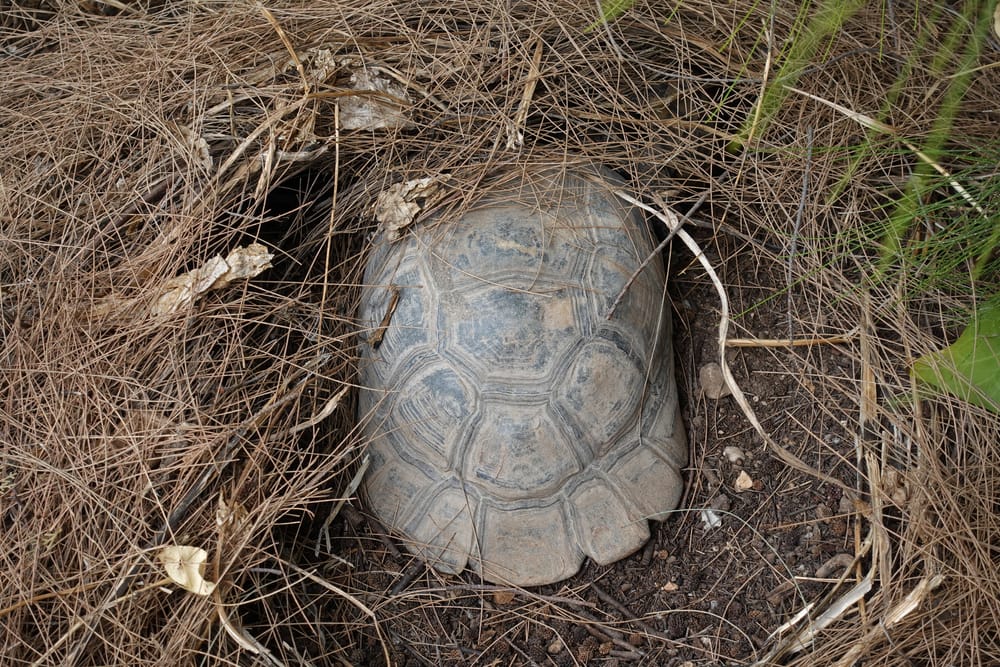
When Do Turtles Dig for Safety?
Turtles burrow for lots of reasons:
- Escaping extreme heat or cold
- Hiding from predators
- Preparing to hibernate
- Reducing stress
Some turtles dig their own tunnels. Others find abandoned burrows from other animals and move right in.
Creating Safe Hiding Spots for Pet Turtles
If you keep turtles as pets, give them hiding spots. They need places to feel secure when they’re stressed.
This can be a half-buried log, a rock cave, or a commercial turtle hide. Without it, your turtle will be constantly anxious.
Running Away: The Water Escape
Why Water Is a Turtle’s Safe Zone
On land, turtles are sitting ducks. In water? They’re olympic swimmers.
The moment a land turtle senses danger, it heads for the nearest pond, stream, or puddle. Once underwater, they can hold their breath for hours and easily outswim most predators.
Aquatic turtles are even better. They’re basically torpedoes with shells.
However, if a turtle flips over in shallow water and can’t right itself, this underwater sanctuary becomes a death trap since they can’t lift their heads above the surface to breathe.
How Fast Can Turtles Actually Move?
On land: 0.13 to 0.3 mph (slower than you walk)
In water: 10-22 mph for sea turtles (faster than most humans can swim)
That’s a 50-100x speed increase. No wonder they prefer water.
Vocalization: Sounding Scary
What Noises Do Turtles Make?
Most people don’t know turtles make sounds. But they do – especially when threatened.
You’ll hear:
- Hissing (sounds like air escaping)
- Grunting (deep, guttural sounds)
- Clucking (some species during mating)
The hissing isn’t actually aggression. It’s just air being forced out as they pull into their shell.
But predators don’t know that. To them, it sounds like “back off.”
What NOT to Do Around Wild Turtles
- Don’t pick them up unnecessarily. Even friendly-looking turtles can bite, scratch, or release musk.
- Turtles have sensitive nerve endings throughout their shells and skin that make handling stressful, and grabbing their tail can cause serious damage to the cloaca—an opening vital for reproduction and waste elimination.
- Don’t block their path to water. If a turtle is heading for water, it’s probably running from something. Let it go.
- Don’t assume a turtle is helpless. That peaceful-looking box turtle can still bite hard enough to need stitches.
- Don’t keep wild turtles as pets. They have specific defense needs that are hard to meet in captivity, and it’s often illegal.

When Defense Mechanisms Fail
What Eats Turtles Despite Their Defenses?
Even with all these tricks, turtles still have predators:
- Alligators and crocodiles (can crack shells)
- Raccoons (dig up turtle eggs)
- Large birds (can carry small turtles and drop them)
- Humans (habitat destruction and road deaths)
Baby turtles are especially vulnerable. Their shells haven’t hardened yet, making them easy targets.
How Human Activity Affects Turtle Defense
Roads are death traps for turtles. Their instinct is to pull into their shell when threatened, which doesn’t help against cars.
Habitat destruction removes hiding spots and water sources. Without these, their defense mechanisms become useless.
Frequently Asked Questions
Can a turtle survive without its shell?
No. A turtle’s shell is part of its skeleton – it’s attached to their spine and ribs. Removing the shell would kill the turtle instantly. Think of it like trying to remove your ribcage.
Do all turtles bite when scared?
Yes, pretty much all turtle species will bite if they feel cornered or threatened. Even typically docile species will use their beaks as a last resort. The bite strength varies by species, but all turtle bites can break skin.
Why do snapping turtles stay aggressive even in captivity?
Snapping turtles can’t fully retract into their shells, so they always feel vulnerable. This makes them naturally defensive. In captivity, they stay aggressive because it’s their instinct – they don’t “know” they’re safe now.
How long can a turtle hold its breath while hiding underwater?
It depends on the species and water temperature. Most aquatic turtles can hold their breath for 4-7 hours in cold water. In warmer water, this drops to 30 minutes to a few hours. Some species can even absorb oxygen through their skin underwater.
Is turtle musk dangerous to humans?
No, turtle musk is just smelly – it’s not toxic or dangerous. It might make you gag and you’ll want to wash your hands, but it won’t harm you. The smell can linger on your skin for a few hours even after washing.
Bottom Line
Turtles have survived for over 200 million years because they’re not just slow – they’re smart.
Their shell, their bite, their ability to disappear, and their chemical defenses all work together. Each turtle species has slightly different strategies based on where they live and what threatens them.
If you see a wild turtle, appreciate its defense mechanisms by giving it space. The best way to respect these ancient survivors is to let them do their thing without interference.
And if you have a pet turtle, understanding these instincts helps you create a safer, less stressful environment. Give them hiding spots, don’t corner them, and remember – they’re not trying to be difficult. They’re just trying to stay alive.

About Author
Muntaseer Rahman started keeping pet turtles back in 2013. He also owns the largest Turtle & Tortoise Facebook community in Bangladesh. These days he is mostly active on Facebook.