What Can Turtles Eat on Thanksgiving? A Guide to Safe Holiday Treats
This post was created with help from AI tools and carefully reviewed by a human (Muntaseer Rahman). For more on how we use AI on this site, check out our Editorial Policy.
You’re sitting at the Thanksgiving table, turkey carved, sides steaming, and your turtle is giving you that look. You know the one—the beady-eyed stare that says “I see you eating, and I want in on this.”
So here’s the big question: Can your shelled friend join the Thanksgiving feast?
The short answer is yes—but not in the way you think. Your turtle can absolutely enjoy some holiday treats, but that butter-basted, herb-crusted turkey on your plate? That’s a hard pass. Let me break down what’s safe, what’s risky, and what’ll have you rushing to the vet instead of watching football.
Quick Reference: Thanksgiving Foods for Turtles
| Food | Safe? | Preparation | Frequency |
|---|---|---|---|
| Turkey (plain, cooked) | ⚠️ Yes, but… | Remove skin, no seasonings, white meat only | Once a month max |
| Cranberries | ⚠️ Rare treat | Plain, fresh | Rarely |
| Sweet Potatoes | ✅ Yes | Cooked, no seasonings, small pieces | 1-2 times/month |
| Pumpkin | ✅ Yes | Cooked, no skin/seeds | 1-2 times/month |
| Squash (all types) | ✅ Yes | Cooked, plain | Regular rotation |
| Green Beans | ⚠️ Occasionally | Blanched, plain | 1-2 times/month max |
| Corn | ⚠️ Small amounts | Plain kernels only | Rarely |
| Turkey Skin | ❌ No | N/A | Never |
| Stuffing | ❌ No | N/A | Never |
| Gravy | ❌ No | N/A | Never |
| Mashed Potatoes (buttered) | ❌ No | N/A | Never |
| Casseroles | ❌ No | N/A | Never |
| Bread/Rolls | ❌ No | N/A | Never |
| Pies/Desserts | ❌ No | N/A | Never |
Key Reminders:
- Always prepare food plain (no butter, salt, seasonings)
- Keep portions tiny (no bigger than turtle’s head)
- Treats should be max 10% of diet
- When in doubt, skip it—stick to their regular food
- Contact your vet if anything seems off
The Turkey Truth: Yes, But Make It Boring
Here’s the deal with turkey: turtles can technically eat cooked turkey meat, but it needs to be completely plain—no seasoning, no butter, no herbs, no nothing.
Think of it like the most boring turkey you’ve ever had. No garlic, no salt, no fancy rubs.
The white meat is your best bet since it’s leaner and easier to digest. Dark meat has more fat, which isn’t great for turtle tummies.
Remove the skin completely. That crispy, buttery skin we love is way too fatty for turtles and can cause serious digestive issues.
And portion size? A piece about the size of your turtle’s head is plenty, and only offer it once a month max.
Why Plain Turkey Only?
Your Thanksgiving turkey is basically a seasoning festival. Garlic, onions, butter, oils, salt—all that stuff that makes it delicious for us is potentially harmful for turtles.
Seasonings meant for human consumption can irritate a turtle’s digestive system. Even worse, bacteria like Salmonella can be present in raw turkey, which is why you should always cook it thoroughly.
But here’s the kicker: turkey isn’t something turtles would encounter in the wild anyway, so there’s no real benefit to offering it over their normal protein sources like insects, molluscs, and fish.
This Hilarious Turtle Book Might Know Your Pet Better Than You Do

Let’s be real—most turtle care guides feel like reading a textbook written by a sleep-deprived zookeeper.
This one’s not that.
Told from the snarky point of view of a grumpy, judgmental turtle, 21 Turtle Truths You’ll Never Read in a Care Guide is packed with sarcasm, sass, and surprisingly useful insights.
And hey—you don’t have to commit to the whole thing just yet.
Grab 2 free truths from the ebook and get a taste of what your turtle really thinks about your setup, your food choices, and that weird plastic palm tree.
It’s funny, it’s honest, and if you’ve ever owned a turtle who glares at you like you’re the problem—you’ll feel seen.
The Cranberry Question: A Rare Treat
Cranberries are one of those Thanksgiving staples, and surprisingly, turtles can eat cranberries!
Box turtles especially might enjoy them since they love berries like strawberries, raspberries, and blackberries.
But there’s a catch: cranberries have more phosphorus than calcium, so they should only be a rare treat. Turtles need a 2:1 calcium-to-phosphorus ratio to keep their shells strong.
One turtle owner even reported their red-eared slider ate a cranberry when it smelled like shrimp, but ignored it once the scent washed off. Picky eaters, these guys.
Sweet Potatoes: Cook Them First
Good news! Turtles can eat cooked sweet potatoes, and they’re packed with vitamin A.
The key word here is cooked. Raw sweet potatoes are hard and difficult to digest, so you’ll want to steam, bake, or boil them first.
Box turtles can have sweet potatoes as part of their vegetable mix, but keep portions small.
Again, no butter, no brown sugar, no marshmallows. Just plain, boring sweet potato. Cut it into small, turtle-sized bites—think smaller than the space between their eyes.
Pumpkin: The Thanksgiving MVP
If there’s one Thanksgiving food that’s a turtle winner, it’s pumpkin.
Most omnivorous and herbivorous turtles can safely eat pumpkin when it’s properly prepared. And by properly prepared, I mean cooked until soft.
Raw pumpkin is too hard for turtles to chew and digest, so steam or bake it first. Remove the skin and seeds, and let it cool completely before serving.
Pumpkin is loaded with vitamin A which helps turtles see better, plus it’s high in fiber for digestion. Box turtles especially love this stuff.
Feed it once or twice a month as a treat. Your turtle will think it’s dessert.
Squash Varieties: All Green-Lit
Here’s where it gets easy: pretty much any squash is good for turtles—acorn, butternut, yellow, zucchini, you name it.
Most winter squashes are in the same family as pumpkin and are safe when prepared the same way. Cook them until soft, skip the seasonings, and serve in small pieces.
For summer squash, the rinds are actually more nutritious than the flesh, so don’t be too fussy about peeling.
Your turtle might not help you finish your bumper crop of zucchini, but they’ll definitely enjoy a few bites.
Green Beans: Proceed With Caution
Okay, green beans get a yellow light—they’re not toxic, but they’re not ideal either.
Green beans contain phytic acid, an anti-nutrient that binds to minerals like calcium, magnesium, and zinc, preventing absorption.
You know what turtles absolutely need? Calcium. For their shells.
Over time, a diet heavy in green beans can lead to metabolic bone disease, kidney issues, and shell deformities.
That said, one or two green beans a month as an occasional treat won’t hurt, especially if your turtle’s overall diet is balanced. Just blanch them first to make them easier to digest.
But honestly? There are way better veggie options out there.
Corn: Skip the Butter
Corn is safe for turtles in small amounts as part of their vegetable mix, but it shouldn’t be a staple.
If you’re serving corn on the cob at Thanksgiving, cut a few kernels off for your turtle—plain, of course. No butter, no salt, no that delicious garlic-herb compound butter you made.
Turtles are attracted to bright colors, so they might actually get excited about corn. But keep portions tiny since it doesn’t pack much nutritional punch.
The Absolute No-Go List
Let me save you a vet bill by listing what turtles should NEVER eat from your Thanksgiving spread:
Turkey bones: Poultry bones can splinter and cause choking or internal injuries. Not worth the risk.
Turkey skin: Too fatty and often covered in seasonings and butter.
Stuffing: Usually contains onions and garlic, both of which are toxic to turtles.
Gravy: High in fat and salt, plus it probably has onions or garlic in it.
Mashed potatoes with butter/cream: Plain mashed potatoes are okay, but the rich version we eat isn’t.
Casseroles: Usually loaded with cheese, cream, and seasonings turtles can’t handle.
Dinner rolls: Bread and other carbs have zero nutritional value for turtles and can cause fatal digestive issues.
Pecan pie: Nuts, sugar, dairy—everything wrong in one dessert. Dairy can’t be digested by turtles, and nuts contain phytic acid that blocks calcium absorption.
Any alcohol: Obviously. Don’t be that person.
Creating a Turtle-Safe Thanksgiving Plate
Want to make your turtle feel included? Here’s how to do it right.
Start with their regular diet as the base—commercial turtle pellets, leafy greens like romaine or mustard greens, and their usual protein sources.
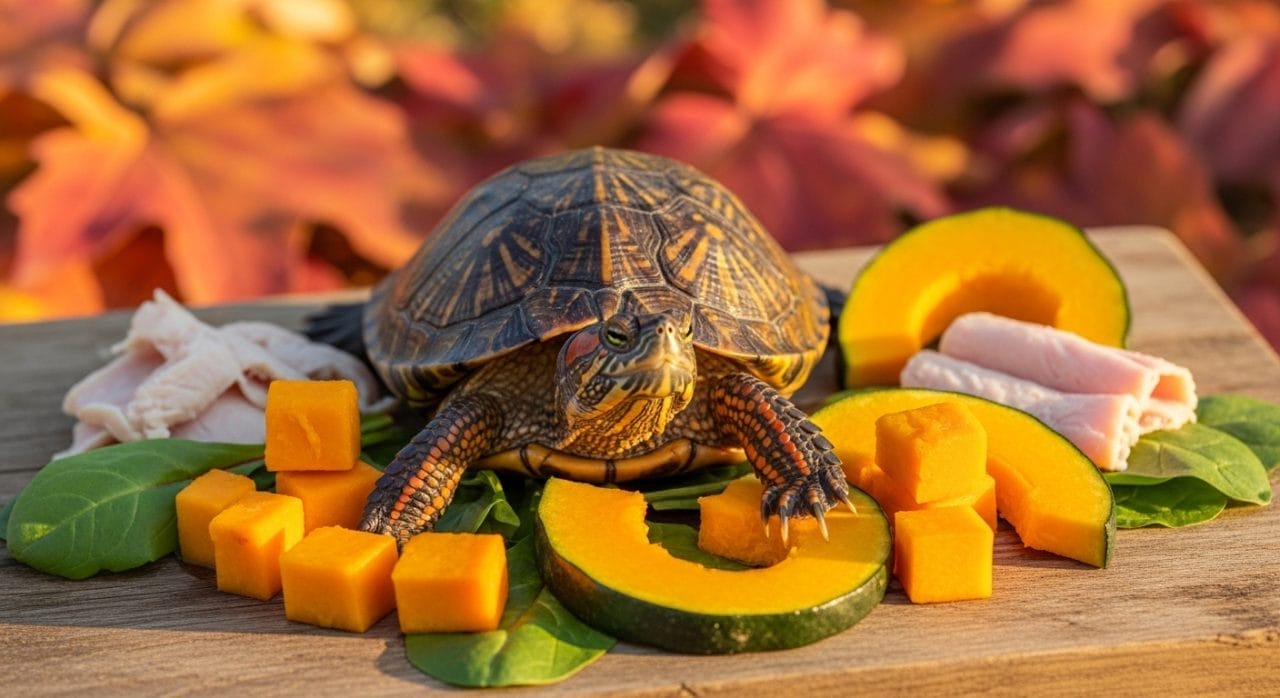
Then add tiny portions of Thanksgiving treats: a thumbnail-sized piece of plain turkey, a few small cubes of cooked pumpkin, and maybe a single cranberry.
The golden rule: Thanksgiving treats should make up no more than 10% of their meal. The other 90% should be their normal, balanced diet.
And timing matters. Turtles under one year old should be fed daily with more protein, while adult turtles do fine with feeding every other day.
The Better Protein Options
Let’s be real: insects are way better protein sources for turtles than turkey.
Dried insects are convenient, nutritionally superior, and actually what turtles would eat in the wild. Crickets, mealworms, and earthworms beat turkey any day.
If you want to give your turtle a special Thanksgiving treat, skip the turkey altogether and grab some dried shrimp or a few extra mealworms. They’ll be way more excited about that than some bland turkey meat.
Species-Specific Considerations
Not all turtles eat the same way, and it matters.
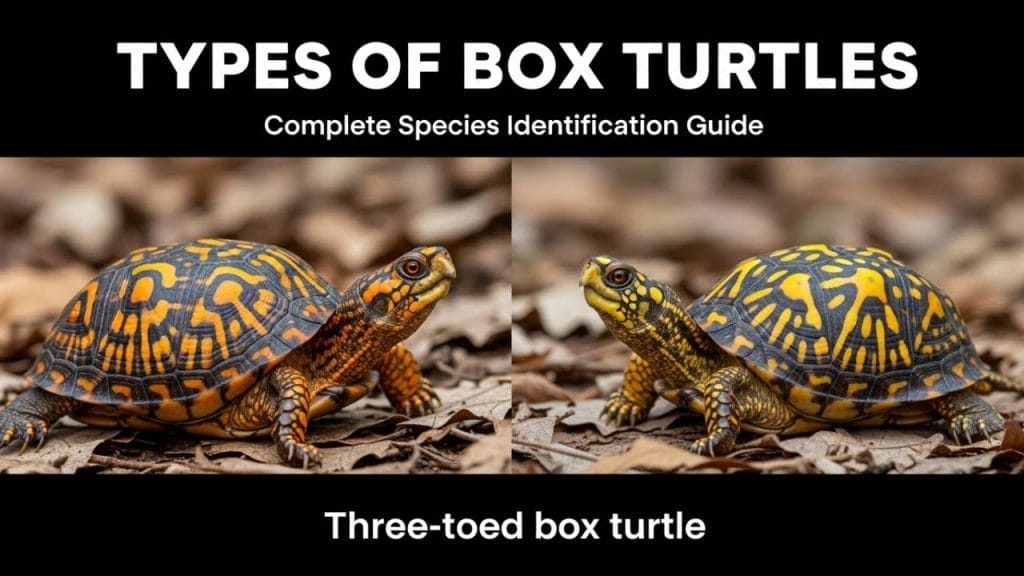
Box turtles are omnivores that lean heavily toward fruits and veggies as they age. They can handle more fruit and softer vegetables, so pumpkin and cranberries are great for them.
Red-eared sliders and other aquatic turtles need more protein when they’re young. Adult sliders do well with a 50/50 split of plant and animal matter.
Carnivorous species like snapping turtles might be more interested in plain turkey, but even they do better with their natural prey.
When in doubt, check what your specific species needs. Your vet or a good turtle care guide can point you in the right direction.
What Happens If They Eat Something Bad?
Okay, so your uncle “accidentally” dropped a piece of stuffing near the tank. Now what?
First, don’t panic. One small exposure usually isn’t fatal, but watch your turtle closely for the next 24-48 hours.
Warning signs to watch for:
- Lethargy or unusual inactivity
- Vomiting or regurgitation
- Diarrhea or unusual bowel movements
- Loss of appetite
- Swollen eyes or skin problems
If you see any of these symptoms, call your reptile vet immediately. Novel foods can cause upset stomachs, and what seems like a minor issue can snowball fast.
Better safe than sorry. Your vet knows way more than Google at 2 AM.
The Bottom Line: Keep It Simple
Here’s the truth: Your turtle doesn’t care about Thanksgiving.
They don’t know it’s a holiday. They’re not feeling left out. They’re not judging your cooking skills.
What they do care about is getting healthy, appropriate food that keeps them thriving for years to come.
So can turtles eat Thanksgiving food? Sure—but only in tiny amounts, properly prepared, and never as a replacement for their regular diet.
The safest option? Stick to pumpkin and squash as special treats. Skip the turkey drama entirely. Your turtle will be just as happy with their normal food, and you won’t spend Black Friday at the emergency vet.
Make this Thanksgiving about gratitude—including gratitude for a healthy, happy turtle who doesn’t need butter, garlic, or marshmallow-covered sweet potatoes to enjoy life.
Keep it boring. Keep it safe. Keep your turtle healthy.
Happy Thanksgiving to you and your shelled friend!

About Author
Muntaseer Rahman started keeping pet turtles back in 2013. He also owns the largest Turtle & Tortoise Facebook community in Bangladesh. These days he is mostly active on Facebook.