10 Best Sea Turtle Experiences in the World (2026 Guide)
This post was created with help from AI tools and carefully reviewed by a human (Muntaseer Rahman). For more on how we use AI on this site, check out our Editorial Policy.
Turtles do not just sit on logs sunbathing. They cross oceans, dig nests in the dark, and show up at the same beach their grandmothers were born on.
I went looking for the trips where you actually get close to that. Not a glass tank, not a “petting zoo” tour bus, but the real thing in the wild.
These ten experiences span six countries and four continents. Some are pure relaxation. Some involve a 4am wake-up and a headlamp.
For each one below, you get the species you can see, the best months to go, a rough cost, and exactly how to book it.
The 10 Sea Turtle Experiences at a Glance
| # | Experience | Where | Best Months |
|---|---|---|---|
| 1 | Watch leatherbacks nest | Tortuguero, Costa Rica | March to July |
| 2 | Snorkel with green turtles | Big Island, Hawaii | Year-round |
| 3 | Meet giant tortoises | Galápagos, Ecuador | Year-round |
| 4 | Snorkel with hawksbills | Perhentian Islands, Malaysia | March to October |
| 5 | Watch loggerhead hatchlings | Archie Carr Refuge, Florida | June to October |
| 6 | See an olive ridley arribada | Ostional, Costa Rica | August to December |
| 7 | Swim with greens in seagrass | Akumal Bay, Mexico | Year-round |
| 8 | Kayak with turtles | Ningaloo Reef, Australia | March to June |
| 9 | Volunteer with hatchlings | Zakynthos, Greece | June to September |
| 10 | See green turtles in clear water | Seychelles | May to September |
Now the full details.
1. Watch Leatherbacks Nest in Tortuguero, Costa Rica
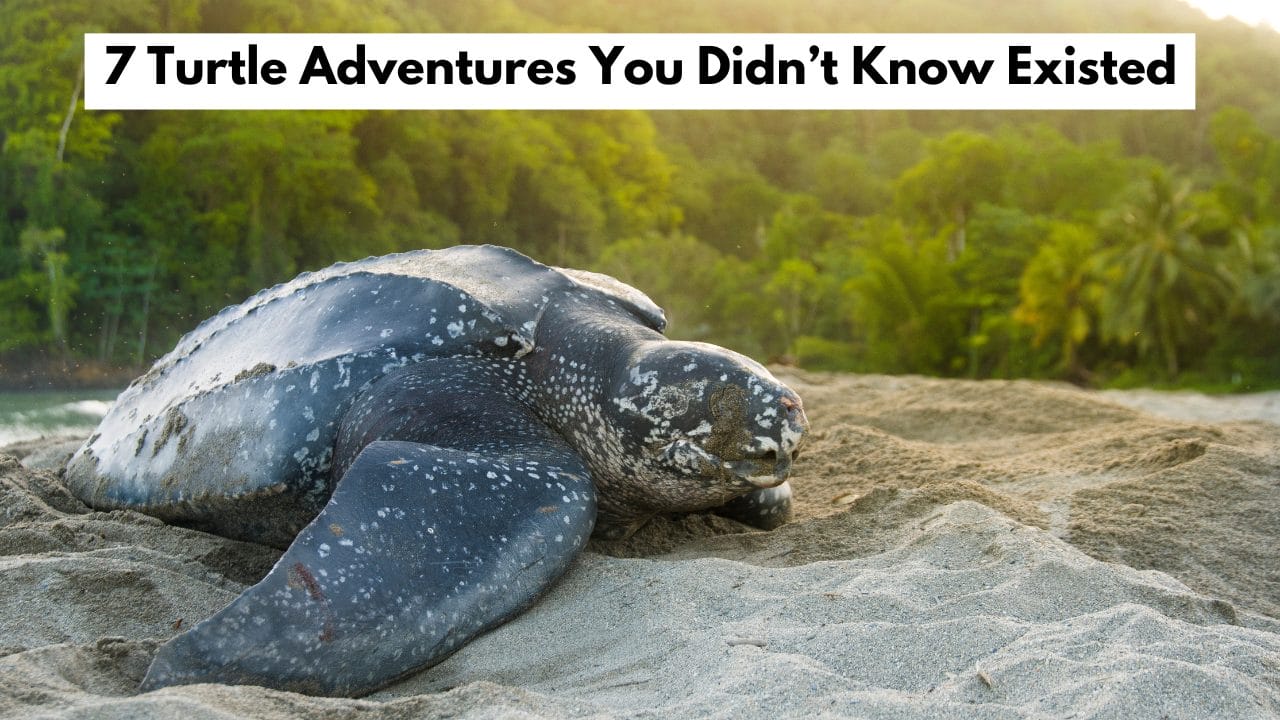
A leatherback dragging itself out of the surf in the dark is one of those things that does not look real until you are standing next to it.
These are the largest turtles on the planet. Adults run roughly 550 to 1,500 pounds, with the record at just over 2,000.
Tortuguero National Park, on the Caribbean coast, is the most reliable place in the world to see it happen. The park runs strict guided night tours so the turtles are not disturbed.
You walk a beach in the dark with red-filtered headlamps. Your guide gets a radio call when a turtle has started laying, then you approach quietly.
Best months: Leatherbacks nest March through July. Green turtles take over from July through October at the same beach.
Cost: Guided night tours run $25 to $40 per person. Park entry is around $17. Eco-lodges inside Tortuguero village run $80 to $200 per night.
How to book: Fly into San José, then take a 90-minute shuttle to La Pavona and a public boat into Tortuguero village (there are no roads in). Lodges like Tortuga Lodge, Mawamba, or Pachira Lodge include guided tours in most packages.
Prefer to wake up already on a turtle beach? A few hotels put you right on the sand where the nesting happens.
This Hilarious Turtle Book Might Know Your Pet Better Than You Do

Let’s be real—most turtle care guides feel like reading a textbook written by a sleep-deprived zookeeper.
This one’s not that.
Told from the snarky point of view of a grumpy, judgmental turtle, 21 Turtle Truths You’ll Never Read in a Care Guide is packed with sarcasm, sass, and surprisingly useful insights.
And hey—you don’t have to commit to the whole thing just yet.
Grab 2 free truths from the ebook and get a taste of what your turtle really thinks about your setup, your food choices, and that weird plastic palm tree.
It’s funny, it’s honest, and if you’ve ever owned a turtle who glares at you like you’re the problem—you’ll feel seen.
2. Snorkel with Green Turtles at Punalu’u Beach, Hawaii
If Costa Rica feels like a stretch, the Big Island is the easy mode of turtle trips.
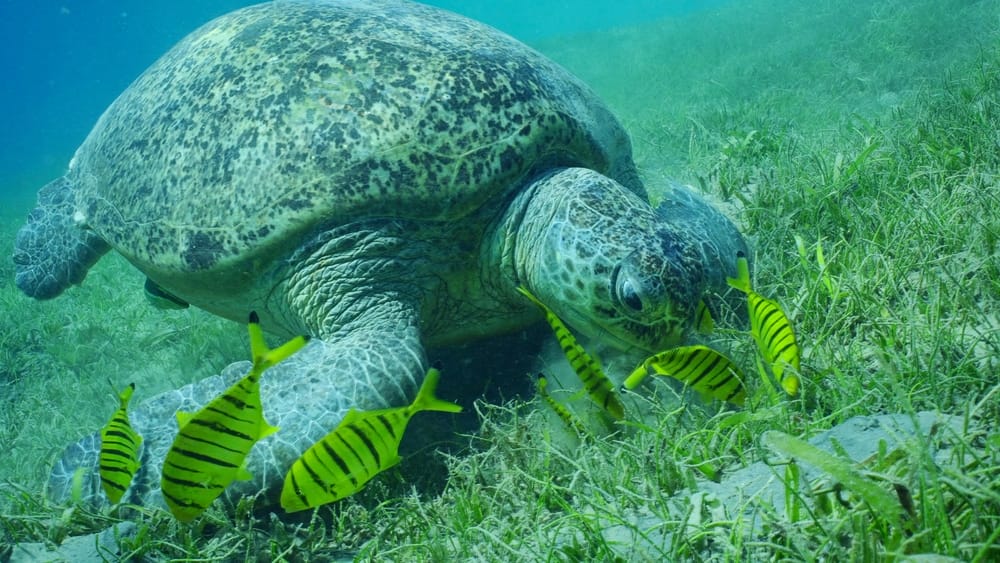
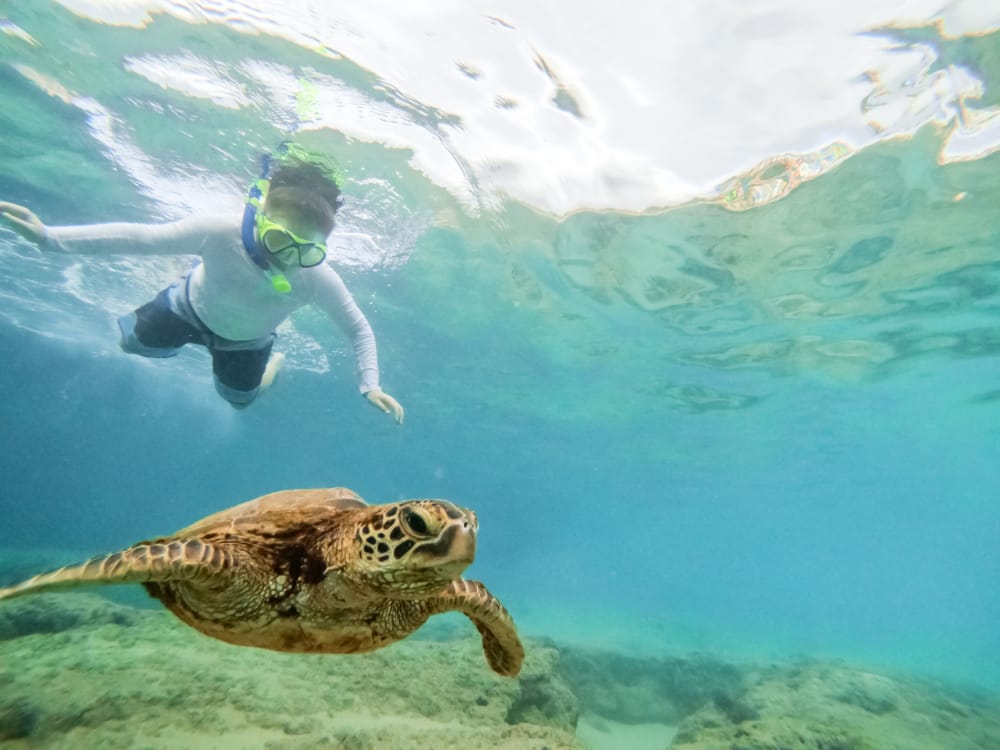
Hawaiian green sea turtles (locals call them “honu”) are a year-round fixture. They haul out to bask on the sand, which most green turtles in the world do not do.
Punalu’u Black Sand Beach on the Big Island is probably the most reliable basking beach. Turtle Town just south of Maui’s Wailea is the snorkel equivalent.
You do not need a guide. You need fins, a mask, sunscreen that is actually reef-safe, and the discipline to stay at least 10 feet away (federal law).

Best months: Year-round. Calmer water from April through October if you want easier snorkeling conditions.
Cost: Free if you self-drive to public beaches. Guided snorkel boat tours from Maui run $80 to $160 per person.
How to book: Fly into Kona (Big Island) or Kahului (Maui). Rent a car. Punalu’u and Turtle Town are both walk-in public beaches with parking.
For five more reliable snorkel locations across the world, see our best places to snorkel with sea turtles guide.
3. Meet Giant Tortoises in the Galápagos, Ecuador
These are not sea turtles, they are land tortoises, and they are wildly different animals. But it would be a crime to leave them off any turtle trip list.
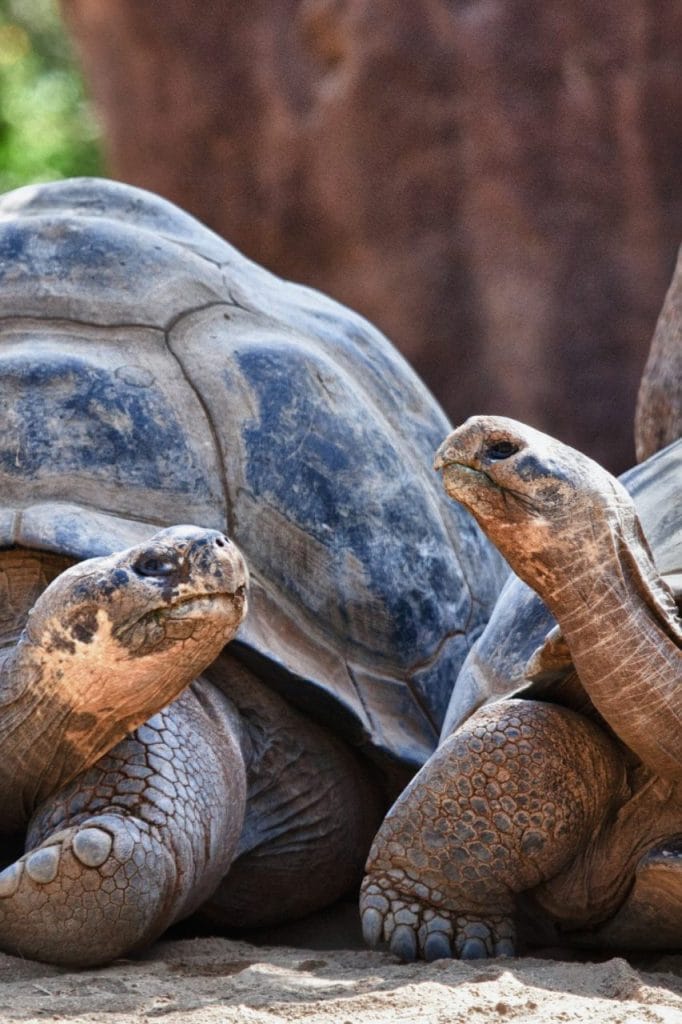
Some Galápagos giants live well past 100. They were already adults when your great-grandparents were born.
You can meet them in two ways. El Chato Reserve on Santa Cruz is a wild highland forest where they wander freely, and you walk among them.
The Charles Darwin Research Station nearby runs the captive breeding program for the more endangered island populations.
Best months: Year-round. December through May is warmer and wetter, when tortoises are most active in the highlands. June through November is cooler and drier.
Cost: A budget land-based week (Quito flights, Galápagos park fees, basic Santa Cruz hotel, day tours) runs around $2,000 to $2,500 per person. Liveaboard cruises start at $3,500 and climb fast.
How to book: Fly Quito to Baltra. Take the bus and ferry to Santa Cruz. Book El Chato as a half-day tour through any Puerto Ayora agency for $50 to $70.
Their sea-going cousins, the Galápagos green sea turtle, are one of 15 spots where you can swim with sea turtles.
4. Snorkel with Hawksbills in the Perhentian Islands, Malaysia
The first time I saw a hawksbill, I thought it looked fake. Their shells have a stained-glass pattern that does not seem like it should exist in nature.
The Perhentian Islands, two small islands off Malaysia’s east coast, are one of the easiest places on earth to snorkel with them. Turtle Beach (Pasir Pengilang) on Perhentian Besar is named for a reason.
These are not boat-tour turtles. You wade in from the shore.
The hawksbills do not care about you, your GoPro, or your underwater pose. Just keep your distance and let them eat sponges in peace.
Best months: March through October. The islands close to most visitors from November to February during monsoon.
Cost: Budget bungalows on Perhentian Kecil run $25 to $60 per night. Mid-range resorts on Perhentian Besar run $90 to $250. Snorkel gear rental is around $5 per day.
How to book: Fly into Kuala Lumpur, then either fly or take a bus to Kuala Besut. From Kuala Besut, speedboats run to both islands for $20 round-trip.
5. Watch Loggerhead Hatchlings at Archie Carr Refuge, Florida
Most people do not realize the United States has its own world-class turtle nesting coast. The Archie Carr National Wildlife Refuge in Florida hosts one of the densest loggerhead nesting populations on the planet.
The numbers are wild. Some peak nights see more than 1,000 nests laid across a 20-mile stretch of beach.
The Sea Turtle Conservancy and partner groups run guided “turtle walks” during peak season. They are slow, quiet, red-light-only walks with a real chance of seeing a mother lay eggs or a nest hatch.
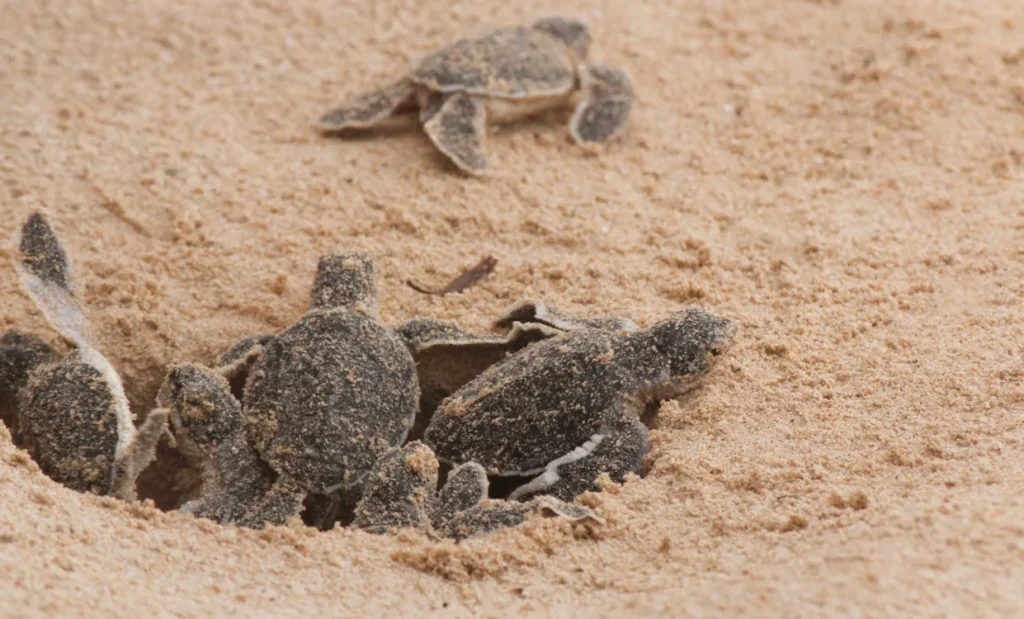
Best months: Nesting peaks June and July. Hatchlings emerge July through October.
Cost: Guided turtle walks run $10 to $20 per person and book out fast (often months in advance). The refuge itself is free to visit during the day.
How to book: Fly into Melbourne (MLB) or Orlando (MCO) in Florida. Stay in Melbourne Beach, Vero Beach, or Sebastian. Reserve turtle walks through the Sea Turtle Conservancy, Brevard Zoo, or Sebastian Inlet State Park.
6. See an Olive Ridley Arribada at Ostional, Costa Rica
This one is for people who want to see something most travelers do not even know exists.
An “arribada” is a mass nesting event where tens of thousands of olive ridley turtles come ashore over a few days. Ostional Wildlife Refuge on Costa Rica’s Pacific coast is one of only a handful of places it happens.
When the arribada is on, the beach looks like the ocean is delivering turtles by the truckload. You can stand there and watch hundreds of them dig nests at once.
It is unpredictable. Arribadas usually start a few days before the new moon, but no one can promise you a date until it begins.
Best months: Arribadas happen year-round but peak from August through December. The rainy season also pulls in more turtles overall.
Cost: Local guides are required and cost around $20 per person. Lodging in Ostional or nearby Nosara runs $40 to $200 per night.
How to book: Fly into Liberia (LIR), then drive 2.5 hours south to Ostional. Local cooperatives at the refuge entrance arrange guides on arrival. Follow the refuge’s Facebook page for arribada start alerts.
7. Swim with Greens in the Seagrass at Akumal Bay, Mexico
“Akumal” literally means “place of the turtles” in Maya, and that was not branding. Green sea turtles graze on the seagrass meadow about 50 meters from shore most mornings.
This is the easiest turtle swim in the western hemisphere. You walk to the beach, wade in to chest-deep water, and you are usually inside ten minutes.
It is also the most regulated. To protect the turtles from being mobbed, snorkeling in the main seagrass area is now guide-only and limited to a daily quota.
Book early in the morning. Crowds and visibility both get worse as the day goes on.
Best months: Year-round, but March through June has the calmest water. June through November is peak nesting season for loggerheads on the same beach.
Cost: Guided snorkel tours from the Akumal Eco Park run around $40 per adult, including the mandatory life vest and certified guide.
How to book: Fly into Cancún (CUN). Akumal is 100 km south, about 90 minutes by car or shuttle. Stay in Akumal Pueblo or Tulum, then book the Akumal Eco Park snorkel directly at the entrance gate or online.
8. Kayak with Turtles at Ningaloo Reef, Australia
If snorkeling is not your thing (water in the nose, fogged masks, all of it), Ningaloo Reef gives you a workaround.
The reef sits a few hundred meters off the beach at places like Coral Bay and Turquoise Bay. You can launch a kayak from the sand and paddle out over crystal-clear, shallow water.
Green turtles, hawksbills, and loggerheads cruise underneath. From above, it is like a glass-bottom boat that you are powering yourself.
You can also just snorkel from the kayak. Stop, slide in, drift over a turtle, climb back up.
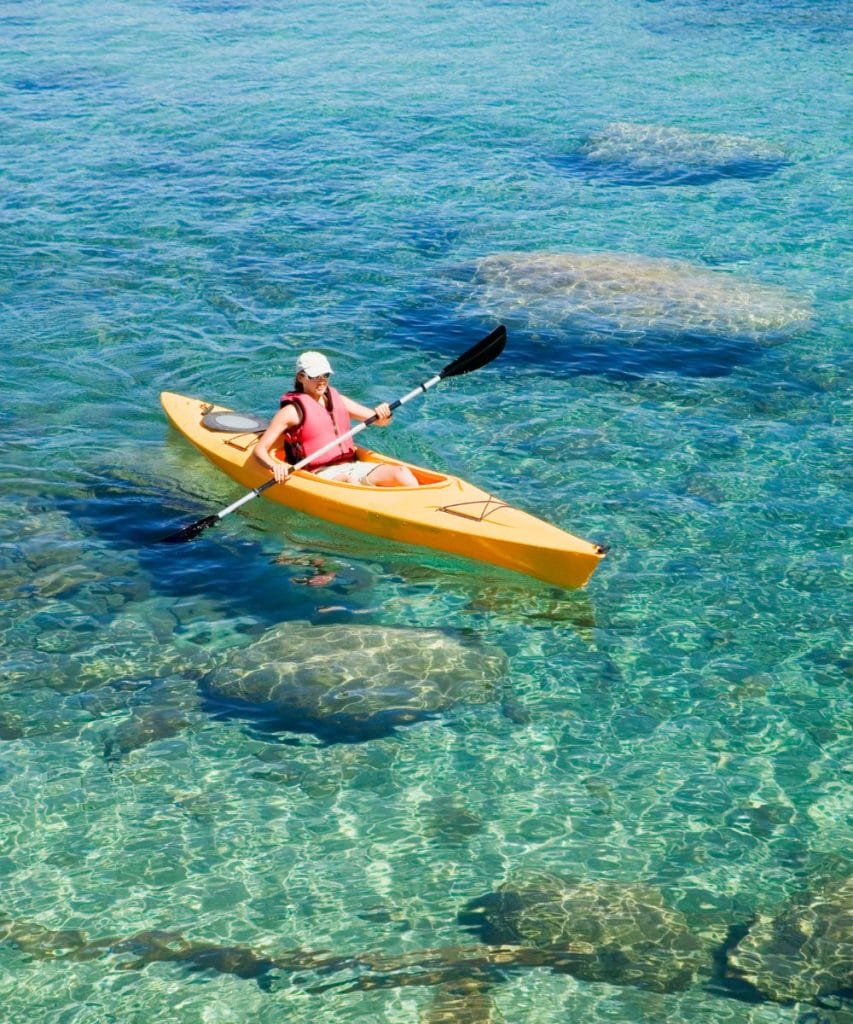
Best months: March through June for the calmest water and best clarity. Whale shark season (mid-March to August) overlaps if you want to combine.
Cost: Kayak hire runs around AUD $30 to $50 per day in Coral Bay. Guided kayak-and-snorkel tours run AUD $80 to $150.
How to book: Fly Perth to Learmonth (LEA), then drive 90 minutes to Exmouth or three hours to Coral Bay. Ningaloo Kayak Adventures and Coral Bay Eco Tours both run guided trips.
9. Volunteer with Loggerhead Hatchlings in Zakynthos, Greece
Some trips you take. Some you work.
Zakynthos and Kefalonia in the Ionian Sea host the largest loggerhead nesting population in the Mediterranean. The problem is the beaches are also packed with sunbathers, beach bars, and umbrellas.
Volunteer programs put you on the front line of that conflict. You walk beaches at dawn, mark new nests, post signs, talk to tourists, and help guide hatchlings to the water.
It is not glamorous work. It is early starts, sand in everything, and a lot of patience explaining what a turtle nest is to people who want to put their umbrella on top of it.
You also get a story most travelers never bring home.
Best months: June through September. Most programs require a minimum two-week commitment.
Cost: Programs through Archelon (the Greek sea turtle protection society) run roughly EUR 200 to 400 per two weeks, which covers shared camping accommodation and training. Flights and food are extra.
How to book: Apply directly through Archelon’s volunteer program. Slots fill 6 to 12 months in advance for peak July and August.
10. See Green Turtles in the Seychelles
The Seychelles is what desktop wallpapers want to be when they grow up.
The water is so clear that snorkeling there sometimes feels like floating in the air. Green sea turtles return to the same beach where they were hatched, which makes the islands a reliable place to spot them year after year.
Cousin Island, a small protected island a short boat ride from Praslin, is one of the best places to see both turtles and seabirds at scale. Aldabra Atoll is the wild card: home to giant tortoises plus green turtle nesting beaches, but only reachable by liveaboard.
For most travelers, basing yourself on Praslin or La Digue gets you the best mix of turtle snorkeling and easy logistics.
Best months: May through September for calmer water and better visibility. Nesting peaks October through February.
Cost: This is not a cheap trip. Mid-range resorts run $300 to $700 per night. Budget guesthouses on La Digue start at $120.
How to book: Fly into Mahé (SEZ), then transfer by ferry or inter-island flight to Praslin or La Digue. Cousin Island day trips run from Praslin for around EUR 70 per person.
Quick Comparison: Which Trip Fits Your Style?
| If you want… | Go to |
|---|---|
| The most reliable, easy turtle sighting | Akumal Bay or Punalu’u, Hawaii |
| To see a nesting turtle in the wild | Tortuguero or Archie Carr Refuge |
| Something most people have never heard of | Ostional arribada |
| To do something useful, not just watch | Zakynthos volunteer program |
| A bucket-list backdrop | Seychelles or Galápagos |
| A budget-friendly turtle trip | Perhentian Islands |
| To skip snorkeling entirely | Ningaloo Reef kayak |
A Note on Ethical Turtle Tourism
Wild sea turtles are protected by law in nearly every country listed here. The fastest way to ruin one of these trips is to mess with the wildlife.
A few rules apply everywhere:
- Keep at least 10 feet of distance. No touching, no riding, no flash photos.
- Do not use white light on nesting beaches at night. Red light only, and only when a guide says so.
- Use reef-safe sunscreen. Most reef damage starts with oxybenzone and octinoxate in regular sunblock.
- Book through licensed local operators. The cheap unlicensed tours are usually cheap for a reason.
Do those four things and you will see more turtles, not fewer, and the populations you came to see will still be there in another decade.

About Author
Muntaseer Rahman started keeping pet turtles back in 2013. He also owns the largest Turtle & Tortoise Facebook community in Bangladesh. These days he is mostly active on Facebook.