10 Best Places to Snorkel With Sea Turtles in 2026 (Maps Included)
This post was created with help from AI tools and carefully reviewed by a human (Muntaseer Rahman). For more on how we use AI on this site, check out our Editorial Policy.
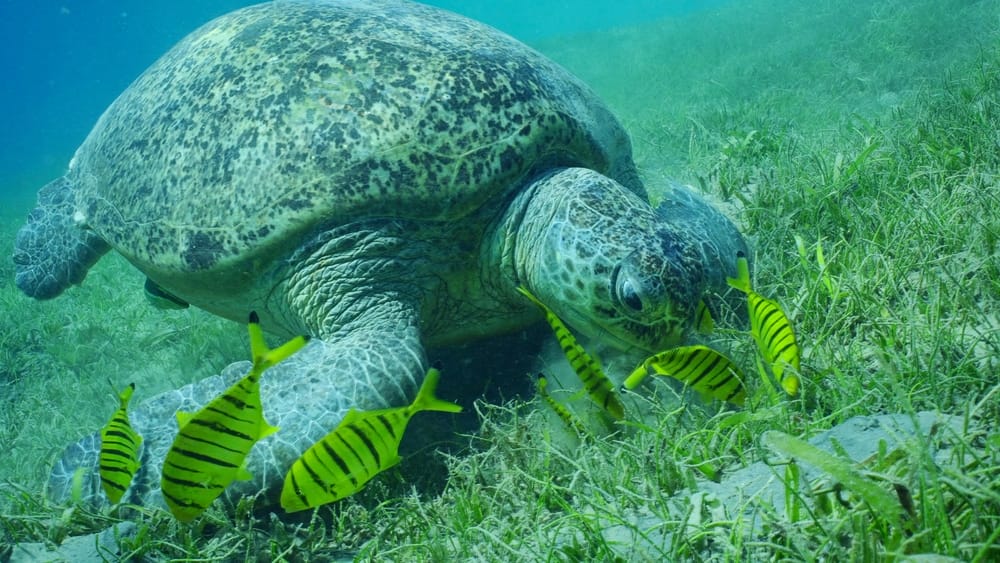
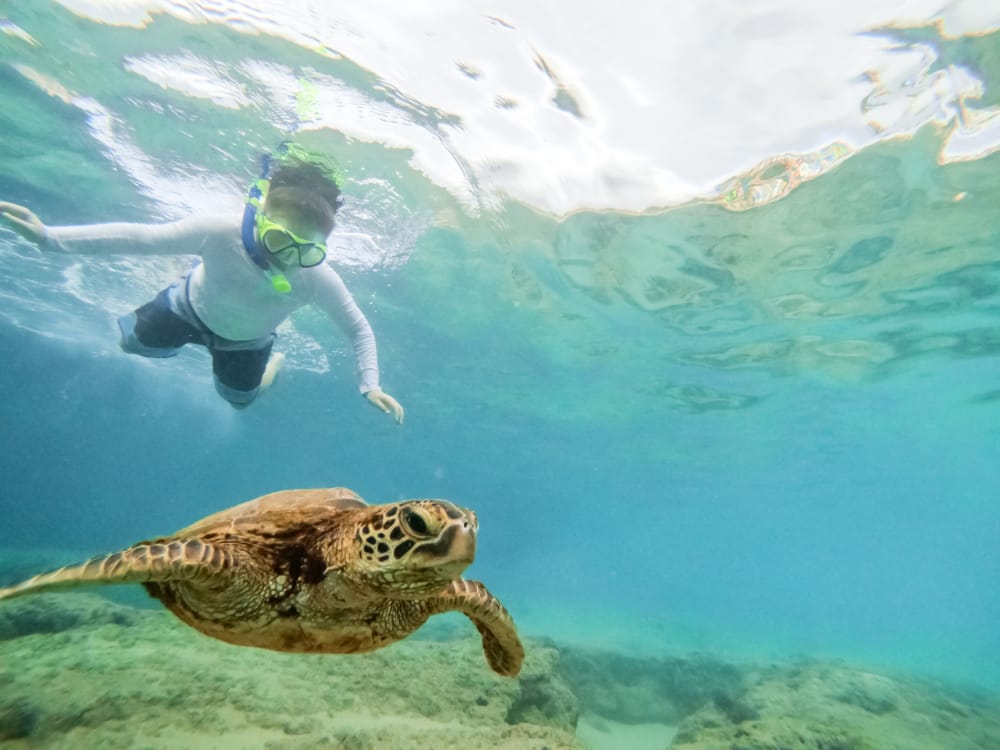
The first time I snorkeled with sea turtles, I forgot to kick. I just floated there while a green turtle the size of a coffee table grazed seagrass three feet from my mask. Total silence except my own breathing.
That moment is the whole reason this guide exists. These 10 destinations are where you go if you want that exact experience without rolling the dice on a generic snorkel tour.
For each spot, you get a pinned map, the species you will see, the best months, and whether you can walk in from the beach or need a boat.
The 10 Spots at a Glance
| Destination | Country | Species | Access | Best Months |
|---|---|---|---|---|
| Akumal Bay | Mexico | Green | Boat + guide (required) | June to October |
| Playa Tamarindo, Culebra | Puerto Rico | Green, Hawksbill | Shore | March to October |
| Spotts Beach, Grand Cayman | Cayman Islands | Green, Hawksbill | Shore | Year-round |
| West Bay Beach, Roatan | Honduras | Hawksbill, Green | Shore | March to September |
| Palancar Reef, Cozumel | Mexico | Hawksbill, Green | Boat | May to September |
| Carlisle Bay | Barbados | Hawksbill, Green | Shore | Year-round |
| Kahekili / Honolua Bay | Maui, Hawaii | Green (Honu) | Shore | April to October |
| Punaluu Black Sand Beach | Big Island, Hawaii | Green, Hawksbill | Shore | Year-round |
| Lady Elliot Island | Australia | Green, Loggerhead | Shore | November to March |
| Floreana / San Cristobal | Galapagos | Green, Hawksbill | Boat | June to November |
Now the details.
Track A Real Sea Turtle With Each Bracelet!


Learn Name
You get to learn your sea turtle’s name, size, age. Also a picture!
Enjoy Stories
Enjoy the story of your sea turtle, where it came from, where is it going?
Follow Me
You get to follow the sea turtle’s journey on an interactive tracking map!
Click Here & Use Coupon Code: THETURTLEHUB20 For A 20% Discount!
Caribbean Heavy-Hitters
1. Akumal Bay (Riviera Maya, Mexico)
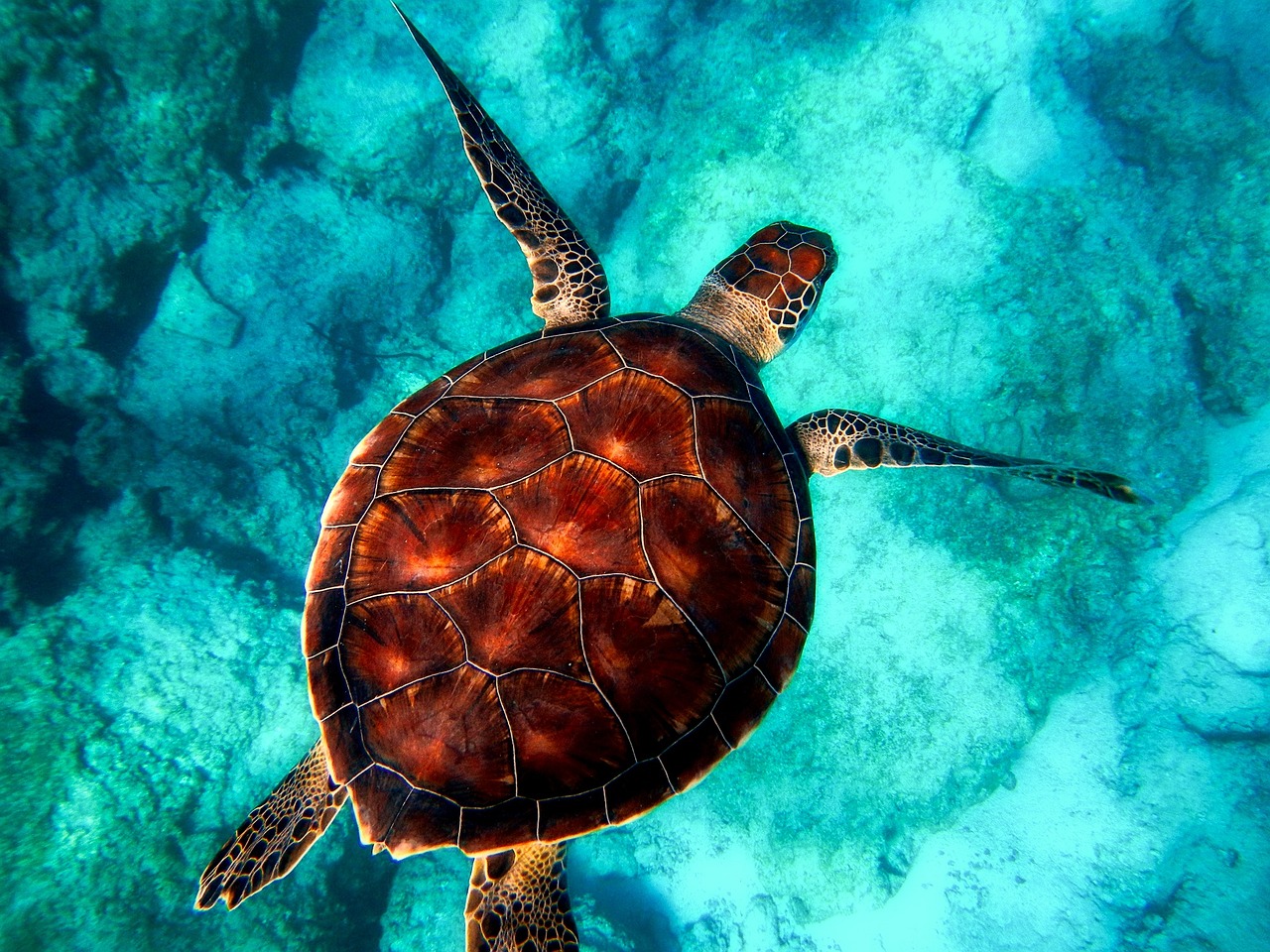
“Akumal” literally means “place of the turtles” in Maya. The seagrass meadow inside the bay is one of the most reliable green turtle feeding grounds in the Caribbean.
Important update: Since 2019, Akumal Bay is a federally protected refuge. You can no longer just wade in from the beach. You need a certified guide, a wristband (around $15 USD), and your in-water time is capped at roughly 30 minutes.
The good news: sightings are basically guaranteed inside that window. Greens here are habituated to swimmers and barely flinch when you drift past.
Best months: June to October. Mornings are calmest, and the bay closes when seas are rough. Reef-safe sunscreen only. They check.
If you want a hotel where you can roll out of bed and walk to the snorkel briefing, see our hotels with sea turtles at the doorstep guide (Akumal Bay Resort sits right on the bay).
2. Playa Tamarindo, Culebra (Puerto Rico)
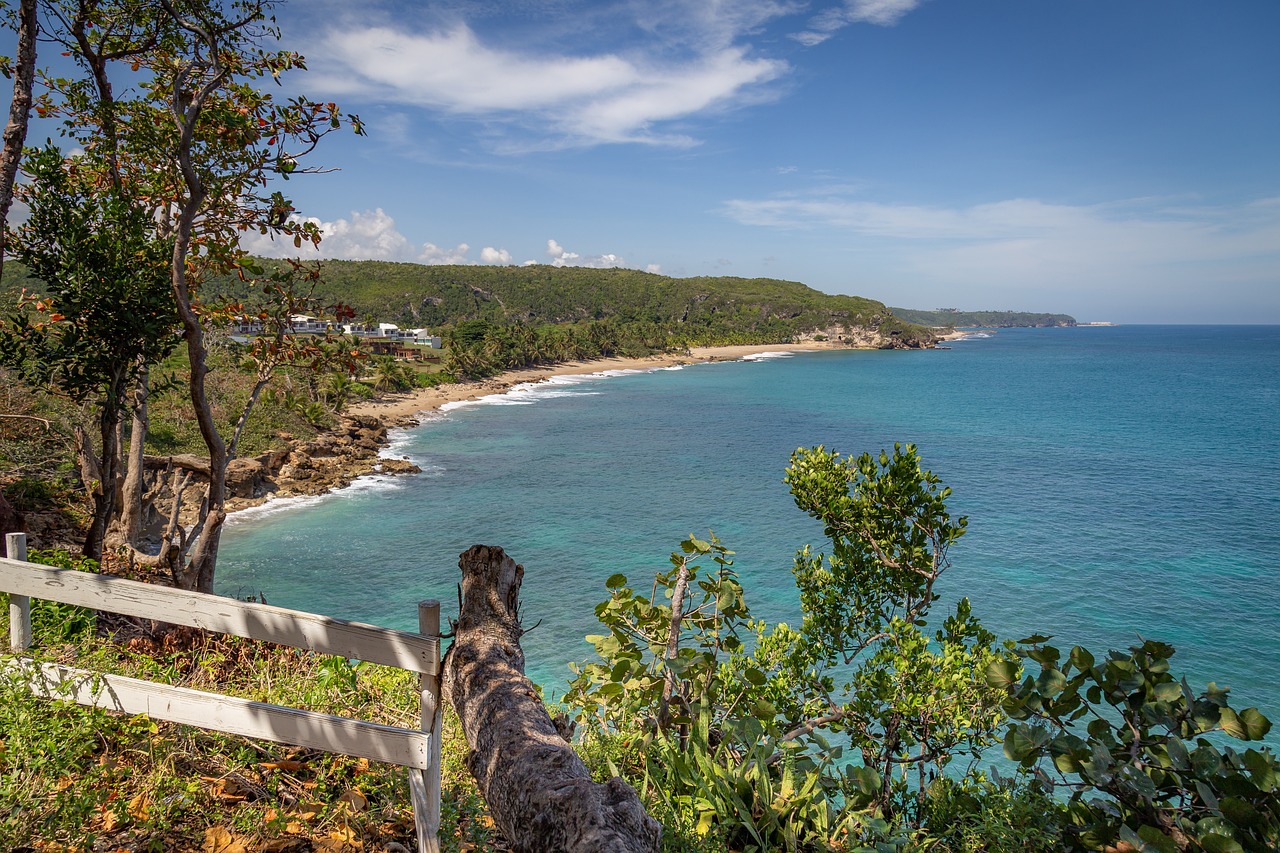
Culebra is a small island off Puerto Rico’s east coast. It feels like the Caribbean before the cruise ships found it.
Playa Tamarindo is the turtle beach. You walk in from shore, no boat needed, and the seagrass beds start within 30 meters of the swim line. Green turtles graze here daily, and the occasional hawksbill works the rocky edges.
Best months: March to October, with calm seas peaking April to June. Many visitors report a sighting inside the first hour.
Bring your own gear. Rental options on the island are slim. The beach has lifeguards and shade trees, which makes it the easiest family pick on this list.
3. Spotts Beach, Grand Cayman
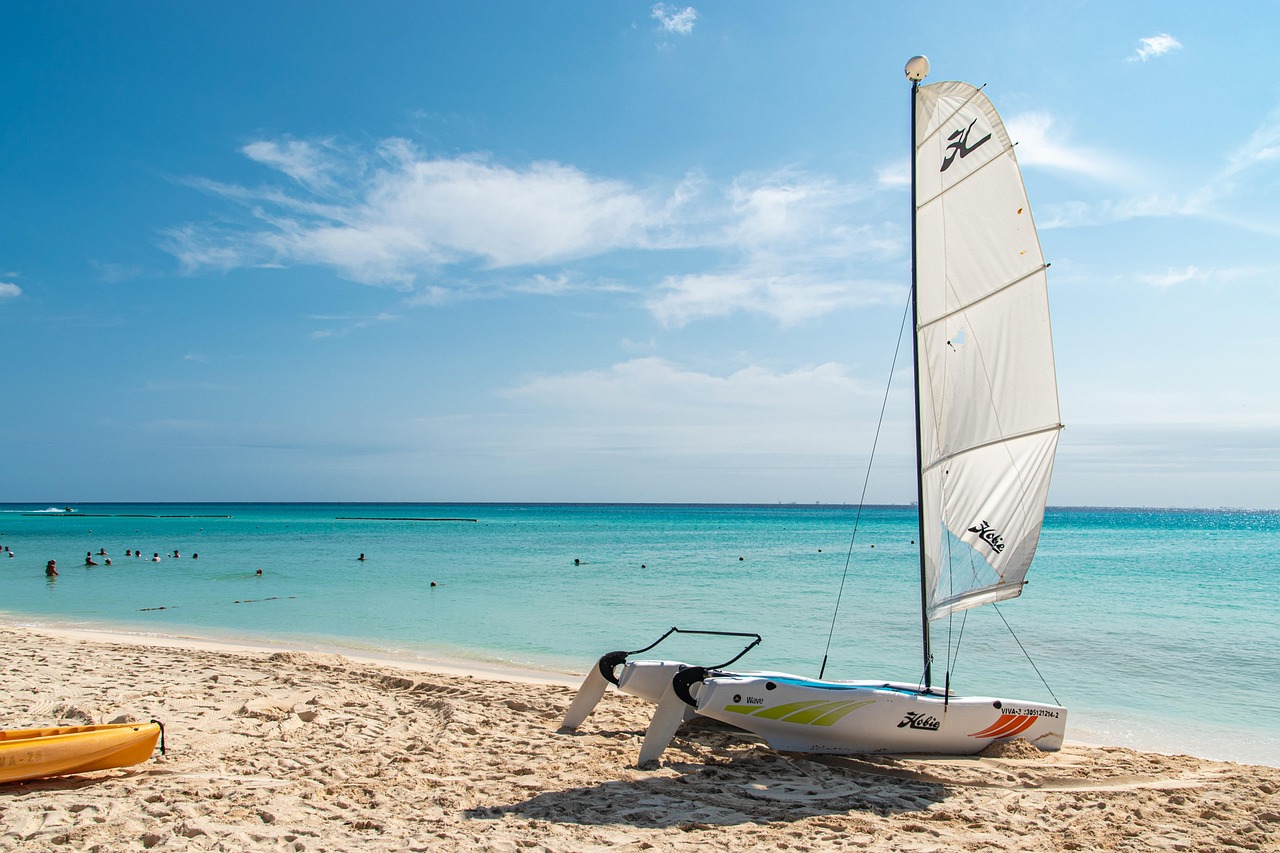
Forget Stingray City for turtles. The real reliable spot on Grand Cayman is Spotts Beach on the south coast.
This is a small public beach with a shallow rocky reef where green turtles come in to feed almost every morning. Locals will tell you to be in the water before 9 AM for the best odds.
Best months: year-round. Cayman has consistent visibility most of the year, with the calmest stretch running May to September.
Access is free and you walk in from the beach. There’s parking, basic facilities, and a small reef just offshore. If you want the stingray experience too, do it as a separate excursion.
4. West Bay Beach, Roatan (Honduras)
Roatan sits on the Mesoamerican Reef, the second-largest barrier reef system on the planet. West Bay Beach is its calmest, shallowest stretch.
The reef starts just past the swim line. Hawksbills work the coral heads, and you’ll see schools of parrotfish, eagle rays, and the occasional nurse shark while you’re looking for turtles.
Best months: March to September. Visibility is highest in the spring dry season. Hurricane season (June to November) is hit or miss, with August being the dicey month.
Snorkel right off the beach, or splurge on a guided drift snorkel along West End Wall for the bigger pelagic encounters.
5. Palancar Reef, Cozumel (Mexico)
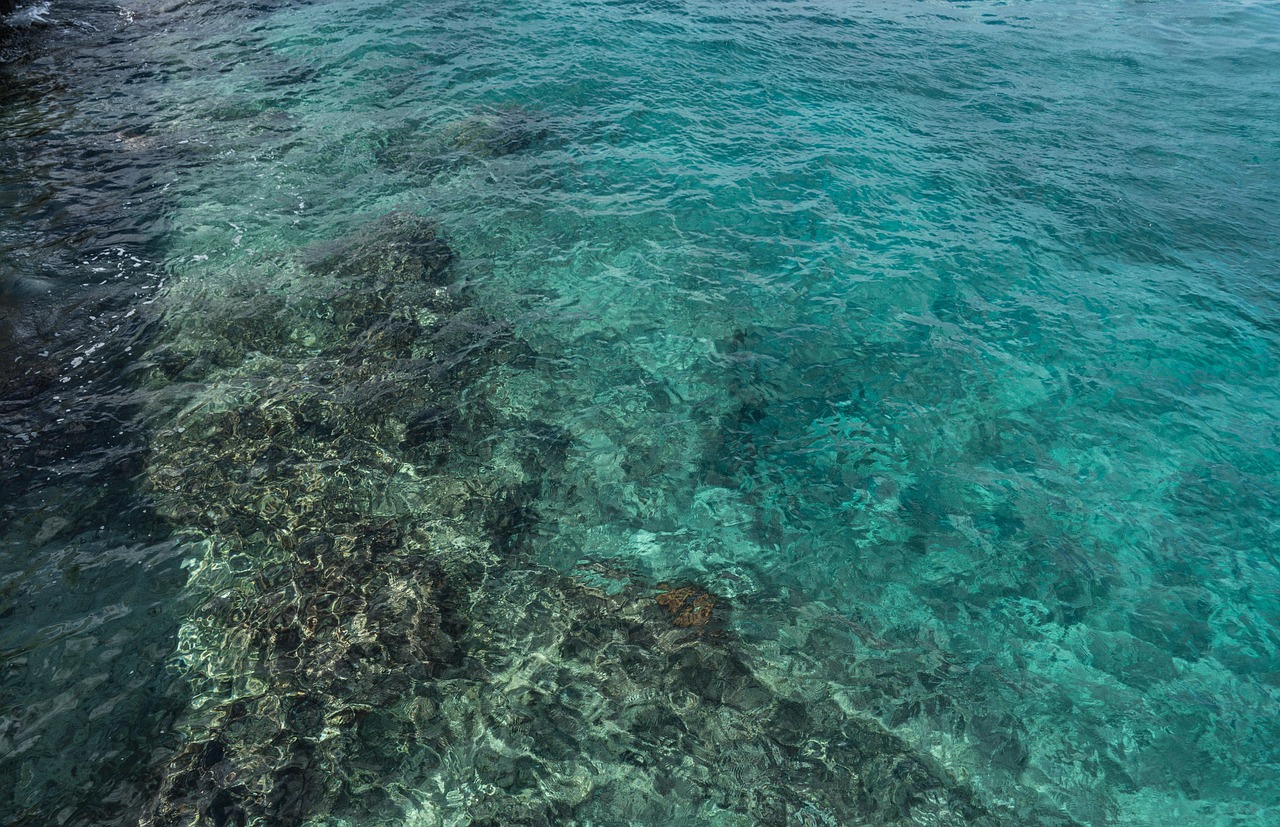
Palancar is a series of reef systems off Cozumel’s southwest coast. This is boat-only, but it’s the most spectacular reef snorkel in Mexico.
Hawksbills and greens are common, and the visibility regularly hits 30 meters. You’ll drift along massive coral walls with the boat following.
Best months: May to September for the calmest seas. Avoid September to October peak hurricane window if you can.
Most cruise excursions stop here. Book independently if you want a smaller group and longer in-water time. Local operators charge half of what the cruise lines do.
6. Carlisle Bay (Barbados)
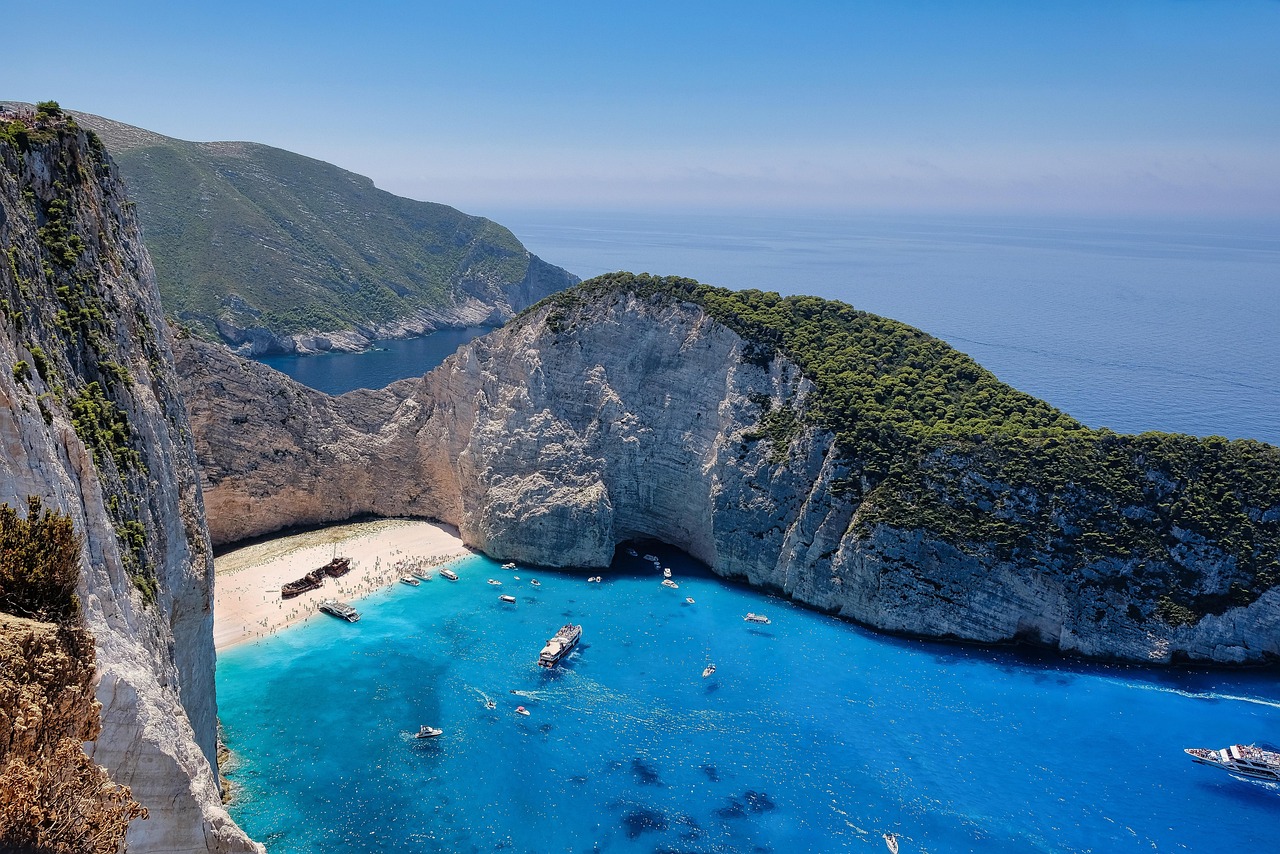
Carlisle Bay is a horseshoe-shaped bay right outside Bridgetown. Six historic shipwrecks are sunk inside the bay as artificial reefs, and hawksbills and greens patrol them daily.
You can swim in from the beach or take a 10-minute boat ride to the deeper wrecks. The combination of reef, wrecks, and resident turtles makes this one of the most underrated spots on the list.
Best months: year-round, but November to April has the calmest seas. Sightings are basically a sure thing on every snorkel.
Several local operators run turtle-focused tours from the Boatyard or the Hilton beach. Sign up day-of, no need to book ahead.
This Hilarious Turtle Book Might Know Your Pet Better Than You Do

Let’s be real—most turtle care guides feel like reading a textbook written by a sleep-deprived zookeeper.
This one’s not that.
Told from the snarky point of view of a grumpy, judgmental turtle, 21 Turtle Truths You’ll Never Read in a Care Guide is packed with sarcasm, sass, and surprisingly useful insights.
And hey—you don’t have to commit to the whole thing just yet.
Grab 2 free truths from the ebook and get a taste of what your turtle really thinks about your setup, your food choices, and that weird plastic palm tree.
It’s funny, it’s honest, and if you’ve ever owned a turtle who glares at you like you’re the problem—you’ll feel seen.
Hawaii’s Resident Greens
7. Kahekili and Honolua Bay (Maui, Hawaii)
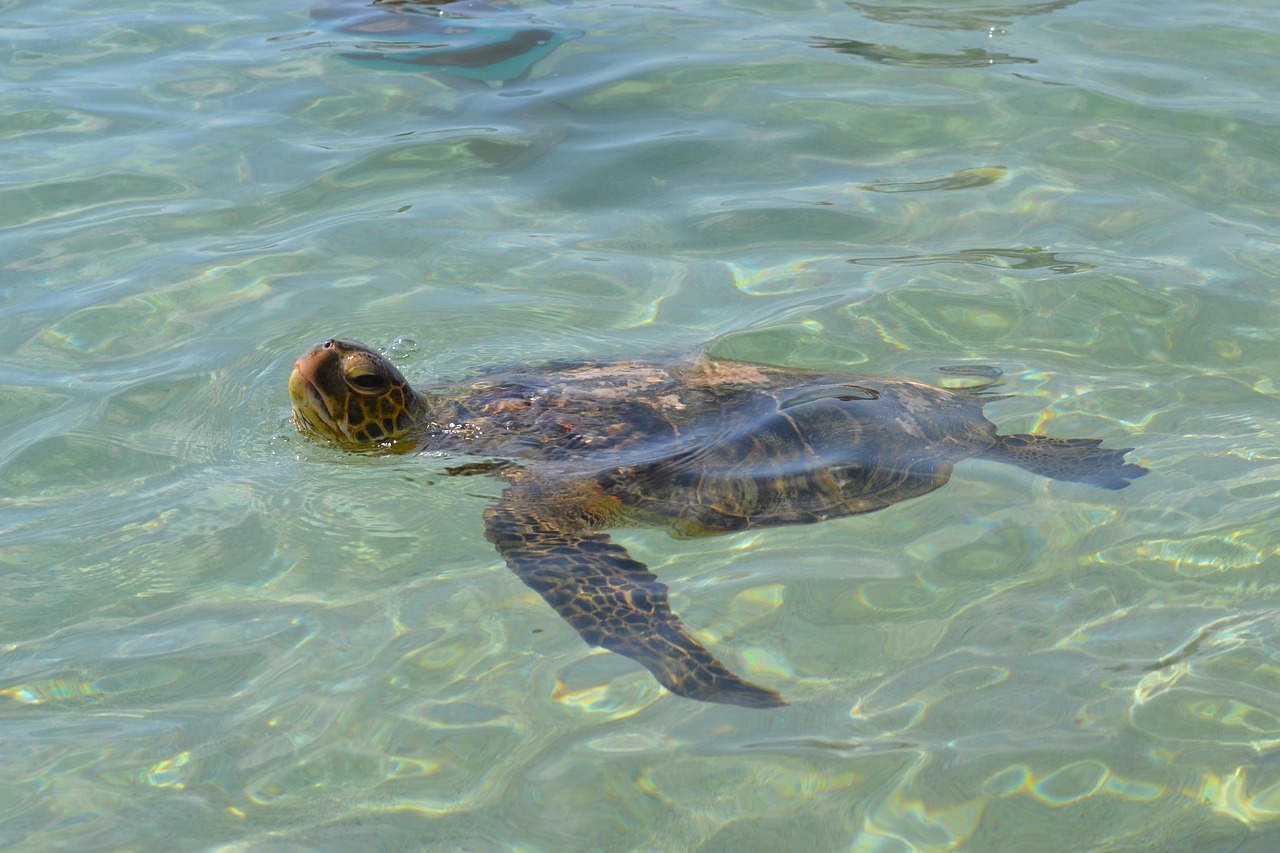
Maui’s west coast is the easiest place in the world to snorkel with green turtles (honu). Kahekili Beach Park is locally called “Turtle Beach” for a reason.
You walk in from the sand, swim 50 meters to the rocky north end, and you’re usually surrounded. Honolua Bay, 20 minutes north, is the rougher, more reef-rich alternative with hawksbills mixed in.
Best months: April to October, when the north shore swells calm down. Winter brings big surf to Honolua, so flip to Kahekili then.
Federal law: stay 10 feet back from any honu, in water or basking. NOAA fines start at a few hundred dollars and go up fast.
If you want the lodging that puts you on this beach, check our Maui hotels right on Kahekili Beach (the Westin Villas sit on this stretch).
8. Punaluu Black Sand Beach (Big Island, Hawaii)
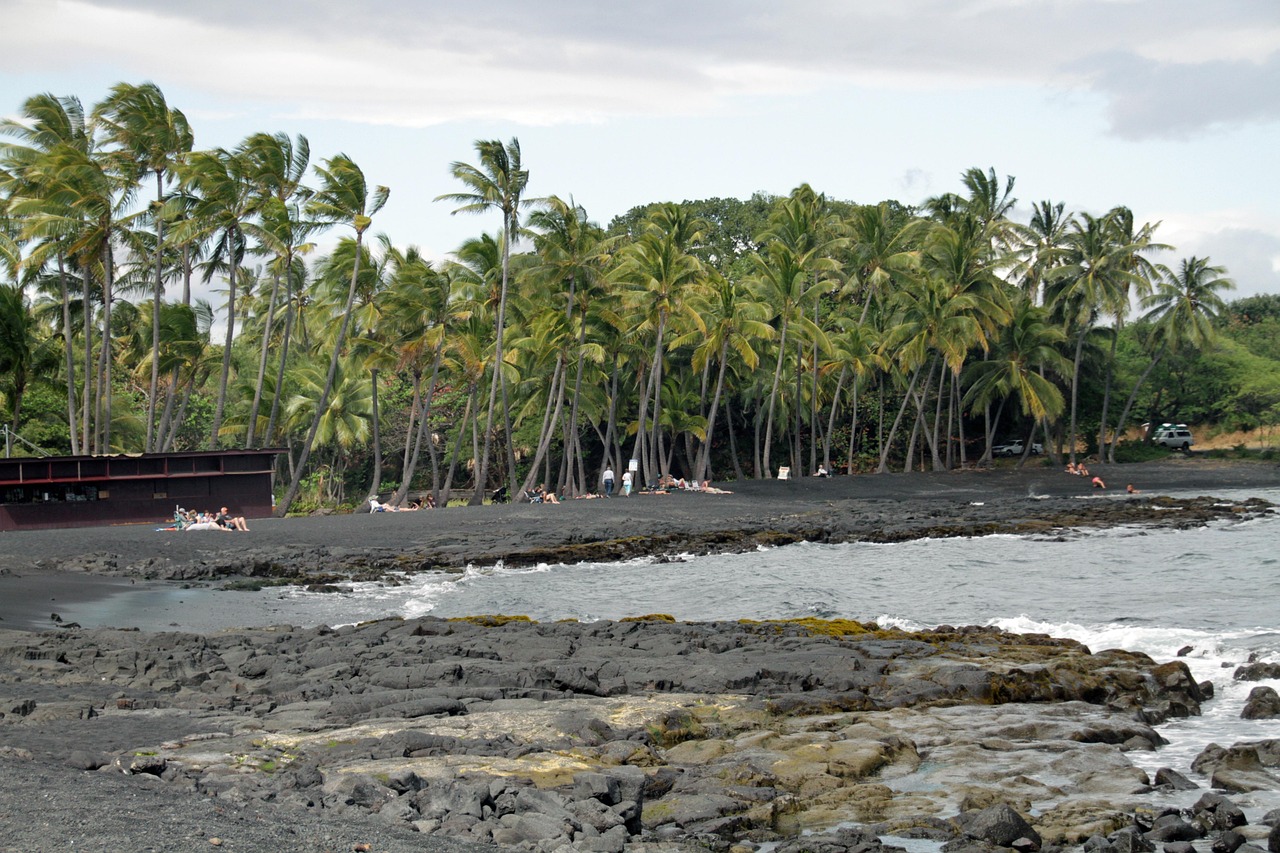
Punaluu is on the Big Island’s south coast, and it’s the spot where Hawaiian green turtles famously haul out to bask on the black volcanic sand.
The snorkeling is decent (greens and the occasional hawksbill in the bay), but the bigger draw is watching turtles sleep on the sand at sunset. Same 10-foot rule applies, even when they’re on land.
Best months: year-round. The water is cooler than Maui because of upwelling, so a 2mm shorty wetsuit is a comfort upgrade.
This is a public county beach with rope barriers around the basking zones. Respect them. Locals are protective, and rangers do issue fines.
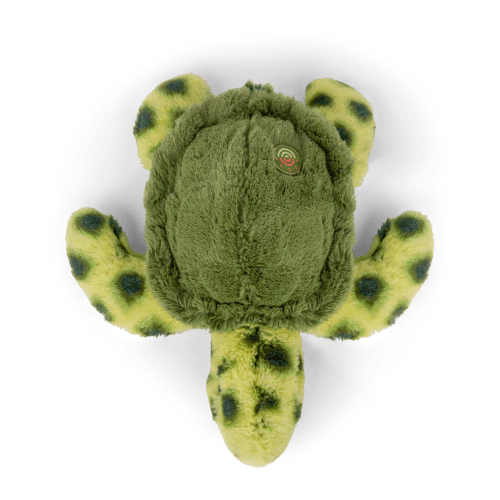
Snuggle a Plush. Track a Turtle.
🧸 + 🌊 = 🐢 A toy that connects you to real sea turtles in the wild.
Meet Your Turtle
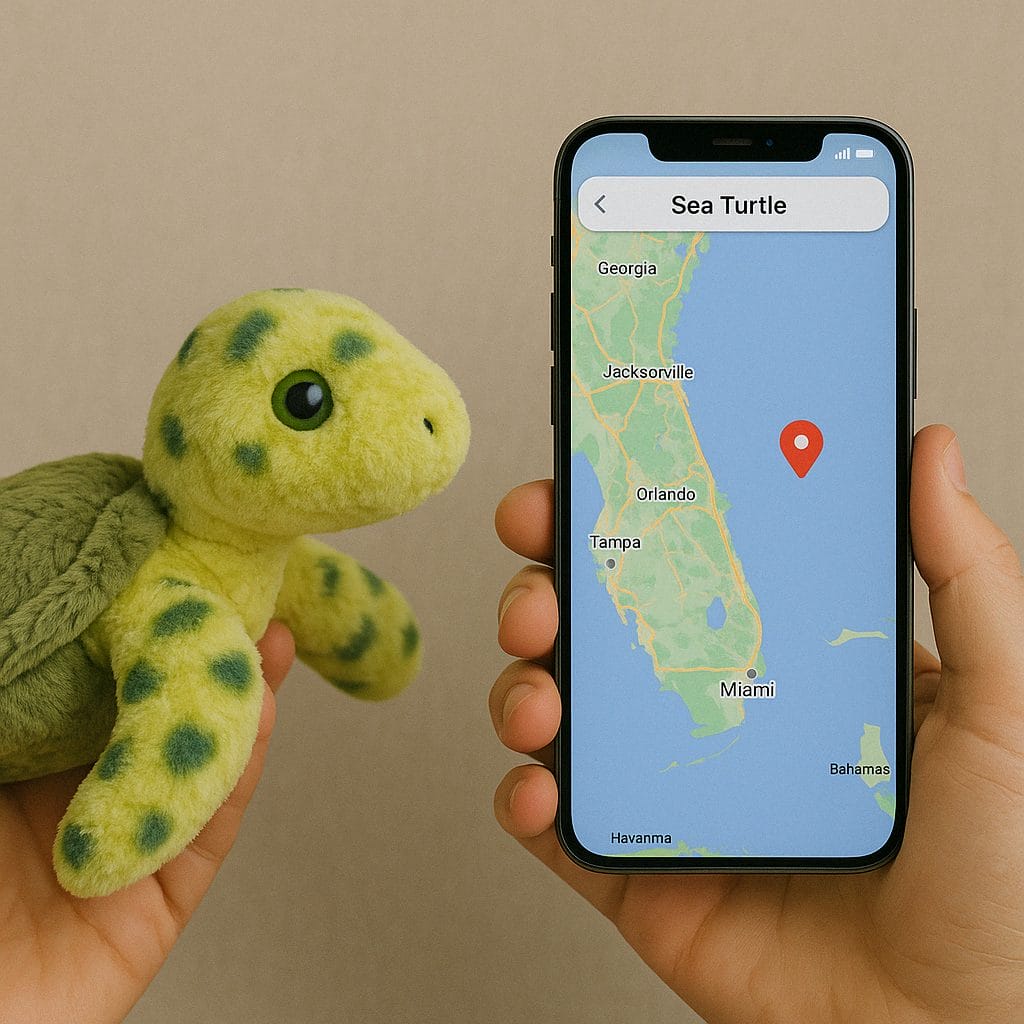
Scan the tag to meet your real sea turtle. Learn its name, species, and see a real photo!
Follow the Journey
Watch your turtle swim across the ocean using the 3D tracking map. It’s like a sea adventure in your pocket.
Support Wildlife
Every plush supports turtle conservation efforts through the Sea Turtle Conservancy.
Click Here & Use Coupon Code: THETURTLEHUB20 For A 20% Discount! (Your hug helps a turtle.)
Bucket-List Beyond the Caribbean
9. Lady Elliot Island (Great Barrier Reef, Australia)
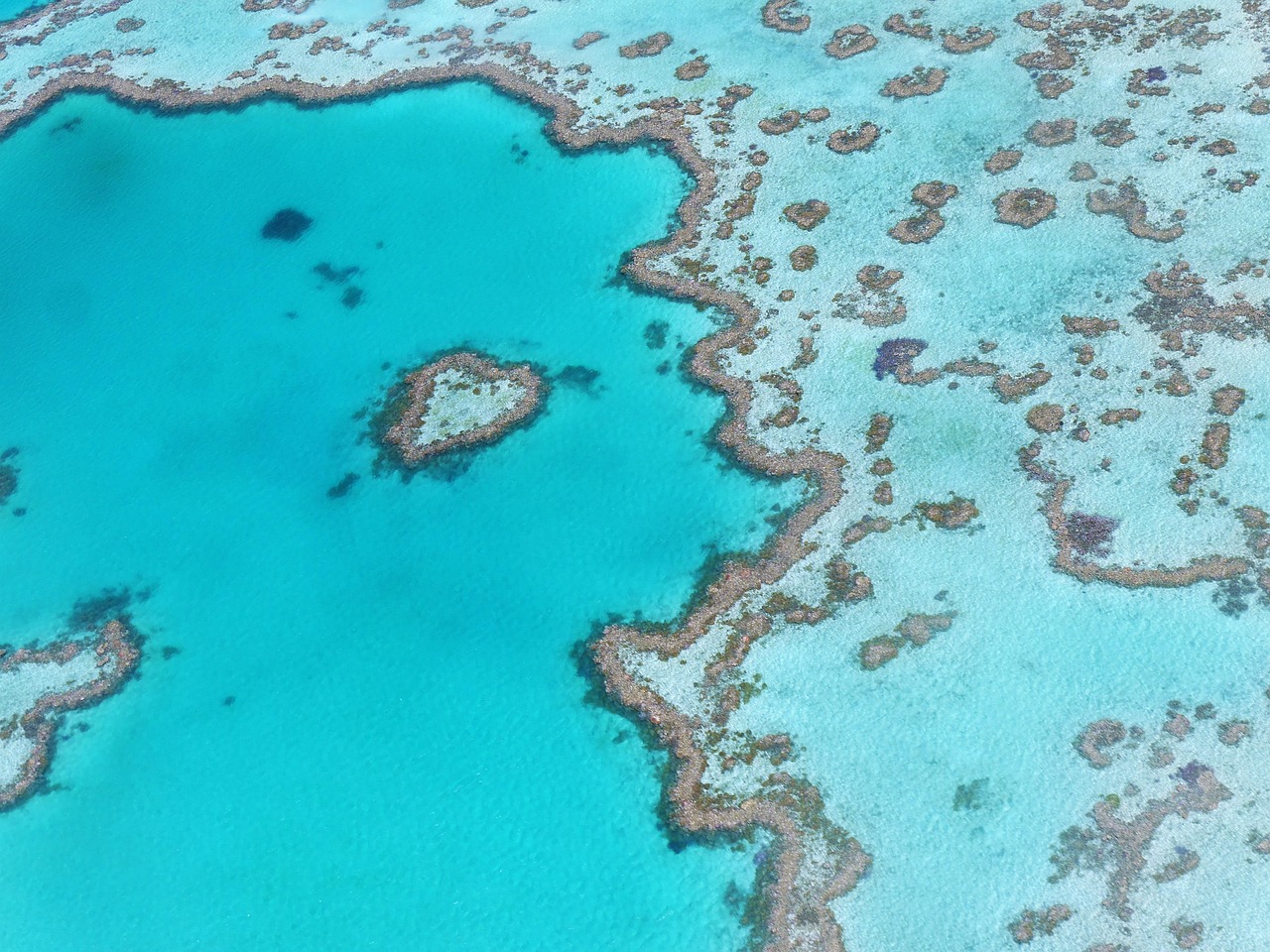
Lady Elliot is a coral cay at the southern tip of the Great Barrier Reef. It’s a green turtle and loggerhead breeding hotspot and a manta ray cleaning station, all in the same lagoon.
You snorkel from the beach into a sheltered lagoon. Turtles, rays, and reef sharks are routine. The island is tiny (only one small eco-resort), so reef pressure stays low.
Best months: November to March for nesting season (turtles laying eggs on the beach at night) and warm water. Manta encounters peak May to August.
Access is by light aircraft from Bundaberg or Hervey Bay. It costs more than the Caribbean spots on this list, and it’s worth every dollar.
10. Floreana and San Cristobal (Galapagos, Ecuador)
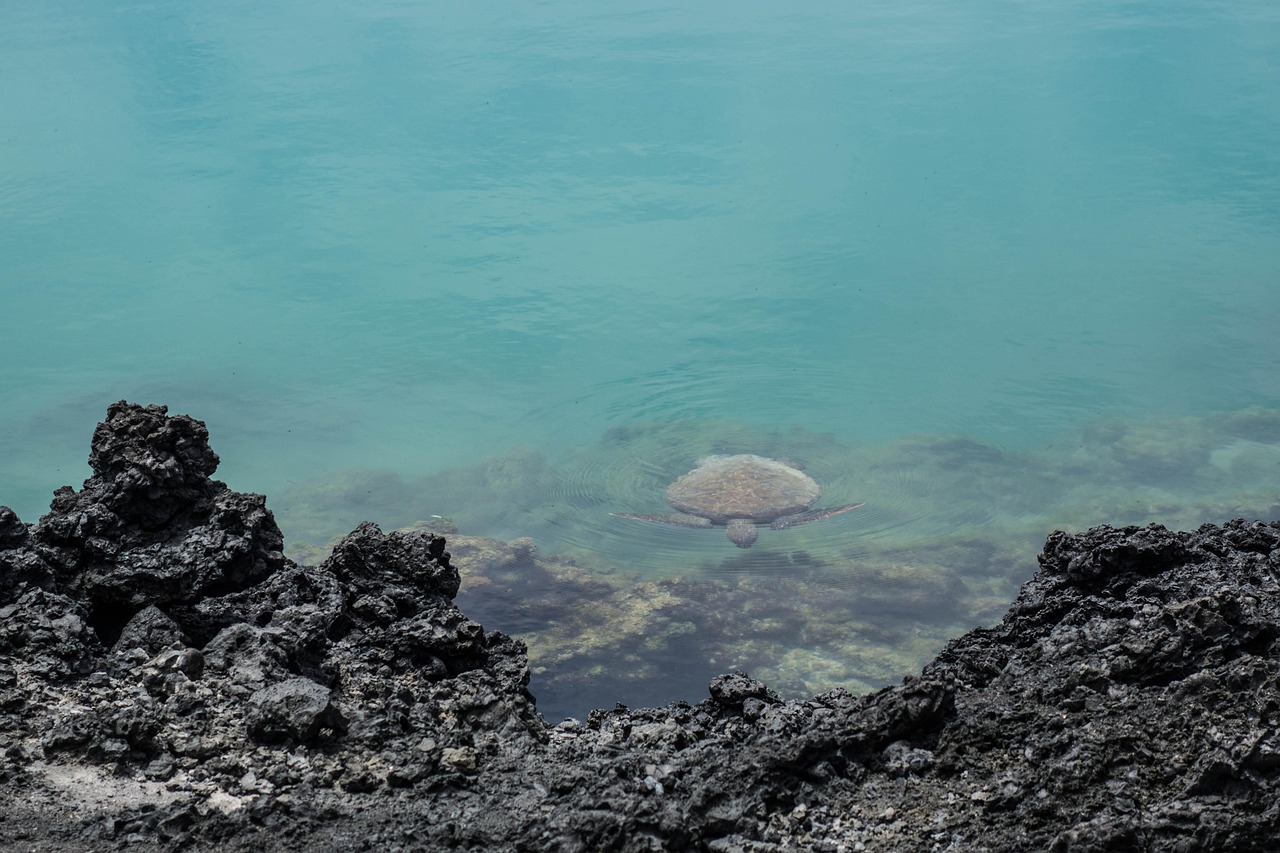
The Galapagos is the rare destination where turtles are part of an ecosystem so dense it feels like a nature documentary. Greens are the most common, and you’ll often see them alongside sea lions, marine iguanas, and Galapagos sharks.
The two best snorkel bases are Floreana (Punta Cormorant) and San Cristobal (Kicker Rock). Both are boat-access from the main island hubs. Tours run morning and afternoon.
Best months: June to November for cool, nutrient-rich water and the highest density of pelagic life. December to May is warmer and clearer if you prefer easier conditions over big animal counts.
This is the most expensive trip on the list (Galapagos entry fees, mandatory guides, boat charters), but it’s also the only one where you’ll snorkel with a marine iguana feeding next to a turtle.
How to Pick the Right Spot
Three questions to ask yourself before you book.
One. Walk-in or boat?
If you want to roll out of the hotel and snorkel within five minutes, pick Kahekili, Spotts Beach, Tamarindo, Roatan, or Carlisle Bay. If you don’t mind a boat ride for bigger payoff, pick Palancar, Lady Elliot, or Galapagos.
Two. Beginner or experienced?
Akumal, Tamarindo, Carlisle Bay, and Kahekili are bathtub-easy. Honolua, Palancar, and Galapagos have currents that reward swimmers who are comfortable in open water.
Three. Guaranteed sighting or wider ecosystem?
If you just want to see a turtle, Akumal is the safest bet on the planet. If you want turtles plus reef sharks plus rays plus mantas, Lady Elliot or Galapagos is the answer.
A Few Rules That Are Not Optional
No touching, no chasing, no riding. This is a federal crime in the US (Endangered Species Act) and a fast way to get fined or banned in most of the destinations above.
Stay 10 feet back. Hawaii’s rule applies in practice almost everywhere. Turtles do not need a hug. They need space to breathe.
Reef-safe sunscreen only. Oxybenzone and octinoxate kill the reefs the turtles feed on. Buy mineral sunscreen (zinc or titanium) before you fly. Some destinations charge tourist prices for it on-site.
No flash photography, no white lights at night. Especially during nesting season. Lights disorient mothers and hatchlings.
Tips for the Best Snorkel Day
- Go early. Most reefs are calmest and clearest before 10 AM. Turtles also feed more actively in the morning.
- Float, don’t kick hard. The less you splash, the closer they come. Sudden movements scare them off.
- Bring your own mask. Rental masks fog half the time. A $30 personal mask is the best snorkel investment you can make.
- Pack reef-safe sunscreen and a rash guard. A long-sleeve rash guard means you can stay in for hours without burning your back.
- Look up “tide tables” for the day. Slack tide is when visibility peaks. Outgoing currents pull silt onto the reef.
So Where Do You Start?
If this is your first time, pick Kahekili (Maui) or Akumal. Easy access, near-guaranteed sightings, and you’ll be hooked.
If you’ve already snorkeled with turtles and want the next level, go to Lady Elliot or Galapagos. They are pricier, but you walk away with stories nobody else has.
For the wider picture of where turtles live and which beaches double as nesting hotspots, see our full guide to swimming with sea turtles. If you want adventures beyond snorkeling, 7 turtle adventures most travelers don’t know exist covers kayaking, volunteering, and night nesting walks.
Pack the mask, book the flight, and respect the 10 feet.

About Author
Muntaseer Rahman started keeping pet turtles back in 2013. He also owns the largest Turtle & Tortoise Facebook community in Bangladesh. These days he is mostly active on Facebook.