Toxic Plants for Tortoises: 40+ Dangerous Plants Every Owner Must Know
This post was created with help from AI tools and carefully reviewed by a human (Muntaseer Rahman). For more on how we use AI on this site, check out our Editorial Policy.
Your tortoise has absolutely zero survival instinct when it comes to plants.
Dogs at least sniff something weird and back off. Cats act offended by anything that isn’t tuna. But a tortoise? It will walk straight up to one of the deadliest plants in your garden and start chomping like it’s a salad bar.
That’s the terrifying part. Tortoises don’t have a built-in filter for “don’t eat that.” And because they graze slowly and quietly, by the time you notice something’s wrong, they’ve already eaten enough to cause serious damage.
Some of the plants on this list can kill a tortoise in small amounts. Others cause cumulative damage over weeks. A few are so common that you probably have them in your garden right now without even thinking twice.
This is the list every tortoise keeper needs to memorize.
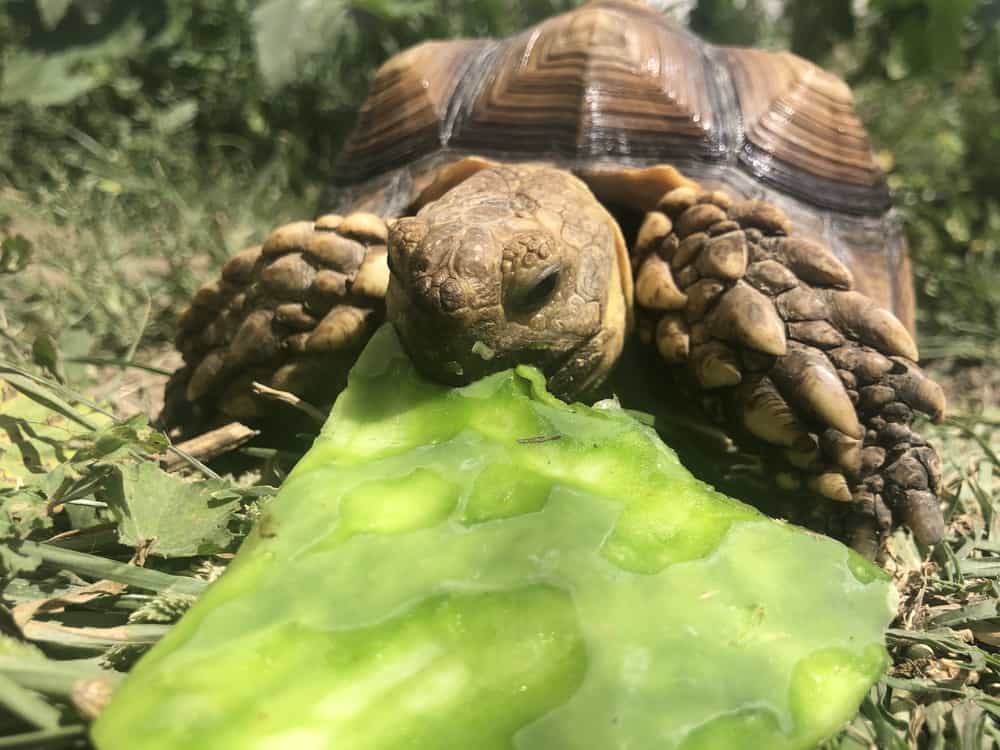
Worried a plant might be toxic? Use our free Tortoise Plant Safety Checker to find out instantly.
Why Tortoises Can’t Just “Avoid” Toxic Plants
Before we get into the list, here’s something that surprises a lot of new keepers: tortoises have almost no instinct for avoiding poisonous plants.
In the wild, most tortoise habitats don’t have many of the ornamental and garden plants we grow at home. So they never evolved a defense against them. When you put a tortoise in a garden or outdoor enclosure, everything looks equally edible to them.
There are documented cases of tortoises dying after eating buttercups, daffodils, and foxgloves — plants you’d never think of as a threat. They just wandered over and ate them like any other leaf.
The only safe approach is to remove every toxic plant from any area your tortoise can reach.
The Big List: 40+ Toxic Plants for Tortoises
I’ve organized these by how they cause harm, which also gives you a sense of how dangerous each one is.
Cardiac Glycoside Plants (the “Heart Attack” Group)
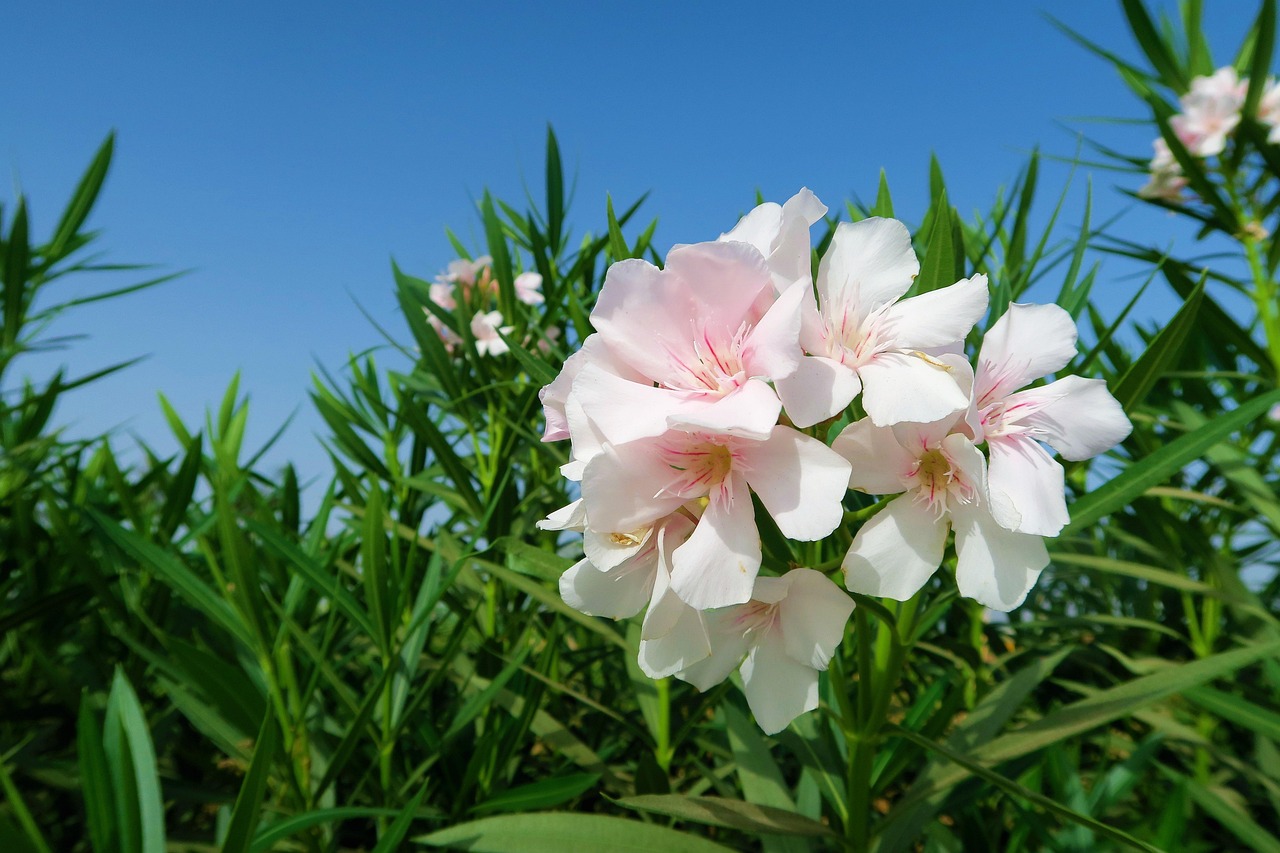
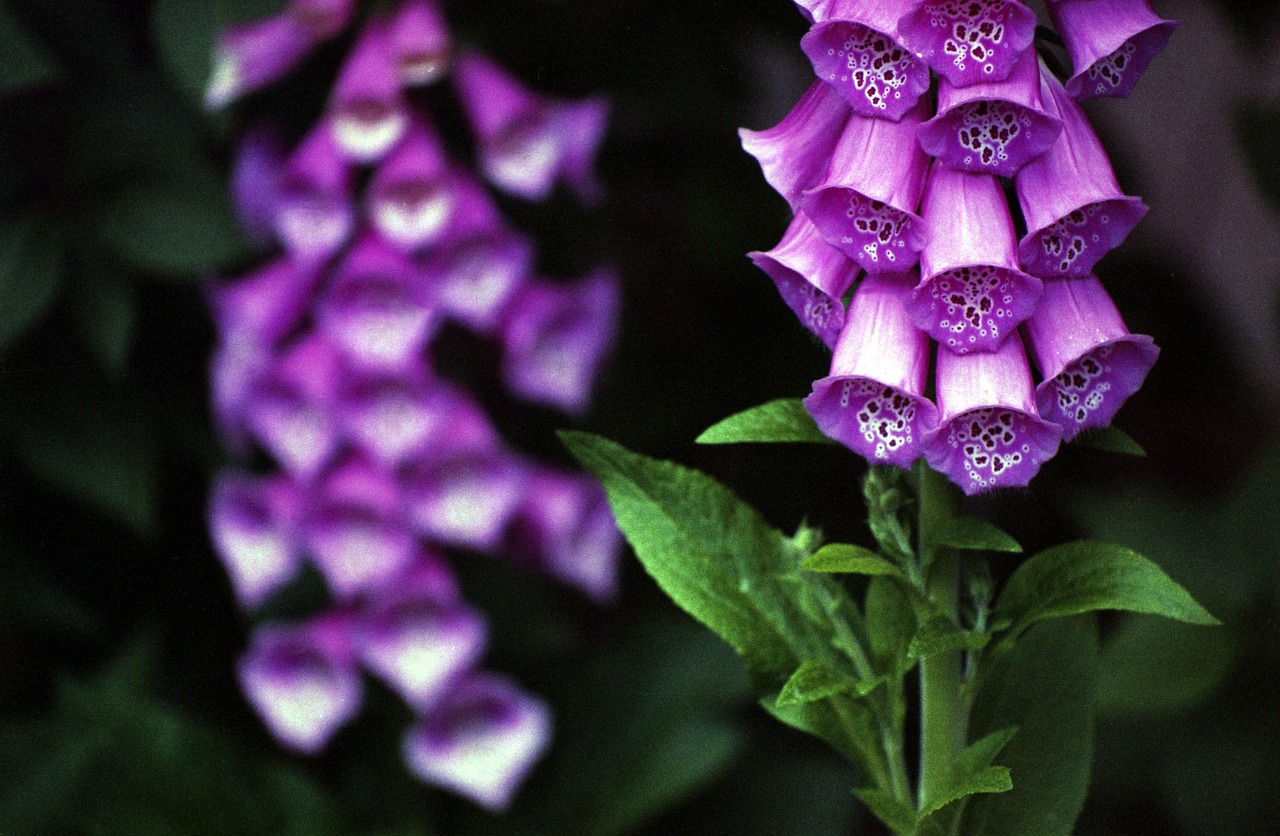
These are the scariest ones. Cardiac glycosides are compounds that interfere directly with the heart’s electrical signals. Even small amounts can cause heart arrhythmias, failure, and death.
| Plant | Also Known As | Notes |
|---|---|---|
| Oleander | Nerium oleander | Extremely toxic — one of the most dangerous garden plants on earth. Every part is lethal, including the smoke if you burn it |
| Foxglove | Digitalis purpurea | The drug Digoxin (used in human heart medicine) comes from this plant — that’s how potent the compounds are |
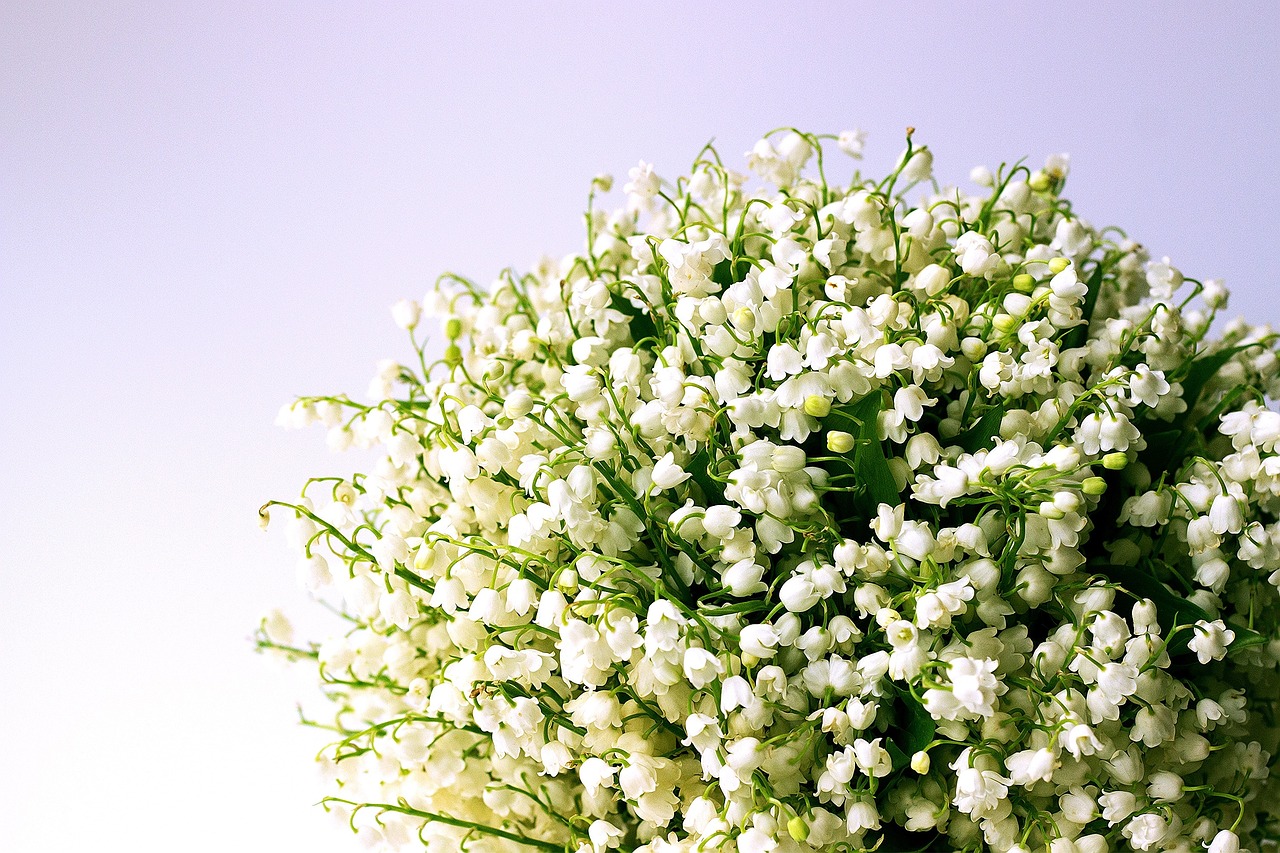
| Lily of the Valley | Convallaria majalis | Delicate and pretty. Also capable of stopping a heart |
| Milkweed | Asclepias spp. | Great for monarchs, terrible for tortoises |
| Rhododendron | — | Common in gardens everywhere. Highly toxic across all species |
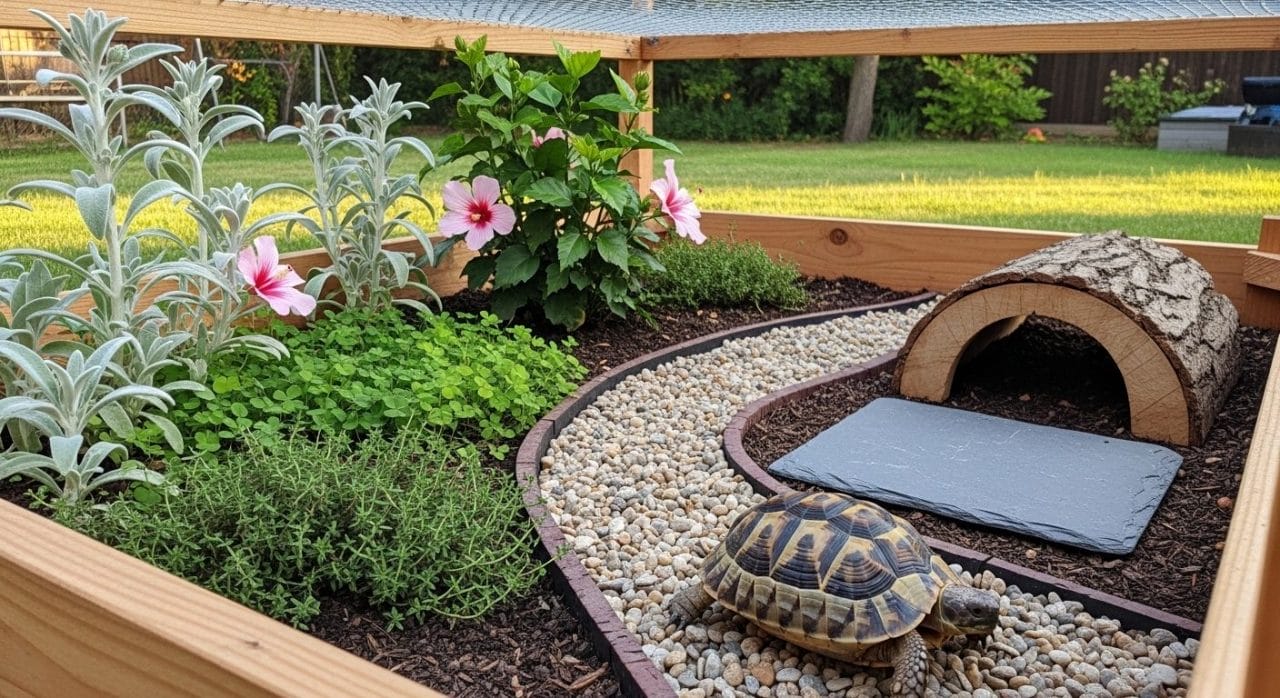
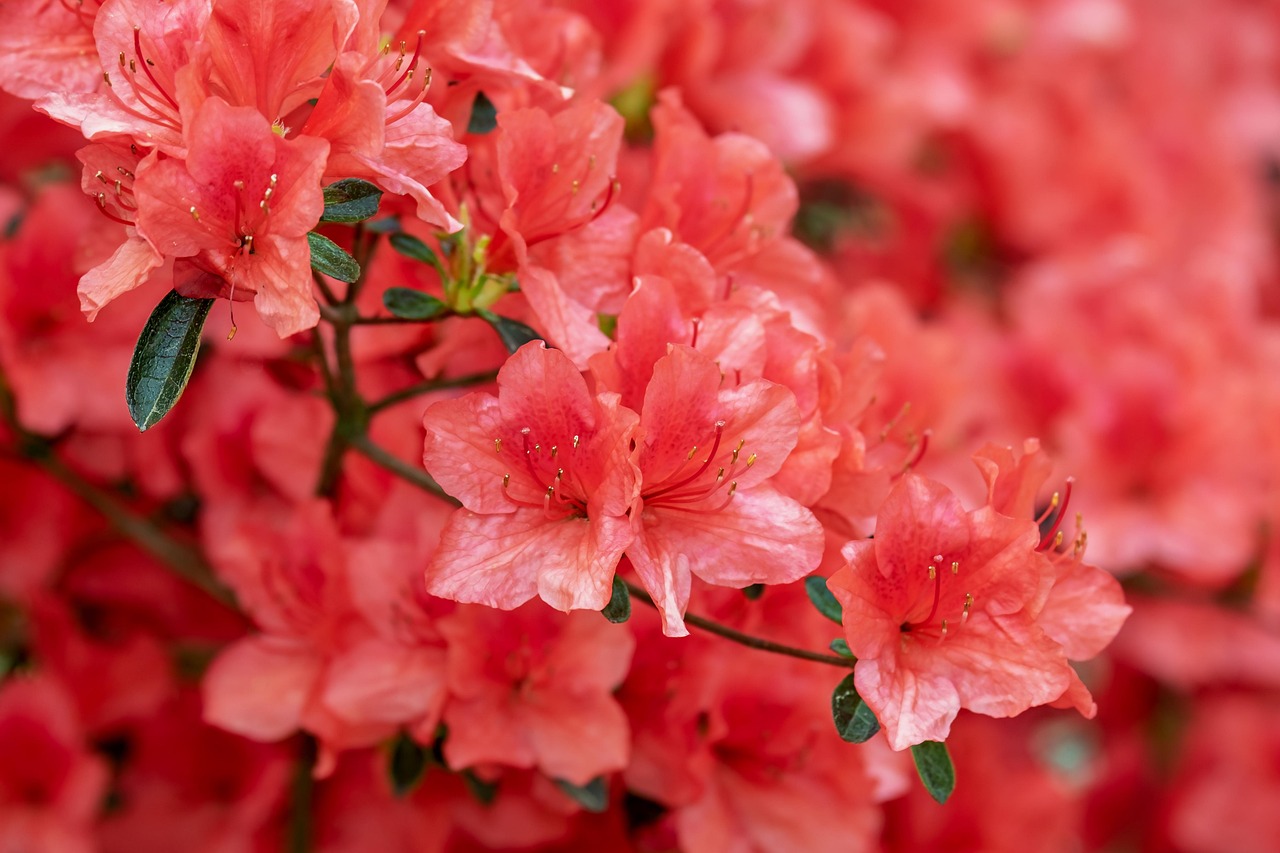
| Azalea | — | Same family as rhododendron. Same risk |
| Kalanchoe | — | Popular houseplant. Dangerous if your tortoise roams indoors |
Alkaloid Plants (the Nervous System Group)
Alkaloids attack the nervous system and can cause tremors, paralysis, and respiratory failure. This group includes some of the most infamous poisons in history.
| Plant | Also Known As | Notes |
|---|---|---|
| Deadly Nightshade | Belladonna, Atropa belladonna | The name really does tell you everything |
| Hemlock | Conium maculatum | The plant that killed Socrates. Grows wild in many areas |
| Monkshood | Aconite, wolfsbane | Beautiful purple flowers. Fast-acting and extremely dangerous |
| Henbane | Hyoscyamus niger | A weed that shows up uninvited. Keep an eye out |
| Delphinium | Larkspur | Common in cottage gardens. Toxic to tortoises throughout the plant |
| Lupine | Bluebonnet | The seeds are especially dangerous |
| Tobacco | Nicotiana | Yes, the actual plant. Very toxic if your tortoise gets near it |
| Columbine | Aquilegia | Pretty wildflower, but the seeds and roots are particularly toxic |
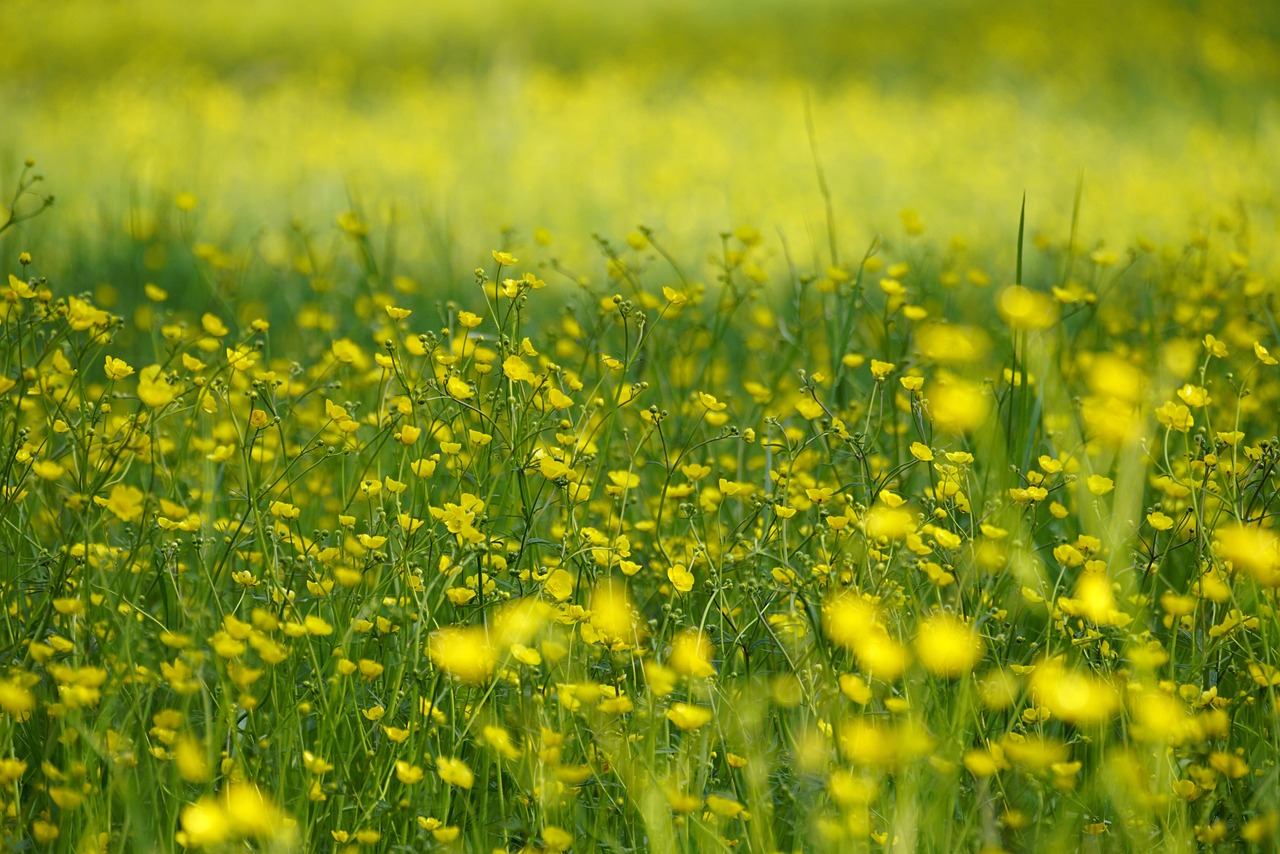
| Buttercup | Ranunculus | This one surprises people. Very common, and tortoises have died from it. The toxin protoanemonin is released when the plant is chewed |
| Poppy | Papaver | Opium-related compounds. Not safe in any quantity |
Oxalate Plants (the Calcium Thief Group)
Oxalates are sharp microscopic crystals that cause immediate irritation in the mouth and throat, plus they interfere with calcium absorption over time. Calcium deficiency in tortoises is already a common problem — these plants make it much worse.
| Plant | Also Known As | Notes |
|---|---|---|
| Rhubarb | — | The stalks are fine for humans. The leaves are toxic for tortoises (and humans in large amounts). High oxalic acid content |
| Elephant Ear | Taro, Colocasia | A landscaping favorite. The calcium oxalate crystals cause immediate burning |
| Caladium | — | Colorful tropical houseplant. Same oxalate mechanism as elephant ear |
| Jack-in-the-Pulpit | Arisaema | Native wildflower. Intensely irritating oxalates throughout |
| Dumbcane | Dieffenbachia | Common indoor plant. Causes swelling of the mouth and throat |
Bulb Plants (the Whole-Plant Danger Group)
With bulb plants, the whole thing is toxic, but the bulbs themselves are especially concentrated with toxins. Any tortoise with access to a garden can dig into these.
| Plant | Notes |
|---|---|
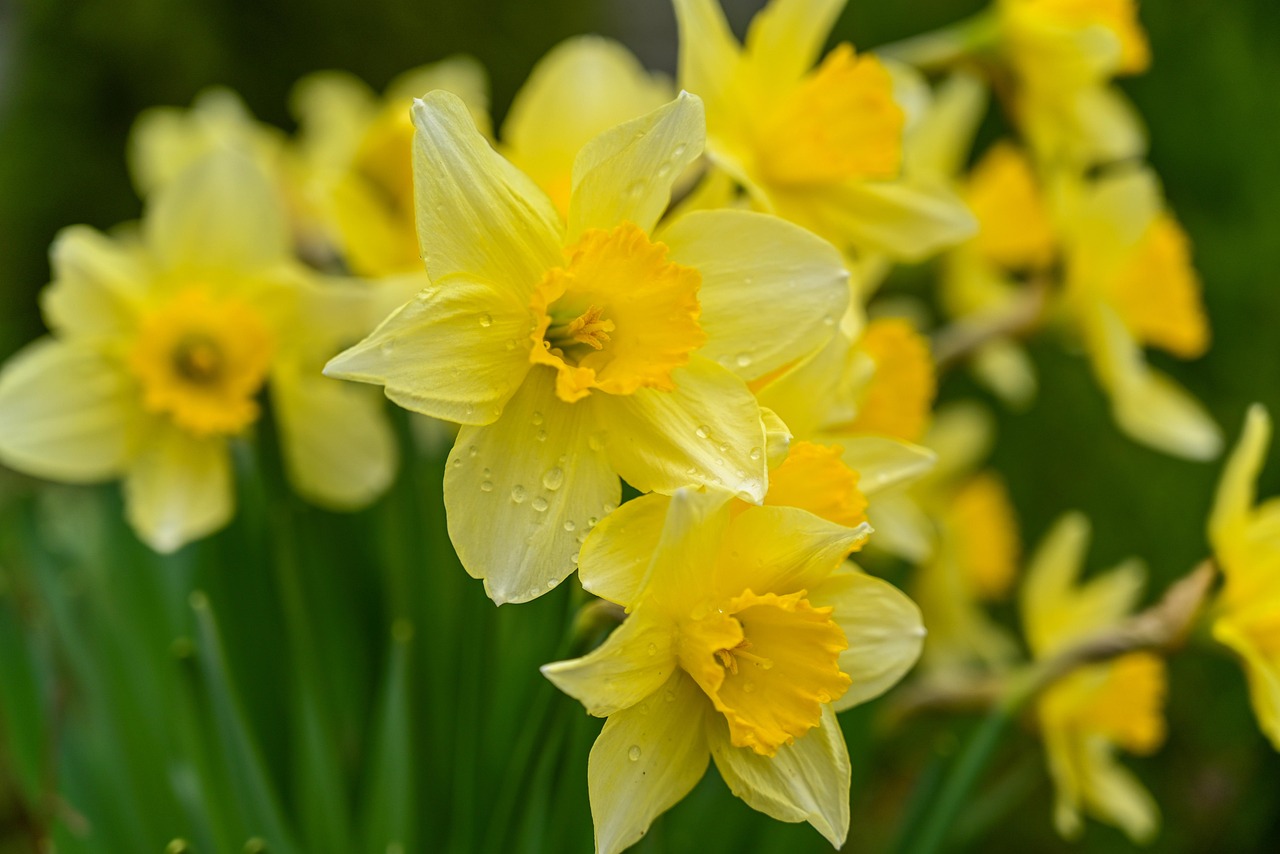
| Daffodil / Narcissus | Tortoises have died from this one. Bulbs are especially dangerous, but the whole plant is toxic |
| Hyacinth | All parts, bulb especially |
| Tulip | Bulb contains the highest concentration |
| Amaryllis | Causes vomiting, tremors, low blood pressure |
| Iris | Rhizomes and leaves both toxic |
| Crocus | Especially autumn crocus (Colchicum) — can be fatal |
Common Garden Plants You Might Not Suspect
These are the ones that catch keepers off guard because they’re so normal to have around.
| Plant | Notes |
|---|---|
| Tomato | The fruit is fine, but leaves, stems, and the green parts contain solanine — toxic |
| Potato | Same family as tomato. Leaves and green skin contain solanine |
| Avocado | The persin in the leaves is toxic to many animals, including tortoises |
| Wisteria | The seeds and pods are toxic. The whole plant should be off-limits |
| Lantana | Colorful and popular in warm climates. Toxic berries and leaves |
| Morning Glory | Seeds contain compounds similar to LSD — and yes, they’re dangerous |
| Hydrangea | Contains cyanogenic glycosides. Not as dramatic as oleander, but still a risk |
Woody Plants and Shrubs to Remove
| Plant | Notes |
|---|---|
| Holly | Berries and leaves both toxic |
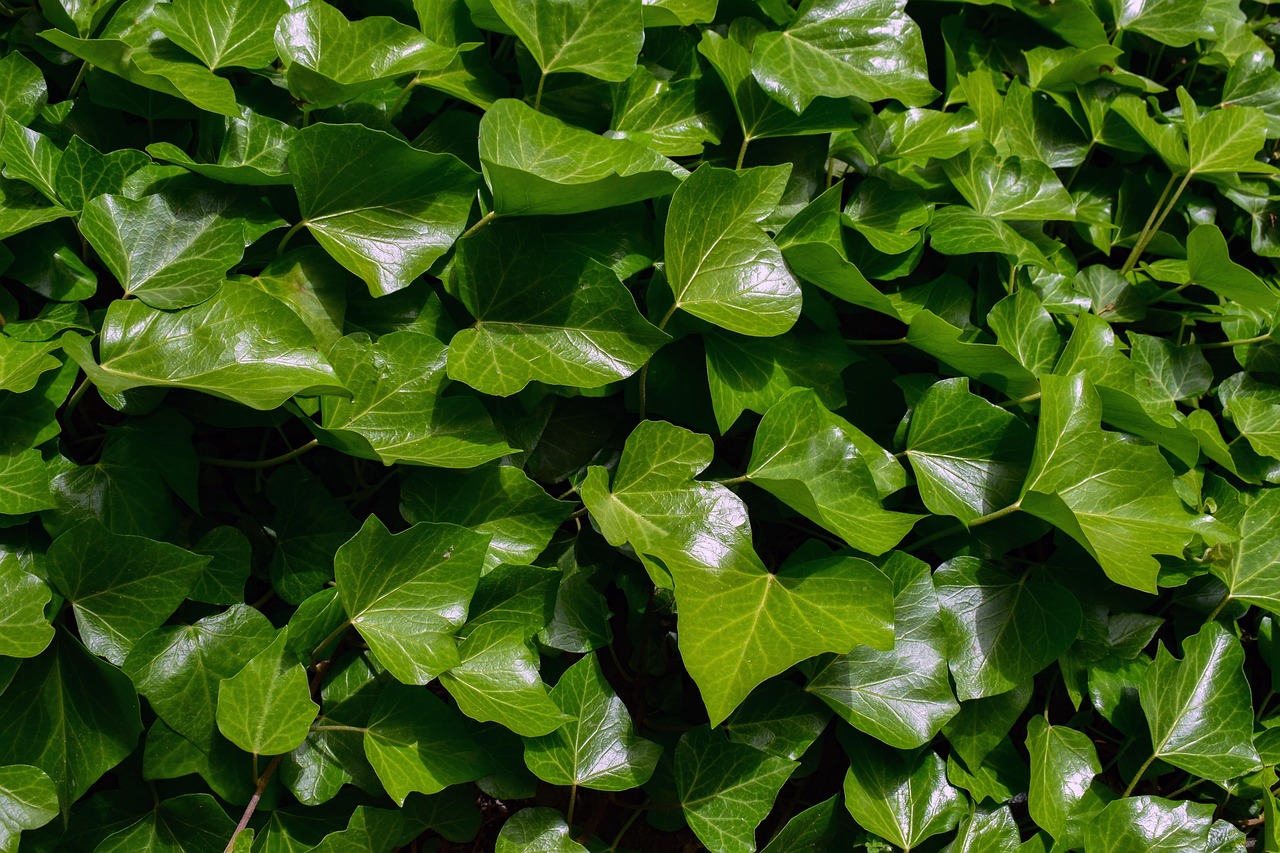
| English Ivy | Causes vomiting and neurological symptoms |
| Privet | Common hedging plant. Leaves and berries are toxic |
| Boxwood | Very common in formal gardens. All parts are toxic |
| Yew | One of the most toxic plants known. Even a few needles can be fatal |
| Black Locust | The bark and seeds are especially dangerous |
| Elderberry | Raw berries and leaves contain cyanogenic compounds |
| Buckeye / Horse Chestnut | The nuts and seeds are highly toxic |
Toxic Houseplants (If Your Tortoise Roams Indoors)
| Plant | Notes |
|---|---|
| Pothos | Very common. Contains calcium oxalates |
| Peace Lily | All parts toxic |
| Philodendron | Calcium oxalates and other irritants |
| Snake Plant | Saponins that cause nausea and digestive upset |
| Aloe Vera | Surprisingly toxic — the latex inside the leaves is a strong laxative that can cause severe dehydration |
| ZZ Plant | Highly toxic. Contains calcium oxalate |
| Cyclamen | Tubers are especially dangerous |
This Hilarious Turtle Book Might Know Your Pet Better Than You Do
Let’s be real—most turtle care guides feel like reading a textbook written by a sleep-deprived zookeeper.
This one’s not that.
Told from the snarky point of view of a grumpy, judgmental turtle, 21 Turtle Truths You’ll Never Read in a Care Guide is packed with sarcasm, sass, and surprisingly useful insights.
And hey—you don’t have to commit to the whole thing just yet.
Grab 2 free truths from the ebook and get a taste of what your turtle really thinks about your setup, your food choices, and that weird plastic palm tree.
It’s funny, it’s honest, and if you’ve ever owned a turtle who glares at you like you’re the problem—you’ll feel seen.
What Happens When a Tortoise Eats a Toxic Plant
Symptoms vary based on the plant, but here’s what to watch for:
- Lethargy — your tortoise suddenly stops moving normally
- Excess salivation or drooling
- Swollen mouth or tongue (common with oxalate plants)
- Diarrhea or vomiting (yes, tortoises can vomit)
- Difficulty breathing or open-mouth breathing
- Tremors or muscle weakness
- Inability to lift itself or walking oddly
- Loss of coordination
Some poisonings are fast — you’ll see symptoms within an hour. Others are cumulative. If a tortoise is nibbling on a mildly toxic plant regularly, you might not notice anything for weeks, and then suddenly things look very wrong.
Don’t wait to see if it gets better. If your tortoise shows any of these signs and you suspect plant ingestion, get to a reptile vet immediately.
What to Do If Your Tortoise Ate Something Toxic
First: don’t panic, but don’t delay either.
Here’s the sequence:
- Remove the plant from the enclosure immediately. Take a photo of it so you can show the vet exactly what was eaten.
- Give fresh water and encourage drinking — hydration helps flush toxins.
- Give a warm soak — 20 to 30 minutes. This helps tortoises pass toxins faster.
- Call a reptile vet — not just any vet, a reptile-experienced one. Treatment may include activated charcoal to limit absorption or IV fluids.
- Don’t induce vomiting — this is not recommended for reptiles unless a vet explicitly tells you to.
If the tortoise ate a cardiac glycoside plant (oleander, foxglove, lily of the valley), treat it as an emergency and get to a vet within the hour if possible. These compounds work fast.

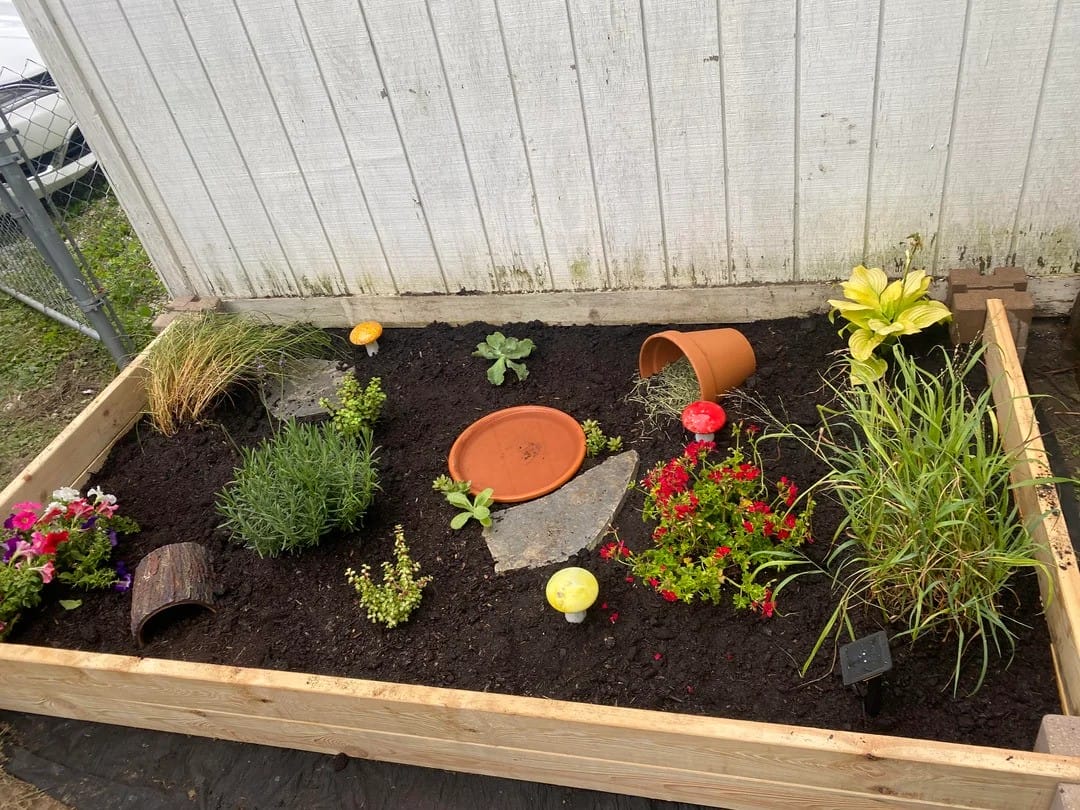
How to Actually Tortoise-Proof Your Garden
Knowing the list is step one. Actually removing the risks is step two.
- Walk every inch of your tortoise’s outdoor area before letting them roam. Look for anything you can’t identify and check it first.
- Use the Tortoise Safe Plant Checker — we built it specifically for this. Enter any plant name and get an instant safety rating.
- Replant with safe options. Check out our post on safe plants for tortoises — there are plenty of plants your tortoise can actually eat and enjoy.
- Don’t assume native means safe. Hemlock, buttercup, and foxglove all grow wild in many regions and are absolutely deadly.
- Be careful with compost areas. Rhubarb leaves, tomato plants, and other kitchen scraps that get tossed into compost are still toxic if your tortoise digs through.
The Bottom Line
Tortoises are tough animals. They’ve been on this planet for over 200 million years. But they never developed a survival instinct for the ornamental plants in your average suburban garden.
That’s your job.
The good news: this is entirely preventable. Know your garden, check every plant, remove the dangerous ones, and fill the space with safe alternatives. Your tortoise doesn’t need a complicated habitat — it just needs one where nothing is trying to kill it.
If you’re not sure about a specific plant, check the Tortoise Safe Plant Checker before your tortoise gets curious about it first.

About Author
Muntaseer Rahman started keeping pet turtles back in 2013. He also owns the largest Turtle & Tortoise Facebook community in Bangladesh. These days he is mostly active on Facebook.