Red Footed Tortoise Food: Safe Plants, Fruits & Protein List
This post was created with help from AI tools and carefully reviewed by a human (Muntaseer Rahman). For more on how we use AI on this site, check out our Editorial Policy.
Here is the thing that trips up almost every new red foot keeper.
You go looking for feeding advice, and every tortoise guide on the internet screams the same warning at you. No fruit. No protein. Grass and hay only.
Then you put a strawberry in front of your red foot and it sprints across the enclosure like a tiny dinosaur.
That is because your tortoise is not the same animal those guides are talking about. Most popular pet tortoises come from dry grasslands. The red foot comes from the forest edges and savannas of South America, and it eats like it.
So if you have been feeling guilty about the fruit, stop. You have been reading the wrong diet plan.
Worried a plant might be toxic? Use our free Tortoise Plant Safety Checker to find out instantly.
Why a Red Foot Eats Differently Than Every Other Tortoise
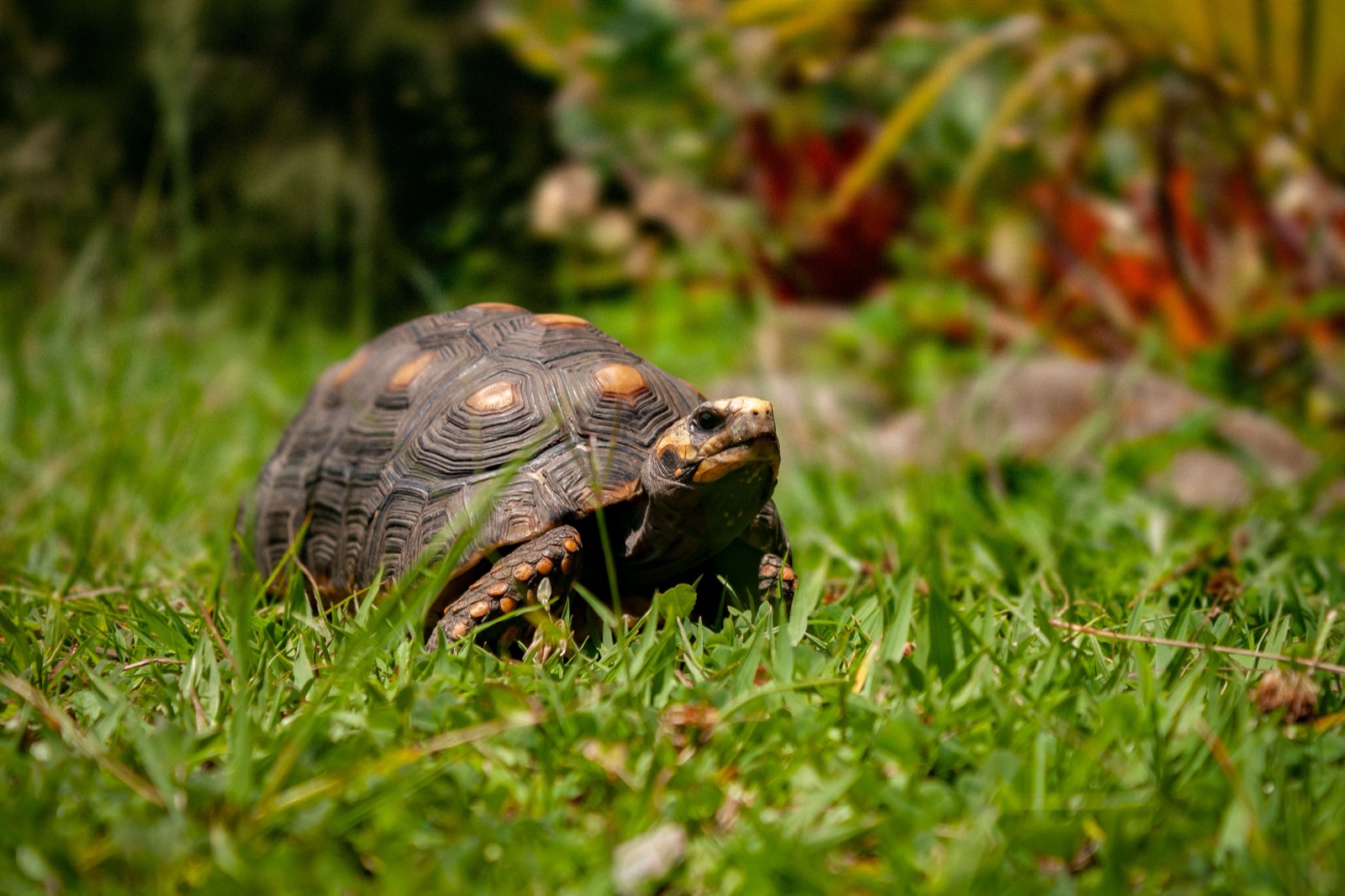
A Sulcata is a walking lawnmower. A Russian tortoise is a weed grazer. A red foot is closer to an opportunist that will eat whatever the forest floor is offering that week.
Field research on wild red foots backs this up hard. During the wet season their diet runs roughly 70 percent fruit, with fresh leaves and shoots making up most of the rest, plus fungi and animal matter.
In the dry season, when fruit disappears, they switch to flowers and foliage.
They also eat things that would horrify a Sulcata keeper. Fungi, arthropods, and carrion all show up in wild stomach contents. Red foots are one of the only tortoise species genuinely adapted to eating mushrooms.
That does not mean you feed a captive red foot a 70 percent fruit diet. Wild fruit is fibrous and low in sugar compared to the supermarket stuff we hand over.
But it does mean fruit and protein belong on the menu, in real amounts, instead of being treated as a crime.
The Ratio That Actually Works
Here is the split most experienced keepers and reptile vets land on for a captive adult.
| Food group | How much of the diet | How often |
|---|---|---|
| Dark leafy greens and weeds | About 60% | Every feeding |
| Vegetables | About 15% | Most feedings |
| Fruit | About 15% | Several times a week |
| Animal protein | About 10% | Roughly once a week |
Greens still form the base. That part never changes across tortoise species.
What changes is that the last two rows are not zero. For a Sulcata they basically are.
Feeding frequency splits by age. Hatchlings and juveniles eat daily. Adults do fine on every other day, which also stops them from turning into the reptile equivalent of a couch potato.
If your red foot suddenly stops eating on that schedule, that is worth investigating rather than waiting out. Our guide on why a tortoise refuses to eat walks through the usual causes.
This Hilarious Turtle Book Might Know Your Pet Better Than You Do

Let’s be real—most turtle care guides feel like reading a textbook written by a sleep-deprived zookeeper.
This one’s not that.
Told from the snarky point of view of a grumpy, judgmental turtle, 21 Turtle Truths You’ll Never Read in a Care Guide is packed with sarcasm, sass, and surprisingly useful insights.
And hey—you don’t have to commit to the whole thing just yet.
Grab 2 free truths from the ebook and get a taste of what your turtle really thinks about your setup, your food choices, and that weird plastic palm tree.
It’s funny, it’s honest, and if you’ve ever owned a turtle who glares at you like you’re the problem—you’ll feel seen.
Safe Leafy Greens and Weeds (The Base of the Diet)
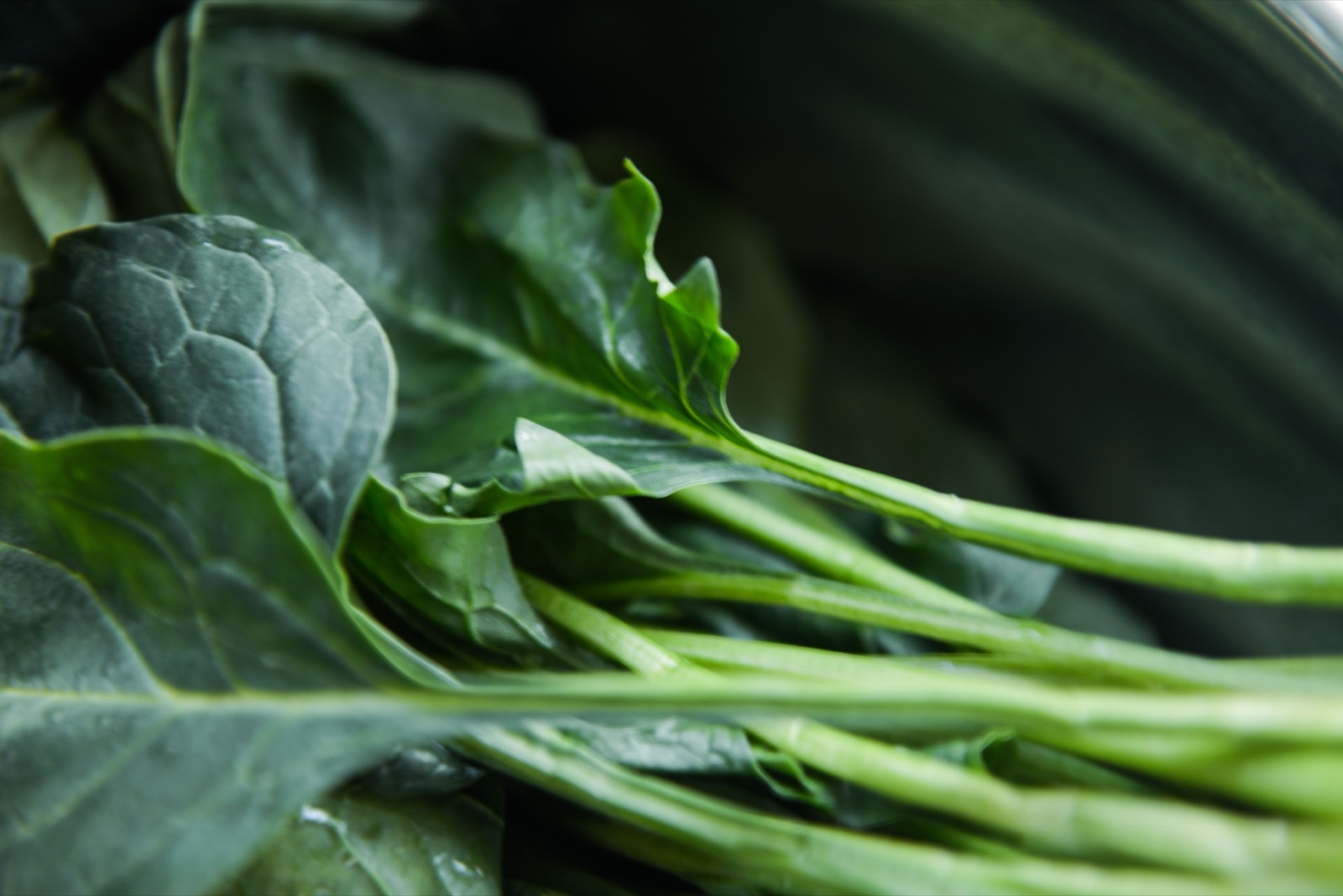
This is the boring 60 percent that keeps your tortoise alive. Build every meal on it.
Aim for high calcium, low oxalate, and plenty of variety. Rotating greens matters more than finding one perfect green.
- Collard greens
- Mustard greens
- Turnip greens
- Dandelion leaves and flowers
- Endive and escarole
- Chicory
- Watercress
- Romaine and green leaf lettuce
- Plantain weed (the Plantago kind, not the banana)
- Sow thistle
- Clover
- Chickweed
- Mallow
- Hibiscus leaves
- Mulberry leaves
- Grape and bramble leaves
Dandelion earns its reputation. High calcium, grows free in most yards, and tortoises treat it like dessert.
Just pull weeds from somewhere with no pesticide spray, no road runoff, and no dog traffic.
Safe Fruits (The Part That Makes Red Foots Different)
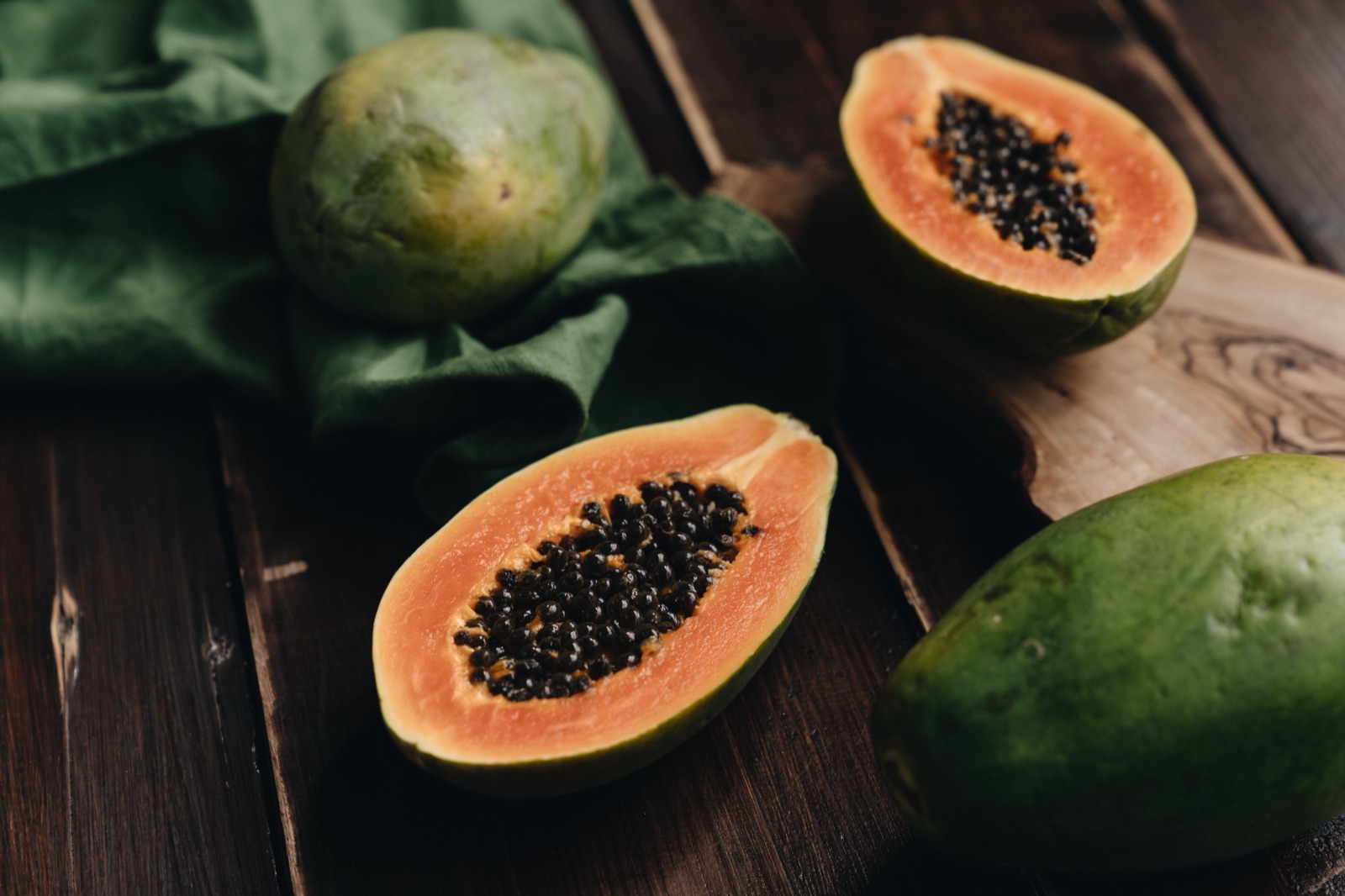
Now the fun section, and the one that separates this species from the grazers.
Fruit is not a guilty treat here. It is a legitimate slice of the diet, and skipping it entirely means you are feeding your red foot like a desert animal it is not.
| Fruit | Notes |
|---|---|
| Papaya | One of the best. High calcium, low sugar, red foot favorite |
| Mango | Excellent, close to a wild tropical fruit |
| Figs | Very high calcium, great choice |
| Cactus fruit (prickly pear) | Hydrating and mineral rich |
| Melon and cantaloupe | Good hydration, high water content |
| Berries | Strawberry, blueberry, raspberry all fine |
| Banana | Safe but sugary, keep it occasional |
| Apple and pear | Safe, remove the seeds |
| Grapes | Fine in small amounts |
| Tomato | Ripe fruit only, never the leaves or stems |
| Plum and peach | Safe, pit removed |
| Guava and pineapple | Safe, pineapple is acidic so go light |
Skip citrus. Oranges, lemons, and grapefruit irritate the digestive tract and are not worth the risk.
Never feed avocado. It is toxic to tortoises, full stop.
Cut everything into bite-sized pieces. A red foot will absolutely try to swallow a whole strawberry and it is not a graceful process.
Mushrooms: The Weird One Nobody Mentions
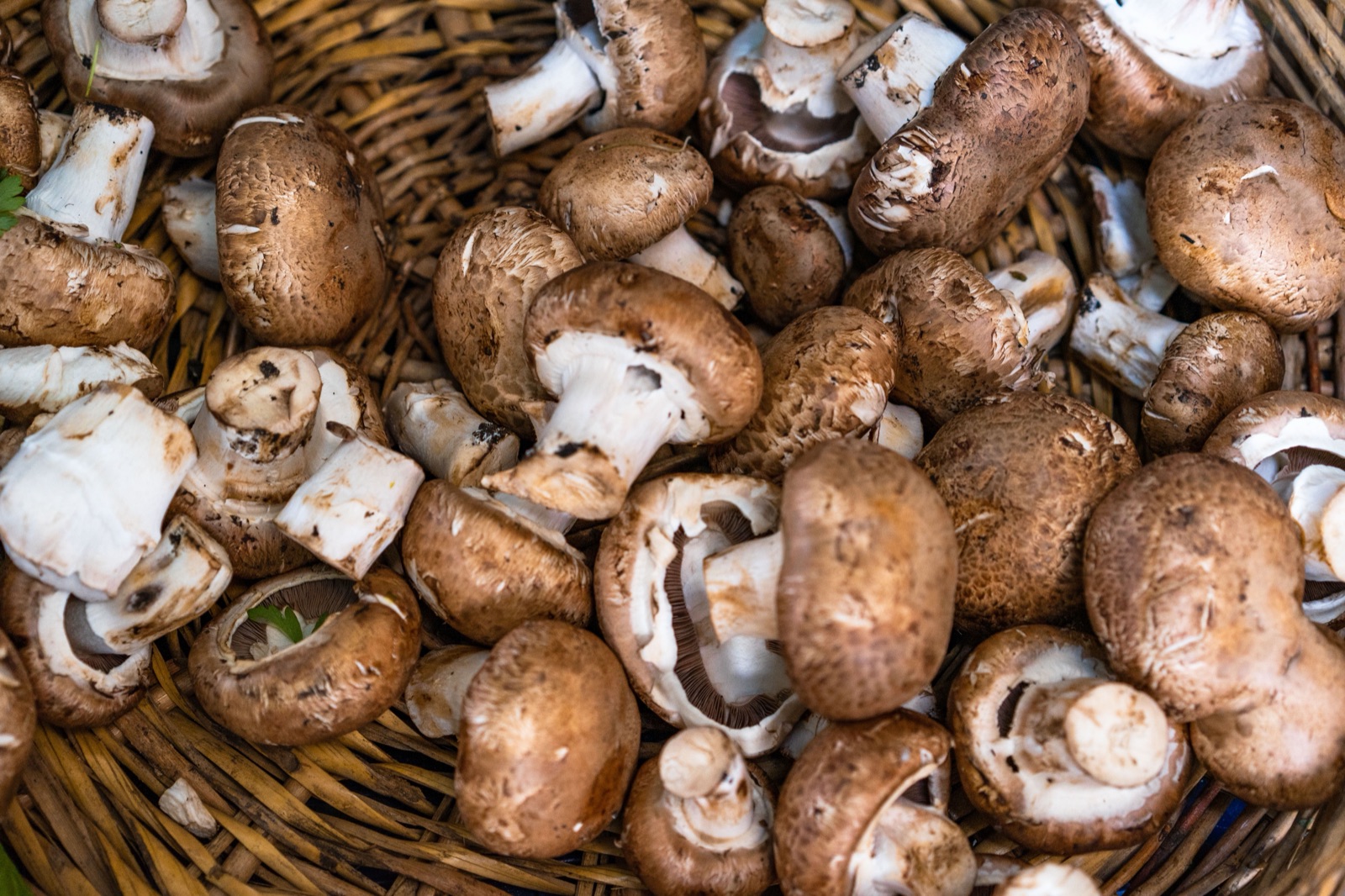
Most tortoise diet guides do not have this section because most tortoises should not eat mushrooms.
Red foots are the exception. Wild ones eat fungi regularly, and it appears to be a real nutrient source rather than an accident.
Store-bought button, cremini, and portobello mushrooms are safe in small amounts, maybe once a week.
Do not go foraging for wild mushrooms to feed your tortoise. You would need to identify them with total certainty, and the downside of getting it wrong is fatal.
Animal Protein: How Much and How Often
This is where keepers panic, and then usually overcorrect in one direction or the other.
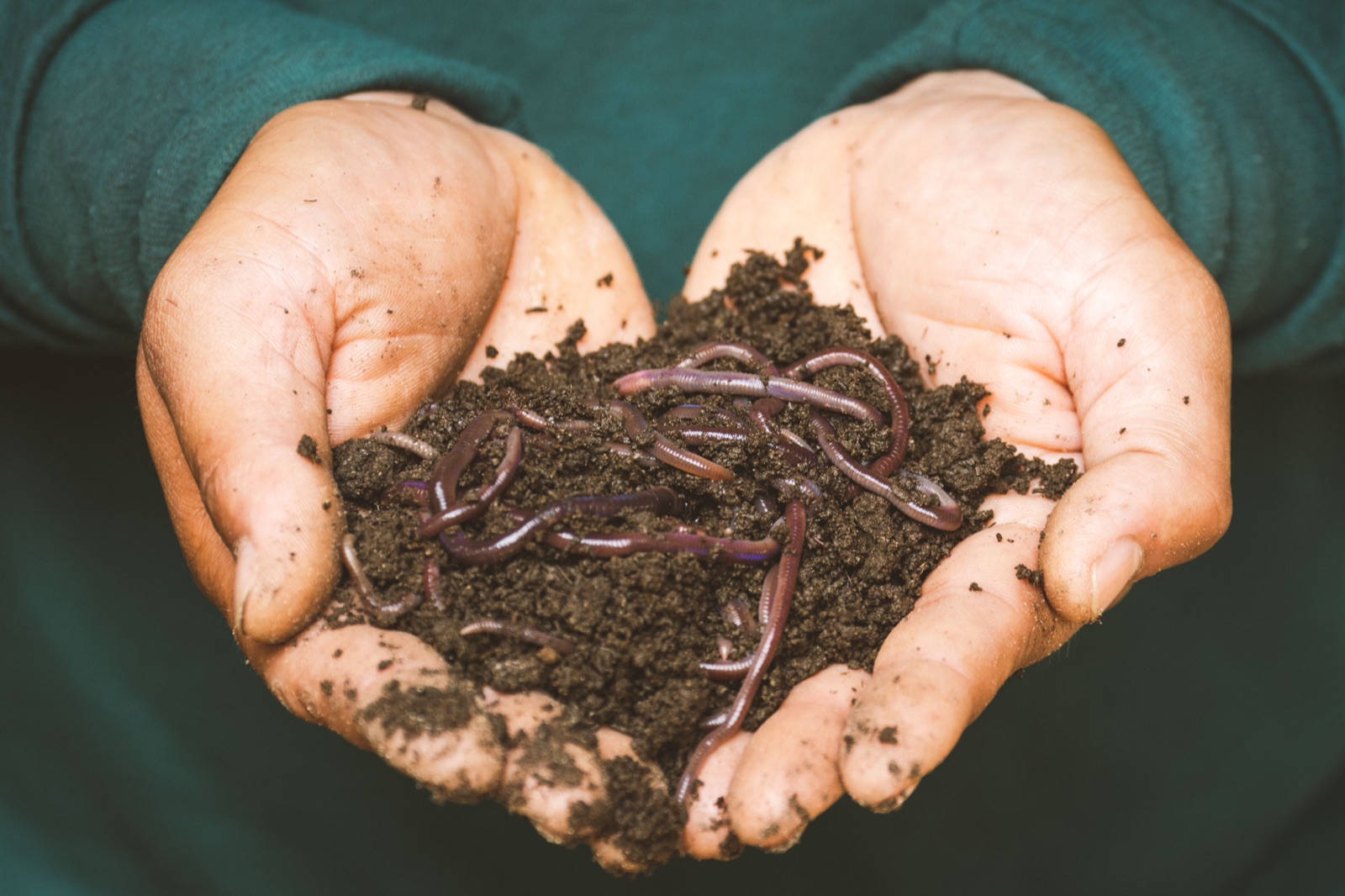
Wild red foots scavenge carrion and eat insects. Captive ones need some protein, but far less than their enthusiasm suggests.
Once a week for adults is the standard. Hatchlings can handle twice a week while they are growing.
Good options:
- Earthworms
- Snails (captive bred, never wild-caught)
- Crickets and dubia roaches
- Butterworms, which are especially high in calcium and good for hatchlings
- Cooked lean chicken or turkey, plain and unseasoned
- Hard boiled egg, occasionally
- Low fat wet cat food, rarely and in tiny amounts
That last one comes with a warning. Frequent cat food feeding is directly linked to pyramiding, that lumpy deformed shell growth nobody wants. Once a month at most, if at all.
Never offer processed deli meat, fatty red meat, or dry kibble as a staple. Too much protein over time strains the kidneys.
One myth worth killing here. Pyramiding in red foots is not purely a protein problem. Low humidity is a huge driver, and a bone-dry enclosure will pyramid a tortoise even on a perfect diet. Our red-footed tortoise care guide covers the humidity targets.
Safe Vegetables and Flowers
Vegetables round out the middle of the diet. Use them as supporting cast, not the main event.
- Squash and pumpkin
- Sweet potato, in small amounts
- Bell pepper
- Carrot, shredded
- Green beans, occasionally
- Zucchini
- Opuntia cactus pads, spines removed
Edible flowers are a genuine treat and cost almost nothing to grow.
Hibiscus is the top pick, since red foots eat both the flowers and the leaves. Also safe: nasturtium, rose petals, petunia, viola and pansy, and geranium in small amounts.
Grow them pesticide-free in a pot and you have a fresh supply all season.
What to Limit
Some foods are safe as an occasional bite but cause problems as a habit.
Goitrogenic vegetables interfere with thyroid function when fed often. Keep kale, broccoli, cabbage, brussels sprouts, and bok choy occasional.
High-oxalate greens bind calcium so your tortoise cannot use it. Go easy on spinach, parsley, beet greens, and Swiss chard.
Iceberg lettuce and celery are not dangerous, just pointless. Almost pure water with nothing useful in them.
Commercial pellet diets are convenient, but most are grain-based, and grain-heavy diets are associated with pyramiding. Treat pellets as a small supplement, not a staple, and pick a forest or fruit formula rather than a grassland one.
That last detail matters more than it sounds. The grassland formulas sitting next to it on the shelf are built for Sulcatas and Russians, which is the opposite of what a red foot needs.
What to Never Feed a Red Footed Tortoise
Hard no list. No exceptions, no “just a little.”
- Avocado
- Citrus fruit
- Dairy of any kind
- Bread, pasta, and grains
- Dog food or fatty processed meat
- Rhubarb leaves
- Onion and garlic
- Anything canned, salted, or seasoned
Then there are the plants that will poison a tortoise outright. Azalea, rhododendron, oleander, buttercup, daffodil, foxglove, and ivy are the common landscaping killers.
A red foot will walk right up and take a bite, because it has zero instinct for this. Learn them cold with our list of 40+ toxic plants for tortoises.
Found something growing in your yard and not sure about it? Run it through our free tortoise safe plant checker before it ends up in the food dish.
Calcium and UVB
A diet this varied still needs a calcium boost, especially for growing tortoises.
Leave a cuttlebone (my pick: natural cuttlefish bone) in the enclosure for your red foot to nibble whenever it wants. Dust greens with a calcium supplement (my pick: Rep-Cal Calcium with D3) a couple times a week.
Calcium is useless without the ability to process it, which takes UVB (my pick: Zoo Med ReptiSun 10.0). Red foots come from shaded forest edges so they need less intense UVB than a desert species, but they still need it.
Natural sunlight is best. A quality UVB bulb covers you indoors.
Feeding Baby Red Foots
Hatchlings run on the same food list with three adjustments.
Feed daily instead of every other day. Growing bodies need the fuel.
Chop everything much smaller. A hatchling cannot tear a leaf the way an adult can.
Protein twice a week instead of once, with butterworms being a particularly good calcium-heavy option.
Otherwise the plan is identical. Greens base, real fruit, weekly protein, constant calcium access.
What About Cherry Head Red Foots?
Short answer: nothing changes.
Cherry heads are a smaller, brighter locality of the same species, not a separate animal with separate needs. Same greens, same fruit ratio, same protein schedule.
The only practical difference is portion size, since a full grown cherry head stays noticeably smaller.
A Sample Week
If you want something you can tape to the fridge, here is a workable rotation for an adult.
| Day | Meal |
|---|---|
| Monday | Collard and dandelion base, chopped papaya |
| Tuesday | Skip (adults eat every other day) |
| Wednesday | Mustard greens and endive, squash, hibiscus flower |
| Thursday | Skip |
| Friday | Mixed greens base, earthworms or snails, berries |
| Saturday | Skip |
| Sunday | Chicory and watercress, mango, mushroom slice |
Dust with calcium on two of those feeding days. Adjust portions so food is mostly gone within a few hours.
The One Rule to Remember
If you forget this entire list, hang onto one idea.
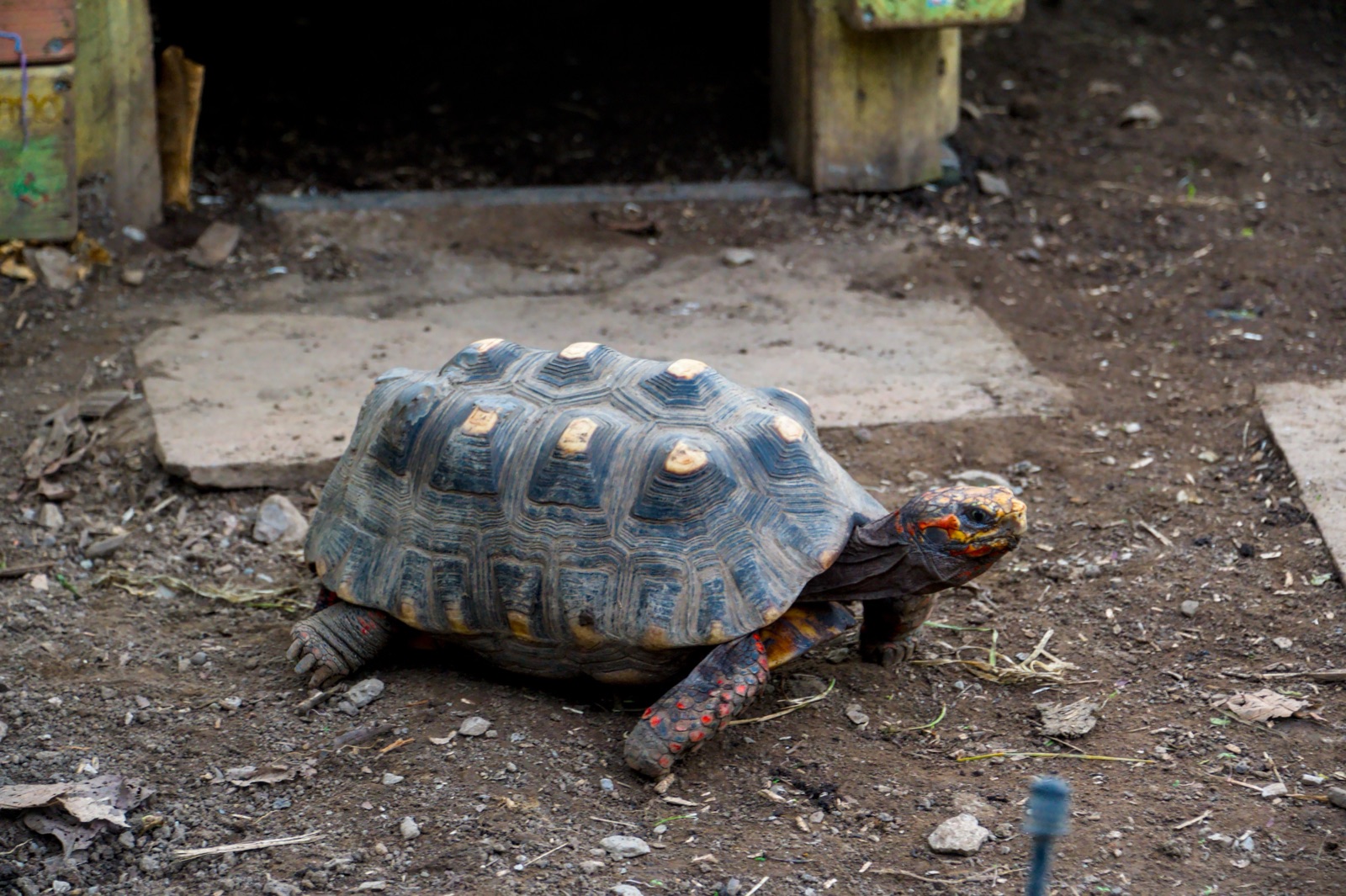
Your red foot is a forest omnivore, not a desert grazer.
Build the diet on leafy greens, add real fruit several times a week, offer protein once a week, throw in a mushroom now and then, and keep calcium available always.
Do that and you get a smooth-shelled tortoise that can outlive most of your furniture.
Now go look at what is in your fridge and your yard. Half of it is probably already on this list, and the other half might be on the one you want to avoid. Better to sort that out today than after a vet bill.
For the master list across every species, our pillar guide on tortoise safe plants for feeding is the next stop. And if you keep more than one species, the diets diverge fast, so compare against our Sulcata safe plant list and Russian tortoise safe plant list before you feed them the same bowl.

About Author
Muntaseer Rahman started keeping pet turtles back in 2013. He also owns the largest Turtle & Tortoise Facebook community in Bangladesh. These days he is mostly active on Facebook.