How Long Can A Turtle Stay Out Of Water?
This post was created with help from AI tools and carefully reviewed by a human (Muntaseer Rahman). For more on how we use AI on this site, check out our Editorial Policy.
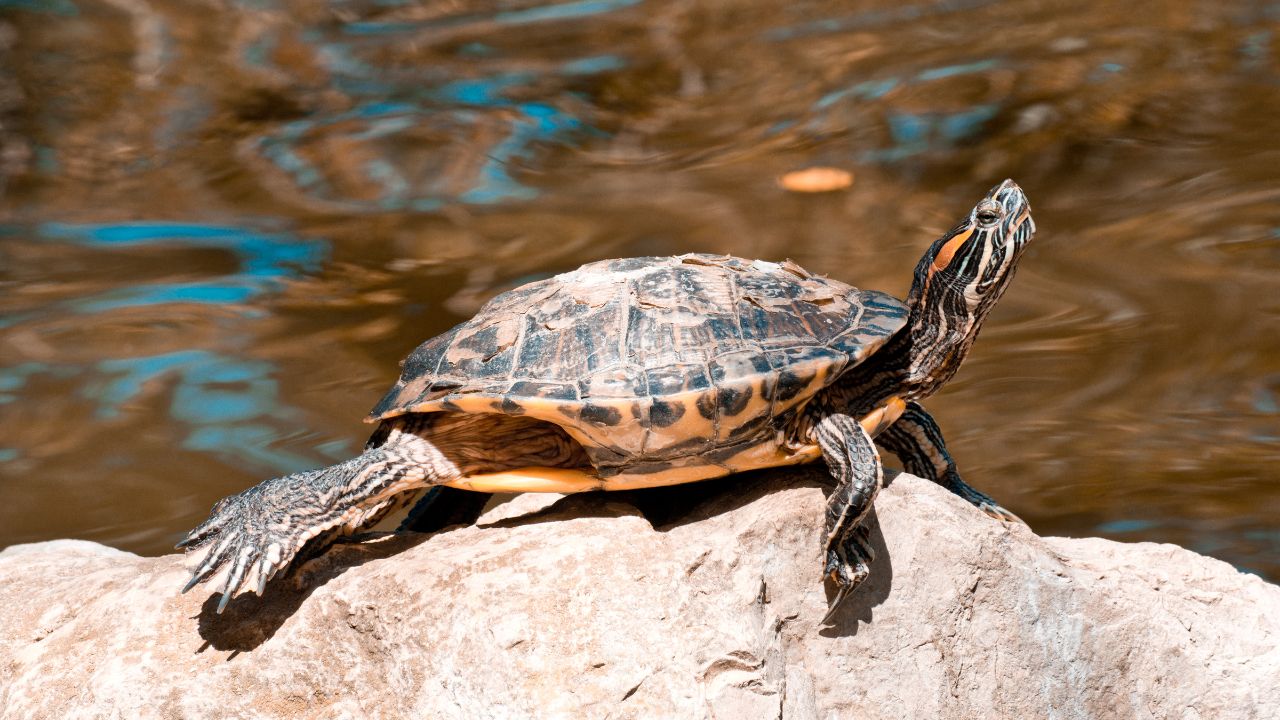
Your turtle’s been hanging out on the basking dock (my pick: floating basking platform) for hours, and now you’re wondering if that’s normal or if you should be worried.
Here’s the thing: most turtles spend 6-8 hours out of water daily for basking and other activities. But how long they can actually survive without water? That’s a totally different story, and it depends on way more factors than you’d think.
Do Turtles Actually Need Water to Survive?
Short answer: yes, desperately.
Water isn’t just for swimming around looking cute. Turtles need it to eat their food (most can’t even swallow without water), stay hydrated, regulate their body temperature, and literally just survive.
Think of it this way: you wouldn’t ask how long a fish can survive on land, right? Well, aquatic turtles are sort of the opposite problem.
They breathe air like us, but they need water almost as much as fish do.
While turtles need water for temperature regulation, they’re also impressive at managing their time underwater—learn more about how long turtles can hold their breath during their aquatic activities.
Why Turtles Can’t Just “Hold It”
Here’s what gets wild: turtles can’t produce saliva like mammals do.
That means eating anything dry is basically impossible without water. They have to be in water to swallow their food properly.
On top of that, they’re cold-blooded. When they get too hot on land, they dive into the water to cool down. When the water gets too cold, they haul out to bask under heat lamps (my pick: heat lamp) or sunshine.
It’s a constant temperature balancing act.
Quick Reference: How Long Can Each Turtle Type Survive?
| Turtle Type | Daily Basking Time | Emergency Survival (Ideal Conditions) | Realistic Home Survival |
|---|---|---|---|
| Musk Turtle | 2-4 hours | 2-3 days | 1-2 days |
| Painted Turtle (Adult) | 6-10 hours | 24-48 hours | 12-24 hours |
| Painted Turtle (Baby) | 4-6 hours | 6-8 hours | 4-6 hours |
| Red-Eared Slider | 6-8 hours | Up to 7 days | 2-3 days |
| Snapping Turtle | Rarely | 3 days | 1-2 days |
| Softshell Turtle | 4-6 hours | 7 days (cool) / 10-12 hours (hot) | 1-2 days |
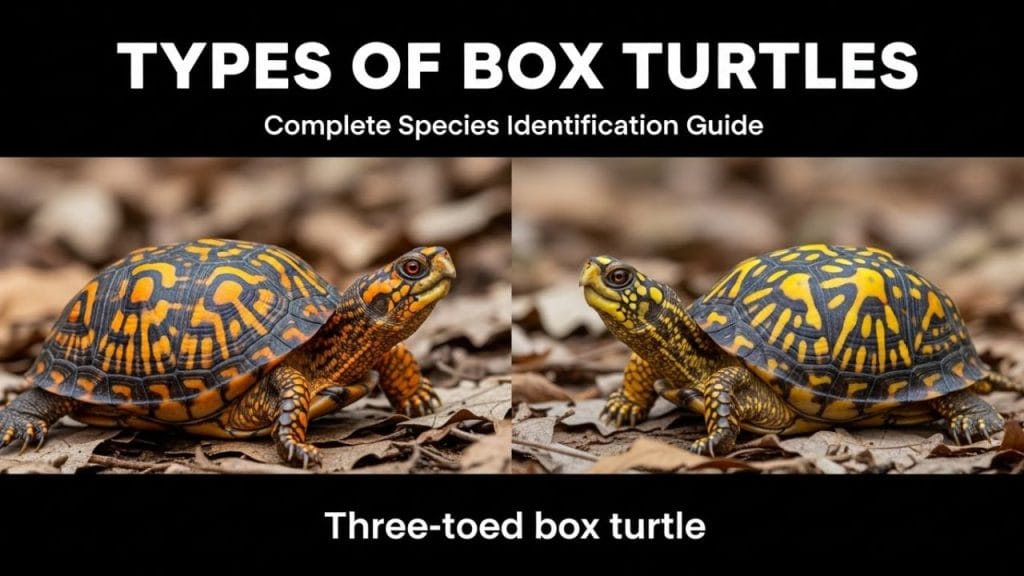
| Box Turtle | Lives on land | Weeks | 3-7 days |
This Hilarious Turtle Book Might Know Your Pet Better Than You Do

Let’s be real—most turtle care guides feel like reading a textbook written by a sleep-deprived zookeeper.
This one’s not that.
Told from the snarky point of view of a grumpy, judgmental turtle, 21 Turtle Truths You’ll Never Read in a Care Guide is packed with sarcasm, sass, and surprisingly useful insights.
And hey—you don’t have to commit to the whole thing just yet.
Grab 2 free truths from the ebook and get a taste of what your turtle really thinks about your setup, your food choices, and that weird plastic palm tree.
It’s funny, it’s honest, and if you’ve ever owned a turtle who glares at you like you’re the problem—you’ll feel seen.
How Long Can Turtles Actually Stay Out of Water?
Okay, here’s where it gets complicated.
Normal Daily Time Out of Water
For their regular routine, most aquatic and semi-aquatic turtles spend 6-8 hours out of water every day just basking, laying eggs, or exploring.
This is totally normal and actually necessary for their health.
Emergency Survival Time
But what if your turtle escapes or gets stuck somewhere without water?
Adult turtles can survive 1-3 days without water in decent conditions (not too hot, not too dry). Some hardy species like red-eared sliders can push it to a week if the humidity is high and temperatures are cool.
Baby turtles? They’re way more fragile. Juvenile turtles can only survive 6-8 hours max without access to water.
This extended underwater survival is possible partly because some species can breathe through their cloacas and absorb oxygen through specialized structures.
The Species Factor
Not all turtles are created equal when it comes to water dependence.
Highly Aquatic Turtles (Need Water the Most)
Musk turtles and mud turtles: 2-3 days maximum
Painted turtles: 10-12 hours for adults, only a few hours for babies
Snapping turtles: About 8 hours comfortably, 3 days in emergencies
These guys are basically underwater most of the time. Taking them out for extended periods is asking for trouble.
Semi-Aquatic Turtles (More Tolerant)
Red-eared sliders: Up to a week in ideal conditions (high humidity, cool temps). For more details on their underwater behavior and respiration, read our complete guide on how long red eared sliders can be underwater.
Cooters and river turtles: 2-4 days depending on conditions
These turtles can handle being out of water longer, but “can handle” doesn’t mean “should do.”
Land Turtles/Tortoises (Least Water-Dependent)
Box turtles: 2-3 days easily, up to weeks with high humidity Tortoises: Weeks or even months (they’re technically not turtles, but people always ask)
Land turtles need water for soaking and drinking, but they’re not going to die if they can’t swim.
What Factors Determine How Long They Can Survive?
Temperature (This Is HUGE)
Hot weather = turtle dehydration speedrun.
When it’s above 85°F, turtles lose water fast through evaporation. In extreme heat, an aquatic turtle might only last a few hours before serious dehydration kicks in.
Cold weather = slower metabolism, longer survival.
In cool conditions (60-75°F), turtles can last significantly longer because their bodies slow down and use less water.
Humidity (The Secret Weapon)
High humidity can literally double or triple how long a turtle survives out of water.
When the air is moist (70-80% humidity or higher), turtles don’t dry out as fast. This is why they can survive longer in foggy or rainy conditions compared to dry, desert-like environments.
Age Matters More Than You Think
Baby turtles: Dehydrate super fast, only 6-8 hours max Adult turtles: Can conserve water better, 1-3+ days
Young turtles haven’t developed the ability to store water efficiently. Their small bodies also mean they have less reserve to work with.
Overall Health
A healthy, well-fed turtle can survive longer than a sick or malnourished one.
If your turtle was already dealing with health issues, being out of water will hit them harder and faster.
What Happens If a Turtle Stays Out Too Long?
Let’s be real: just because your turtle can survive doesn’t mean it’s having a good time.
Early Signs of Dehydration (0-24 Hours)
- Sunken eyes
- Lethargy or unusual sleepiness
- Dry skin that doesn’t look shiny
- Refusing to eat (if they even could without water)
Serious Dehydration (1-3 Days)
- Severe weakness, can barely move
- Eyes completely sunken
- Skin looks papery and wrinkled
- Can’t digest food even if they wanted to
Critical Stage (3+ Days)
- Organ failure begins
- Kidney shutdown
- Potentially fatal without immediate veterinary care
Your turtle will look like it went through a desert survival challenge, because basically it did.
Can Turtles Sleep Out of Water?
Yes, but it depends on the species.
Aquatic turtles prefer sleeping underwater for 4-7 hours. They can slow their metabolism enough to stay submerged while resting.
Land turtles obviously sleep on land. Box turtles will find a nice hidey-hole and snooze there.
Semi-aquatic turtles will sleep either in water or on their basking spot, whatever they’re feeling that day.
If your normally water-loving turtle is suddenly sleeping on land all the time, check your water temperature. It might be too cold, and they’re avoiding it.
The Hibernation Exception
Here’s where things get weird.
During hibernation (technically called “brumation” for reptiles), turtles can survive 3-6 months without water.
But this only happens when temperatures drop low enough to trigger their survival mode. Their metabolism basically hits pause, and they don’t need food or water because they’re not really “living” in the normal sense.
Wild aquatic turtles usually hibernate underwater at the bottom of ponds or lakes. Some species can burrow into mud on land and hibernate there instead.
This is NOT something you should try to replicate with an escaped pet turtle. Hibernation is a carefully controlled biological process, not just “being out of water for a long time.”
What To Do If Your Turtle Escapes
Don’t panic, but also don’t waste time.
First 6 Hours: Stay Calm
Your turtle is probably fine. Check all the dark, quiet hiding spots in your house (under furniture, in closets, behind appliances).
Put out shallow dishes of water around your house. Turtles will seek out water when they need it.
6-12 Hours: Step It Up
Keep searching systematically. Turtles are surprisingly good at wedging themselves into impossible places.
If it’s hot in your house (above 80°F), finding your turtle becomes more urgent.
12-24 Hours: Getting Serious
By now, your turtle is probably getting dehydrated. Intensify the search.
Real story from Reddit: one person’s red-eared slider escaped and survived 18 hours in a 110°F balcony. The turtle had apparently been going back and forth to a water dish at night to survive.
When You Find Them
Don’t just throw them back in the tank.
Gradual rehydration is key. Put them in shallow, lukewarm water first (around 75-80°F for most species). Let them soak for 15-30 minutes.
Offer food, but don’t be surprised if they don’t eat immediately. They might need time to recover.
If they seem extremely weak, lethargic, or have sunken eyes after 24 hours of recovery, get them to a reptile vet ASAP.
Species-Specific Survival Times
Red-Eared Sliders
Normal basking: 6-8 hours daily Emergency survival: Up to 7 days in cool, humid conditions Realistic survival: 2-3 days in average home conditions
Red-eared sliders are tough. They’re one of the most tolerant semi-aquatic species when it comes to surviving out of water.
Painted Turtles
Normal basking: 6-10 hours daily Emergency survival: 10-12 hours for adults Baby painted turtles: Only a few hours
Painted turtles are hardy little guys when they’re adults, but the babies need constant access to water.
Musk Turtles
Normal basking: 2-4 hours daily (they don’t bask much) Emergency survival: 2-3 days maximum
Musk turtles are highly aquatic. They spend most of their time in shallow water and really don’t want to be out long.
Box Turtles
Normal behavior: Live mostly on land Emergency survival: 2-3 days comfortably, weeks if humidity is high
Box turtles still need water for soaking and drinking, but they’re way more tolerant of being “landlocked.”
Softshell Turtles
Normal basking: 4-6 hours daily Emergency survival: About a week in cool temps, 10-12 hours in hot weather
Softshell turtles have that weird leathery shell that’s more vulnerable to drying out, but adults can still last surprisingly long.
Snapping Turtles
Normal basking: Rarely bask (they’re bottom-dwellers) Emergency survival: 8 hours comfortably, up to 3 days in decent conditions
Snapping turtles are tough, but they’re so aquatic that extended time on land stresses them out.
Why Do Turtles Come Out of Water Anyway?
If water is so important, why do they leave it at all?
Basking (The Main Reason)
Turtles need to dry off and warm up under UVB light (my pick: Zoo Med ReptiSun 10.0) to:
- Produce vitamin D3 (critical for shell and bone health)
- Prevent fungal infections
- Regulate body temperature
- Help digest food properly
Laying Eggs
Female turtles will leave the water to find a suitable nesting site, dig a hole, and lay their eggs in the sand or soil.
Breathing
Even aquatic turtles breathe air. They have to come to the surface regularly to take a breath.
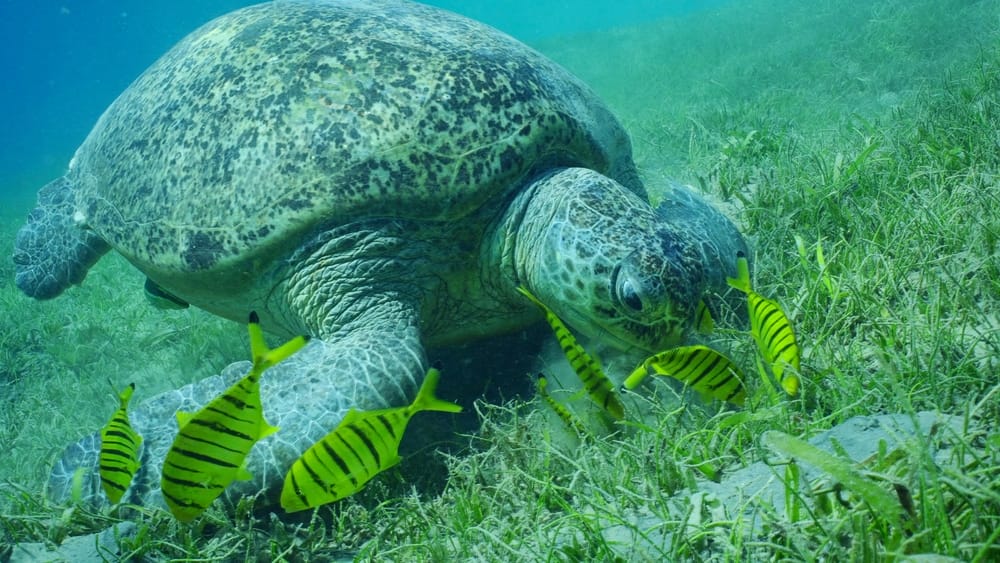
Sea turtles can hold their breath for 4-7 hours when sleeping, but when they’re active, they need to surface every 4-5 minutes.
Escaping Bad Water Conditions
If your turtle is trying to escape the water constantly, check:
- Water temperature: Should be 75-80°F for most species
- Water quality: Is it clean? Is the pH right?
- Health issues: Is your turtle sick with a respiratory infection?
Turtles will bail out of bad water faster than passengers on the Titanic.
How to Keep Your Turtle Properly Hydrated
Prevention is way easier than dealing with a dehydrated turtle.
Set Up a Proper Tank
Water depth: At least 1.5-2 times the length of your turtle’s shell Basking area: Dry platform where they can completely haul out Temperature gradient: Cool water (75-80°F) and warm basking spot (85-95°F) Filtration: Good filter system to keep water clean
Monitor Basking Time
If your turtle is basking way more than 8 hours a day, something’s wrong.
Check your water temperature, water quality, and watch for signs of illness.
Provide Clean Water
Turtles poop in their water. Yeah, it’s gross.
Change 25-50% of the water weekly (more if you have a smaller tank). Run a good filter constantly.
Watch for Warning Signs
- Excessive time out of water
- Dry, flaky skin
- Sunken eyes
- Lethargy
- Refusing to eat
Any of these = time to check your setup or visit the vet.
The Bottom Line
Can turtles survive out of water? Yes.
Should they have to? Absolutely not.
Your turtle should have 24/7 access to clean water, period. They should be able to get in and out whenever they want.
If your turtle escapes, you’ve got somewhere between 6 hours and a few days to find them, depending on the species and conditions. But every hour counts, so don’t waste time.
The fact that turtles can survive a few days without water doesn’t mean it’s okay or that they won’t suffer. Think of it like asking how long you could survive without food. Sure, maybe a few weeks, but you’d be miserable the entire time.
Keep your tank secure, monitor your turtle’s behavior, and make sure they’re getting everything they need. That’s the whole job.
And if they do escape? Search methodically, put out water dishes, and don’t give up. Turtles are tougher than they look, but they’re counting on you to bring them home.

About Author
Muntaseer Rahman started keeping pet turtles back in 2013. He also owns the largest Turtle & Tortoise Facebook community in Bangladesh. These days he is mostly active on Facebook.