20 DIY Ideas For An Outdoor Turtle Habitat [Turtle Paradise]
This post was created with help from AI tools and carefully reviewed by a human (Muntaseer Rahman). For more on how we use AI on this site, check out our Editorial Policy.
Ready to create a turtle paradise in your backyard? These 20 DIY ideas for an outdoor turtle habitat are perfect.
They’re easy to make and budget-friendly. Give your turtle a safe and cozy space to explore and enjoy.
Dive in and discover how to turn your yard into a perfect outdoor home for your turtle!
What Outdoor Habitats Actually Need (Beyond Structure)
These DIY designs show the structure, but here’s what they don’t show: the equipment and care outdoor turtles still require.
Equipment You STILL Need Outdoors:
Pond Filtration (Non-Negotiable):
Outdoor ponds get dirty fast from leaves, debris, algae, and turtle waste. You need proper filtration:
- For small ponds (100-300 gallons): Pond filter rated for 2x water volume
- For larger ponds (300+ gallons): Waterfall filters or cannister filters
- Maintenance: Clean filters weekly, replace media every 3-4 months
Budget: $100-300 for proper pond filtration
Water Treatment:
If using tap water to fill or top off your pond, you still need water conditioner (recommended: reptile water conditioner):
- Seachem Prime: Removes chlorine/chloramine (kills beneficial bacteria and harms turtles)
- Dose: Every time you add tap water to the pond
Never skip this: Chlorinated water will harm your turtle even outdoors
Complete guide: Water Treatment Essentials
Predator Protection:
Outdoor turtles face serious predator threats:
- Raccoons (will kill adult turtles)
- Hawks and herons (especially dangerous to small turtles)
- Cats and dogs
- Rats and opossums
You need:
- Secure wire mesh over enclosure (or very deep pond with escape routes)
- Solid perimeter fencing
- Hiding spots underwater
- Regular monitoring
Proper Nutrition:
Outdoor turtles still need complete nutrition:
- Commercial food: Mazuri or Zoo Med Natural Aquatic (2-3x per week)
- Calcium supplements (my pick: Rep-Cal Calcium with D3): Rep-Cal with D3 (2x per week)
- Varied diet: Leafy greens, occasional protein
- Feeding schedule: Consistent portions, not just “whatever they find”
Common mistake: “They’ll eat bugs and plants from the yard” – this isn’t enough for complete nutrition
Complete guide: Turtle Nutrition
When You Need Indoor Equipment Instead:
If your area has ANY of these conditions, you need indoor setup:
- Winter temps below 60°F
- Less than 8 months of warm weather
- Predator concerns you can’t address
- Limited direct sunlight in yard
- Tropical turtle species (need 80°F+ year-round)
- Juvenile or sick turtles (too vulnerable)
Indoor equipment requirements:
- Canister filter (my pick: Penn-Plax Cascade) – Fluval FX4 or FX6
- UVB (my pick: Zoo Med ReptiSun 10.0) lighting – ReptiSun 10.0 T5 HO
- Basking heat lamp (my pick: heat lamp) – 75-100W bulb
- Water heater – 2.5-5W per gallon
- Water treatment – Conditioner + test kit
Complete indoor setup guide: Turtle Owner Essentials
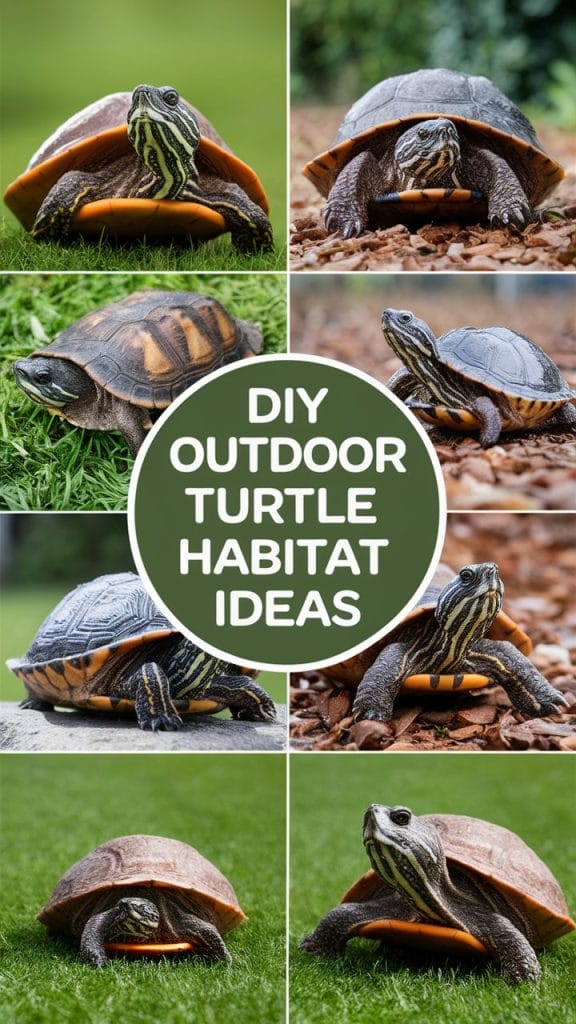
20 DIY Outdoor Turtle Habitat
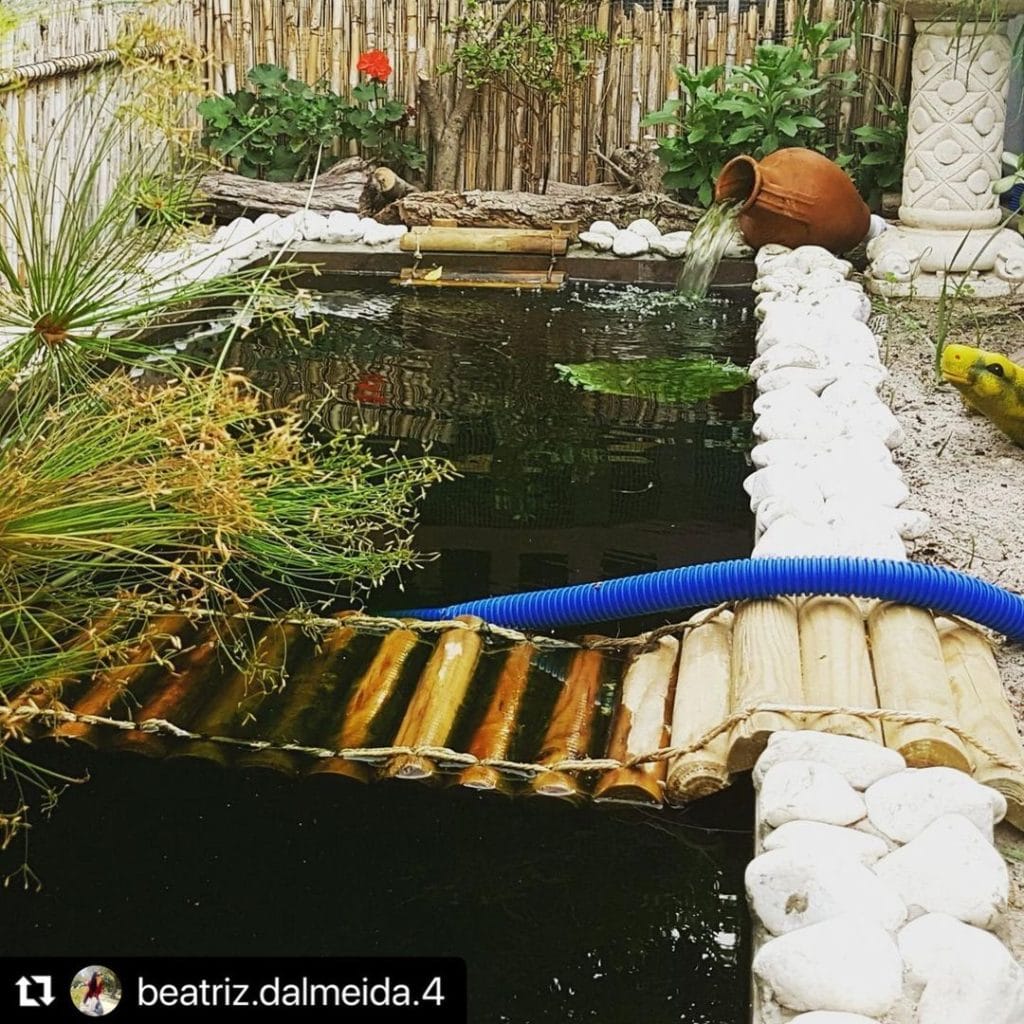
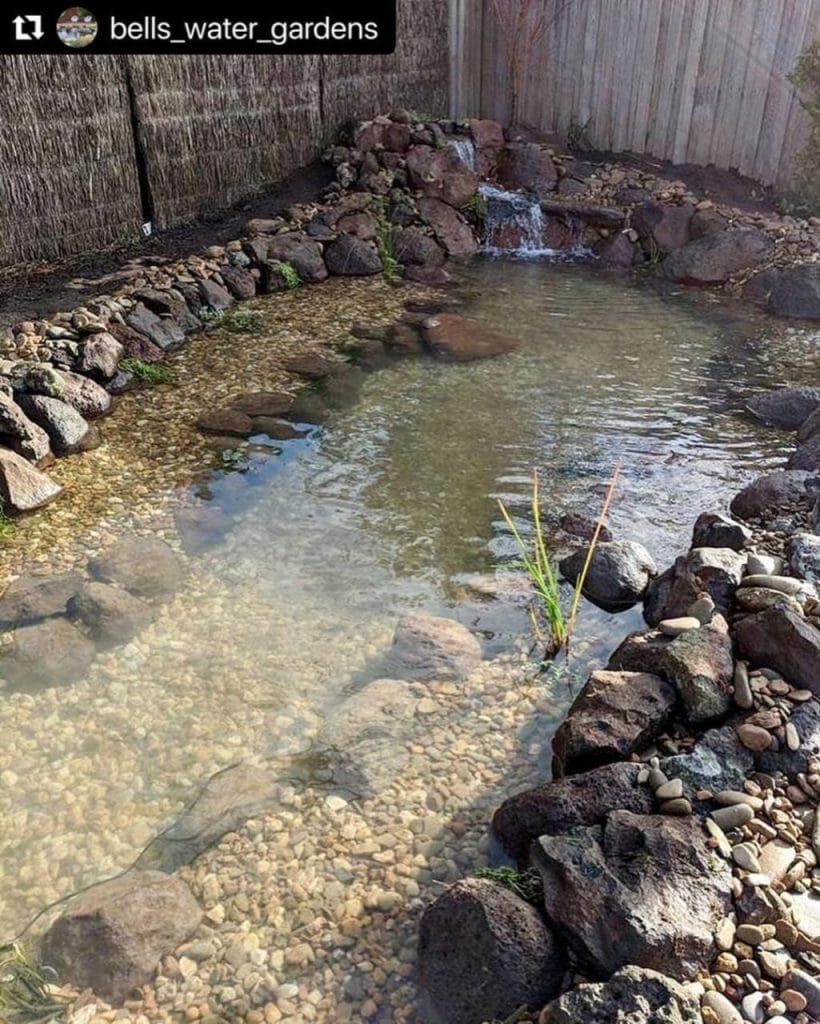
1. Natural Turtle Outdoor Haven
| Materials | Wooden fence, wire net, stones, sands, pond liners (my pick: 10x15 FT 20 Mil HDPE pond liner), water filter, branches, leaves, oysters, etc |
| Difficulty level | Moderate |
For a natural aquatic area, construct a timber cage with organic soil as the substrate and a pond liner. To make climbing easier, slope the sand in the direction of the pond. Add pebbles, branches, logs, dried leaves, and even oyster shells to the habitat to improve it further.
2. Pond Turtle Habitat
| Materials | turtle tub for pond, aquatic plants, filter, coconut fiber, wire net, etc. |
| Difficulty level | Moderate |
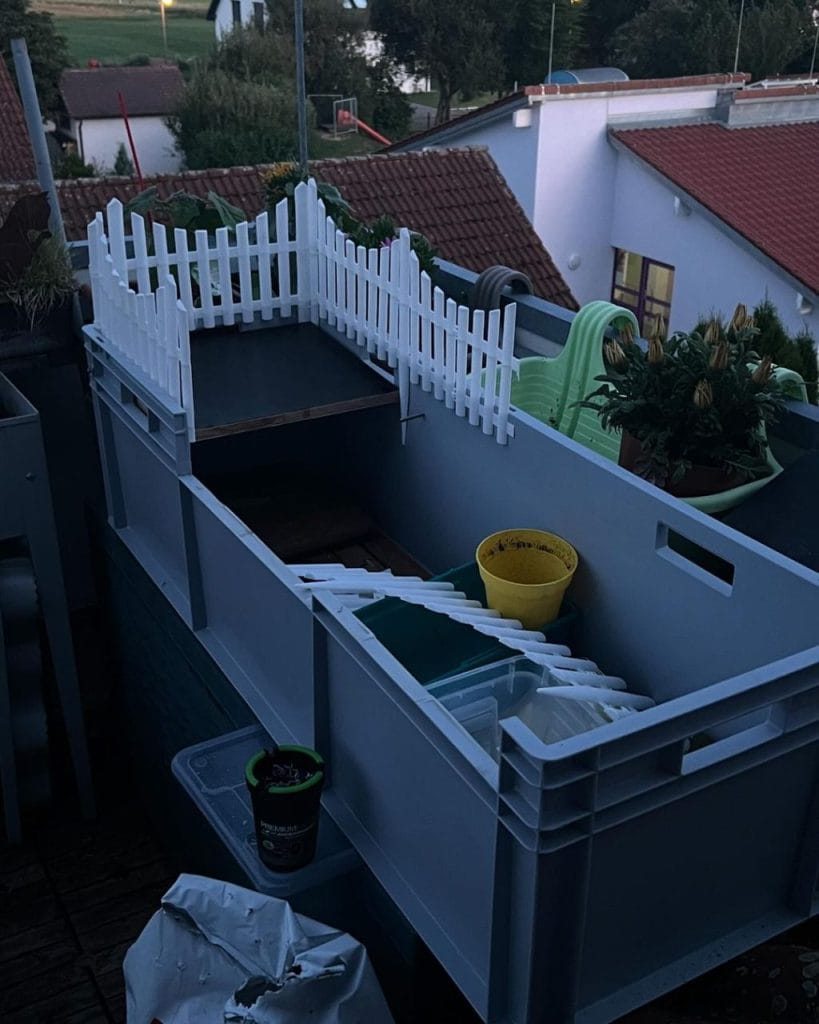
With this DIY Turtle Tub Habitat, you can create a tranquil turtle refuge in your garden. Simply place the black plastic tub in the ground, add filtered water, and cover it. Add lush water plants, inviting resting spots, and a fence made of barbed wire to the area to improve it while ensuring safety.
Critical equipment: The ‘filter’ mentioned is essential – outdoor ponds still need filtration rated for the water volume. Also note: this only works if your climate stays above 60°F at night. If temperatures drop, you need an indoor setup with water heaters and UVB lighting.
3. Backyard Turtle Paradise
| Materials | Gravel stones, plants, soil, tub, branches, and logs, etc. |
| Difficulty level | Challenging |
With the help of our DIY Wooden Enclosure, you can turn your garden into a turtle refuge. This large 20-foot habitat has a base made of coconut fiber, organic soil, and gravel that has been meticulously stacked.
Your turtles will flourish in this rich and safe environment, which includes a pond made of black plastic, natural climbing structures, and a variety of vivid plants.
4. Tranquil Water Backyard Turtle Habitat
| Materials | Large tub, filter, stones, basking platform, plants, etc. |
| Difficulty level | Challenging |
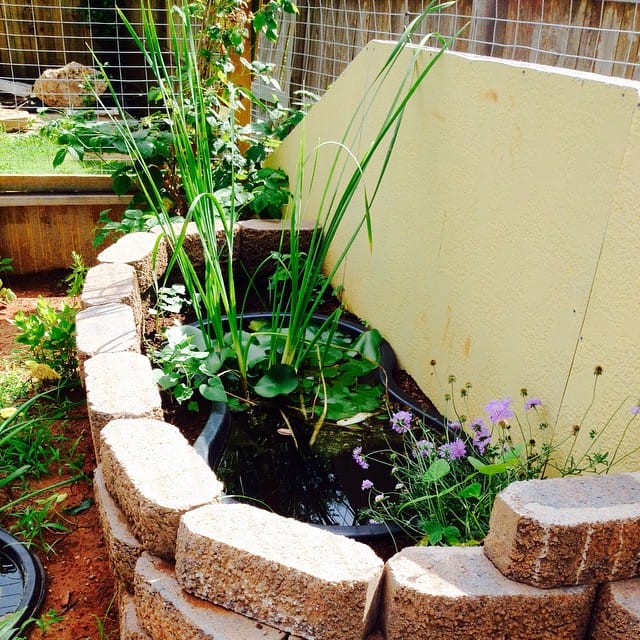
Create a DIY turtle pond to turn your garden into a haven for turtles. Create the foundation in a large tub using a sand bottom, submerged stones, and colorful aquatic plants.
Create a turfgrass platform to serve as a designated basking area. Use a dependable filtering system to guarantee pure water.
5. Aquatic Retreat Turtle Habitat
| Materials | Plastic tub, pebbles, driftwood, coral reefs, plant, mosquito fish, etc. |
| Difficulty level | Easy |
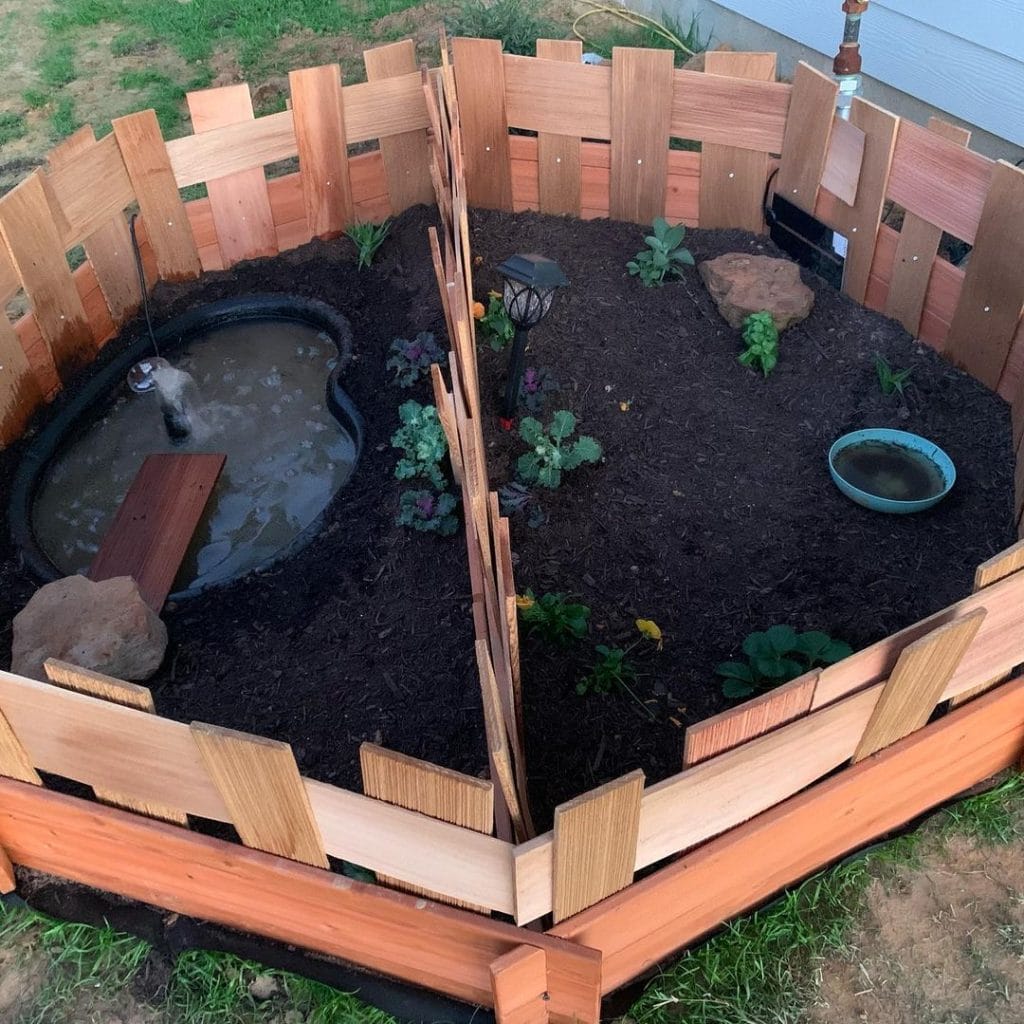
Use tiny pebbles as the substrate to turn a plain plastic container into an alluring turtle home. Coral reefs should be stacked for hiding and basking areas, and a massive driftwood centerpiece should be added to the scene.
Create holes to guarantee good drainage while adding fake plants for decoration. For a balanced ecology, introduce mosquito fish.
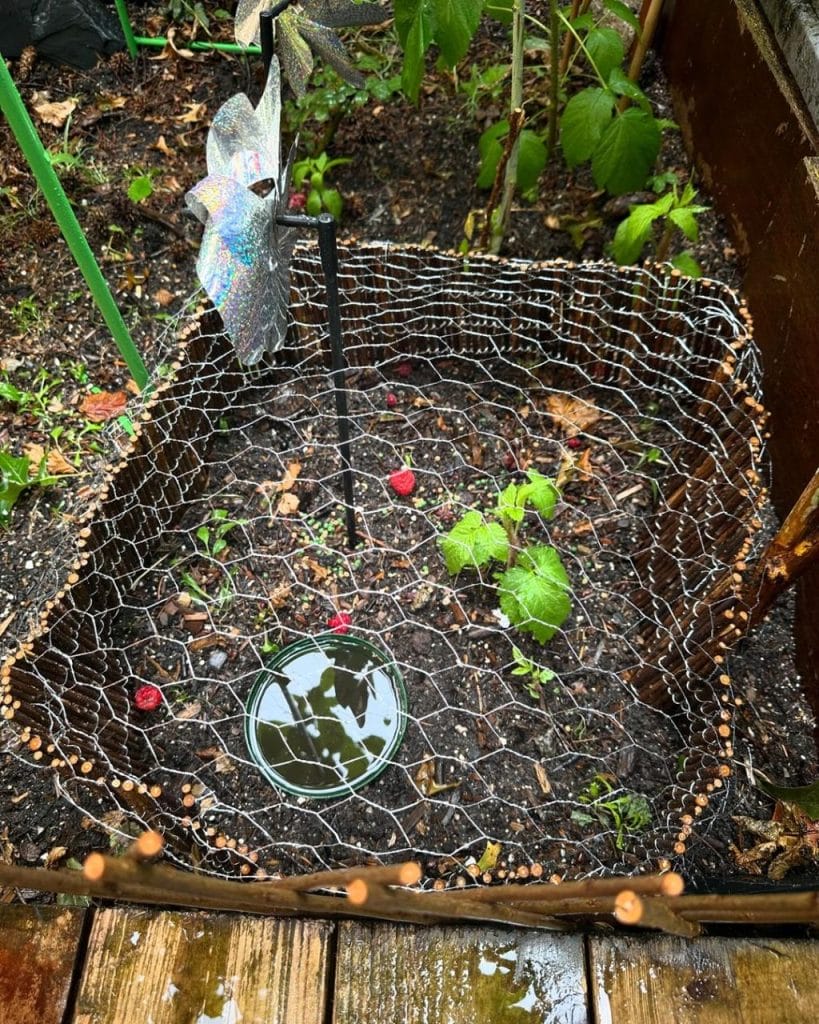
6. Serene Wooden Outdoor Enclosure
| Materials | wood, logs, water container, etc. |
| Difficulty level | Easy |
Build an eye-catching wooden cage for your turtles and add big logs for a rustic feel and a cozy hiding place.
Add thick natural grass to the habitat to create a green setting. Do you know some turtles can even eat grass?
A cool spherical water pot tucked into the earth will round off the setting and provide the perfect place for your turtles to swim and cool off.
Nutrition reminder: Outdoor doesn’t mean your turtle feeds itself. You still need to provide quality commercial turtle food (Mazuri or Zoo Med), calcium supplements (Rep-Cal with D3), and varied diet. Natural sunlight provides UVB, but you must provide nutrition.
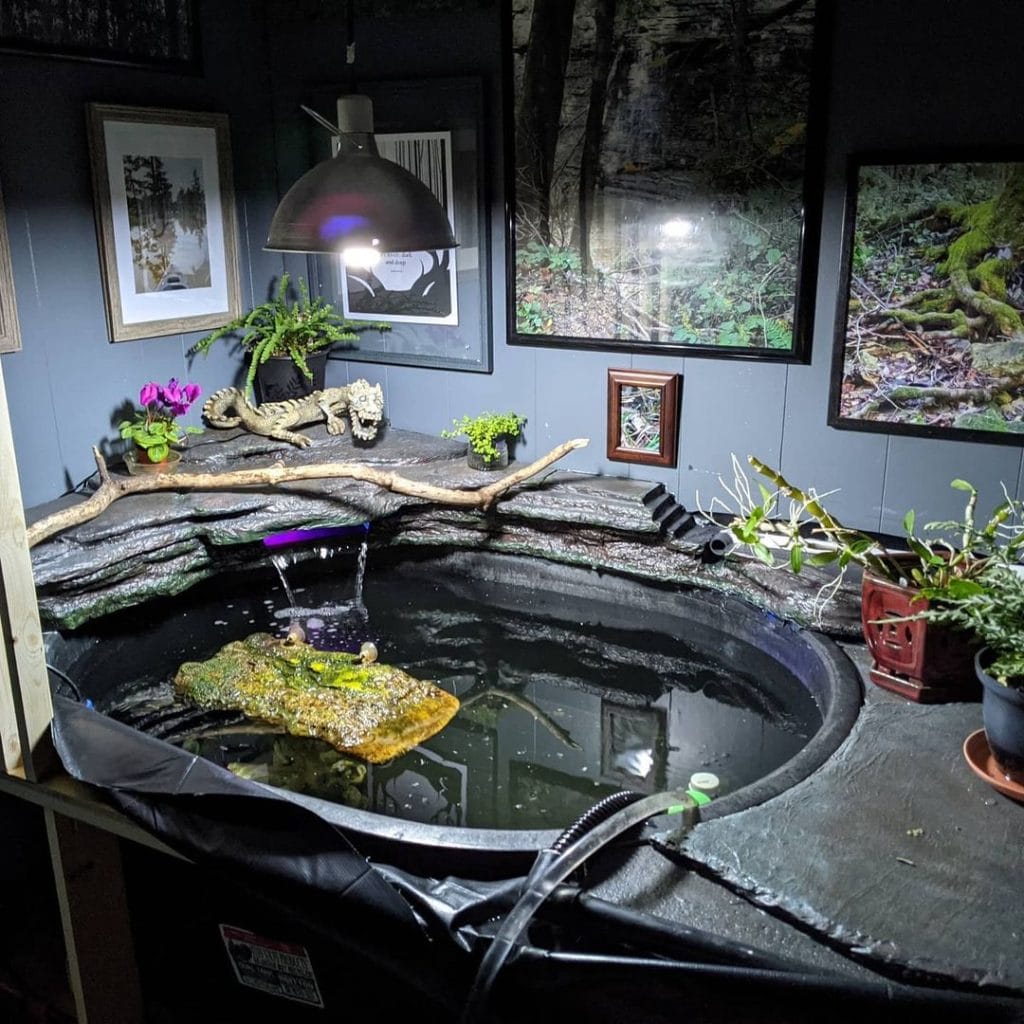
7. Tranquil Paradise For Turtles
| Materials | Plastic tub, floating platform, plants, hiding spot, etc. |
| Difficulty level | Moderate |
Create a roomy home for your turtles out of a black plastic tub with a ramp and high platform. In the lower area, add a floating resting place and a long branch to create an aquatic paradise. Create a rich and appealing atmosphere on the dry platform by arranging soil, coconut fiber, and barks there. You may also include a big hiding place and money plants.
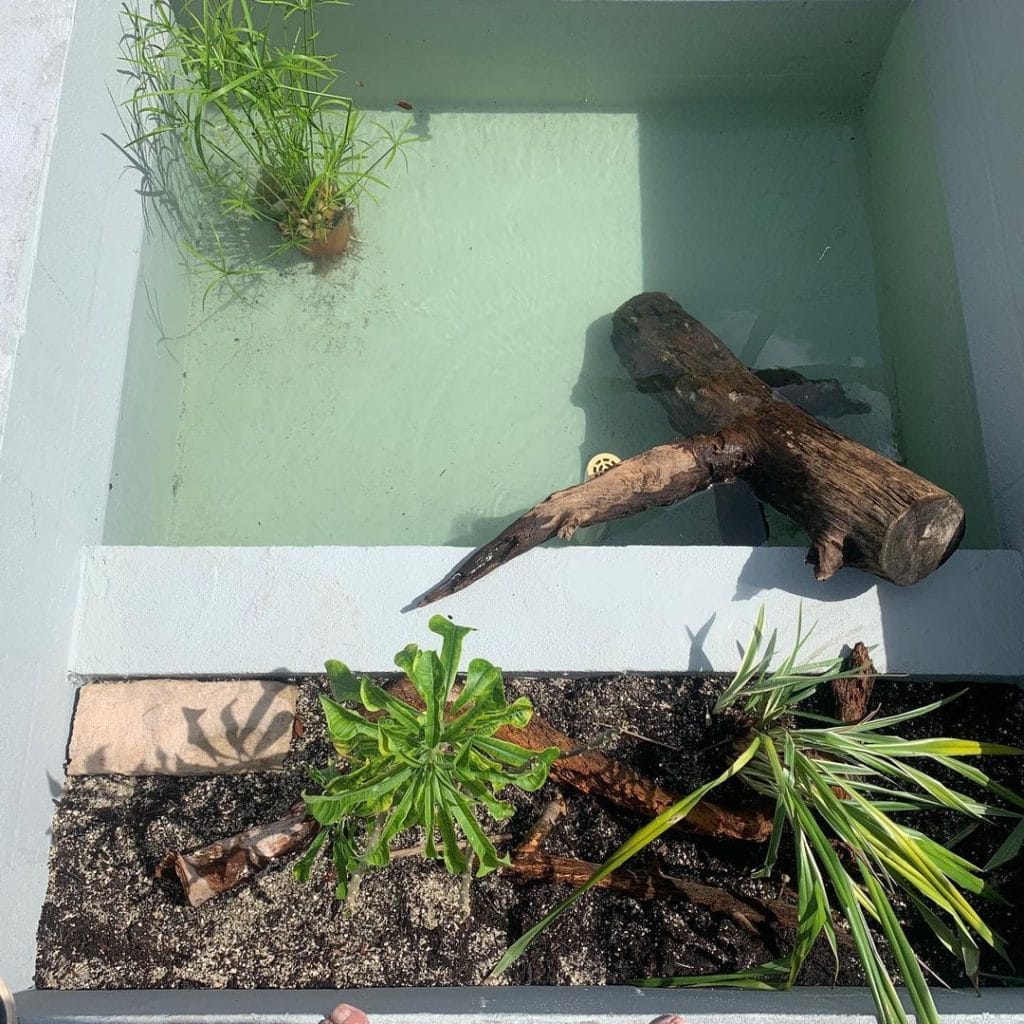
8. Serene Splash Turtle Habitat
| Materials | White blocks, organic soil, branches, stone, plants, etc. |
| Difficulty level | Easy |
Build a white wall enclosure with a barrier separating the dry and swimming portions to provide a calm and immaculate turtle environment. For a serene atmosphere, use a white substrate for the bottom and a beautiful umbrella papyrus plant.
Add organic soil, little stones, and a big resting stone to the dry space. The greenery (lettuce and snake plants) and branches (for perching and climbing) are also welcome additions.
This Hilarious Turtle Book Might Know Your Pet Better Than You Do

Let’s be real—most turtle care guides feel like reading a textbook written by a sleep-deprived zookeeper.
This one’s not that.
Told from the snarky point of view of a grumpy, judgmental turtle, 21 Turtle Truths You’ll Never Read in a Care Guide is packed with sarcasm, sass, and surprisingly useful insights.
And hey—you don’t have to commit to the whole thing just yet.
Grab 2 free truths from the ebook and get a taste of what your turtle really thinks about your setup, your food choices, and that weird plastic palm tree.
It’s funny, it’s honest, and if you’ve ever owned a turtle who glares at you like you’re the problem—you’ll feel seen.
More DIY Outdoor Turtle Habitat Ideas
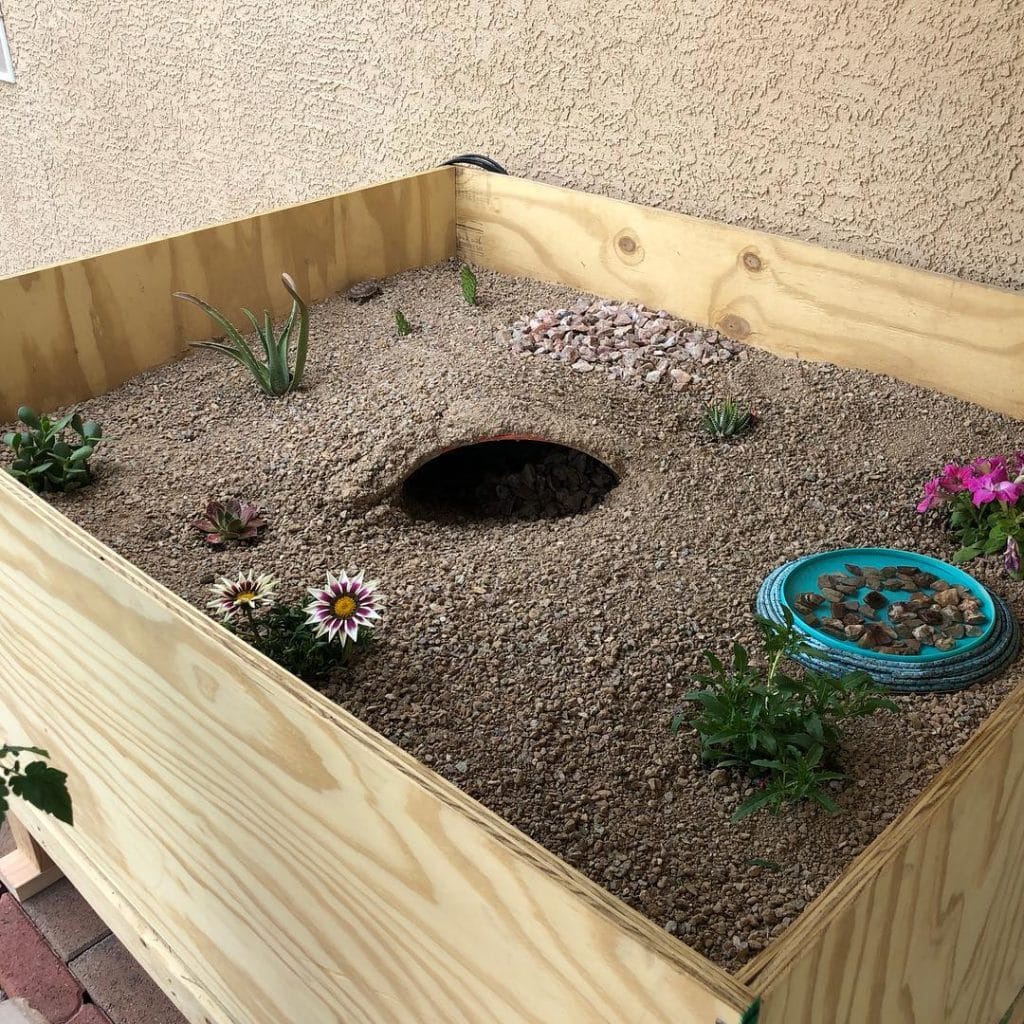
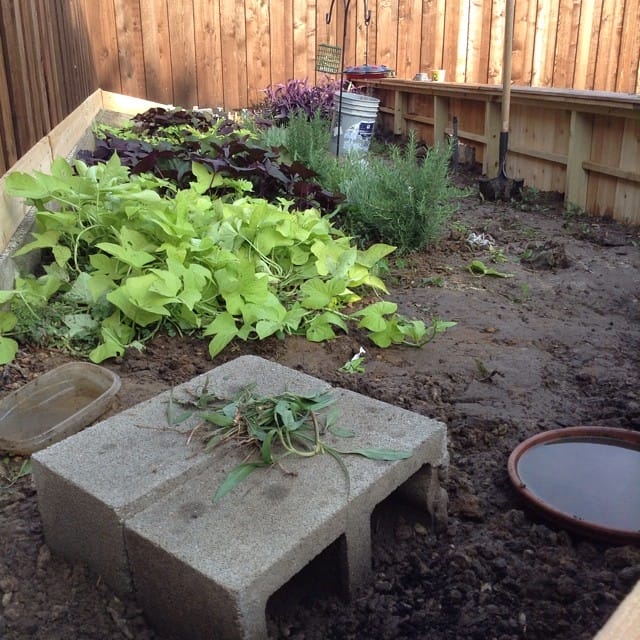
9. Lush Garden Turtle Enclosure
| Materials | Raised garden bed frame, pond liner, soil, plants, rocks, wire mesh |
| Difficulty level | Moderate |
Turn a raised garden bed into a turtle enclosure by adding a small pond section with a liner and surrounding it with real plants and soil. The contained space keeps your turtle safe while natural vegetation provides shade and enrichment. A wire mesh lid keeps predators out without blocking sunlight.
10. Compact Courtyard Turtle Setup
| Materials | Concrete blocks or pavers, pond liner, flat stones, substrate, plants |
| Difficulty level | Easy |
You don’t need a huge yard for this one. A small courtyard or patio corner works perfectly. Use concrete blocks or pavers to outline the enclosure, line one section with a pond liner for a shallow pool, and fill the rest with soil and flat basking stones. The small footprint makes daily monitoring and cleaning easy.
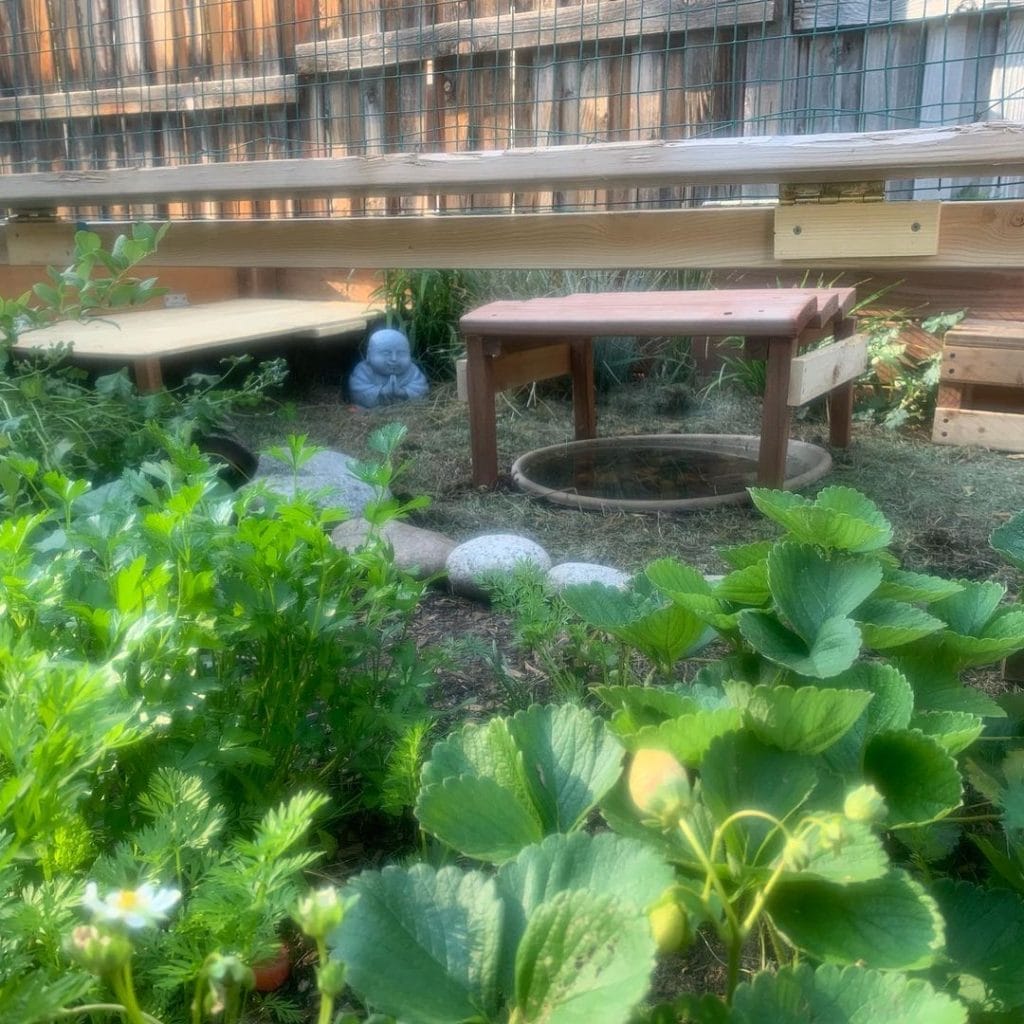
11. Box Turtle Woodland Enclosure
| Materials | Wooden frame, leaf litter, logs, shallow water dish, plants, hardware cloth |
| Difficulty level | Moderate |
Built specifically for box turtles, this setup recreates a forest floor with deep leaf litter, rotting logs for hiding, and a shallow water dish sunk into the ground. The wooden frame keeps everything contained, and hardware cloth buried along the perimeter prevents your turtle from digging out underneath.
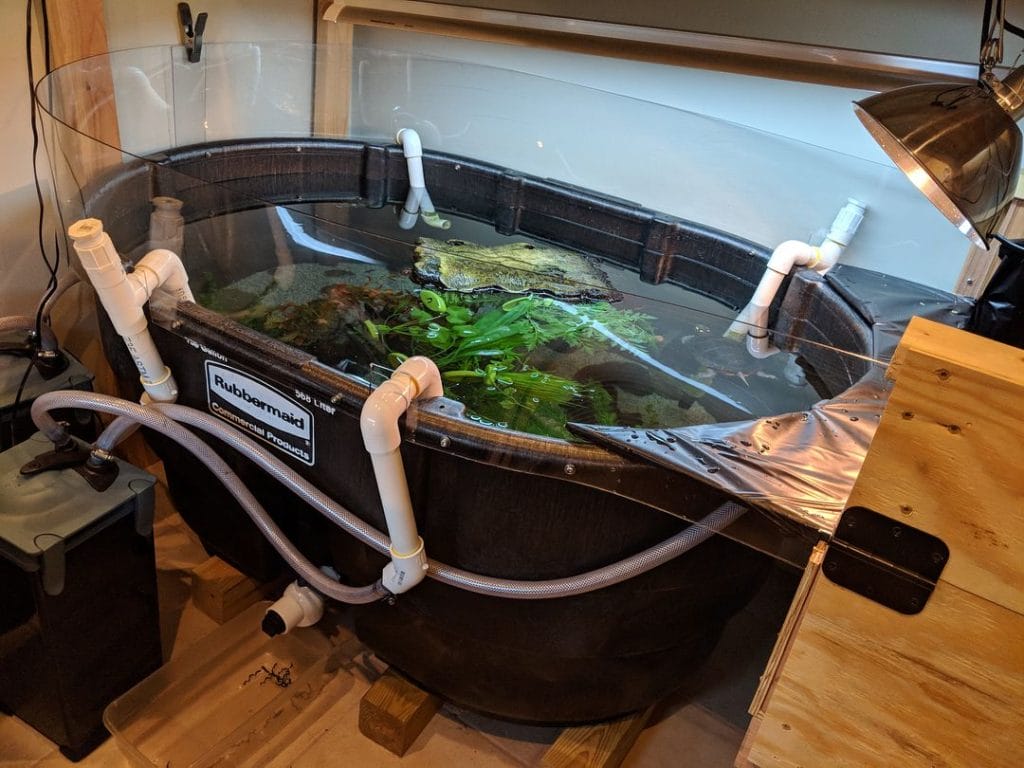
12. Professional Multi-Species Turtle Yard
| Materials | Landscape timbers, filtered pond, gravel pathways, plants, mesh fencing |
| Difficulty level | Challenging |
This setup looks like it belongs in a nature center. Landscape timbers define the borders, a proper filtered pond sits in the center, and gravel pathways connect different zones. Multiple hiding spots, basking areas, and plant clusters give turtles options throughout the day. It takes serious effort to build, but the result is a habitat you won’t want to change.
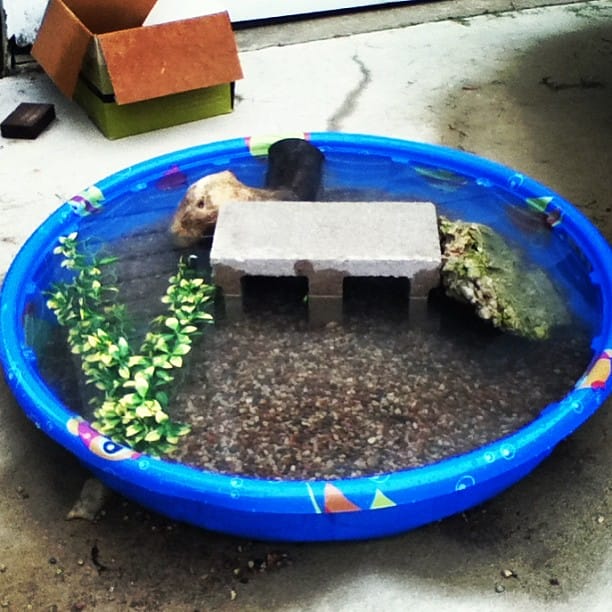
13. Mini Backyard Turtle Oasis
| Materials | Large storage bin, river rocks, small pump, plants, shade cloth |
| Difficulty level | Easy |
The ultimate starter outdoor habitat. Sink a large storage bin into the ground for the water area, surround it with river rocks for easy access, and add a small pump to keep water circulating. A shade cloth draped overhead protects against direct sun and aerial predators. Simple, cheap, and effective.
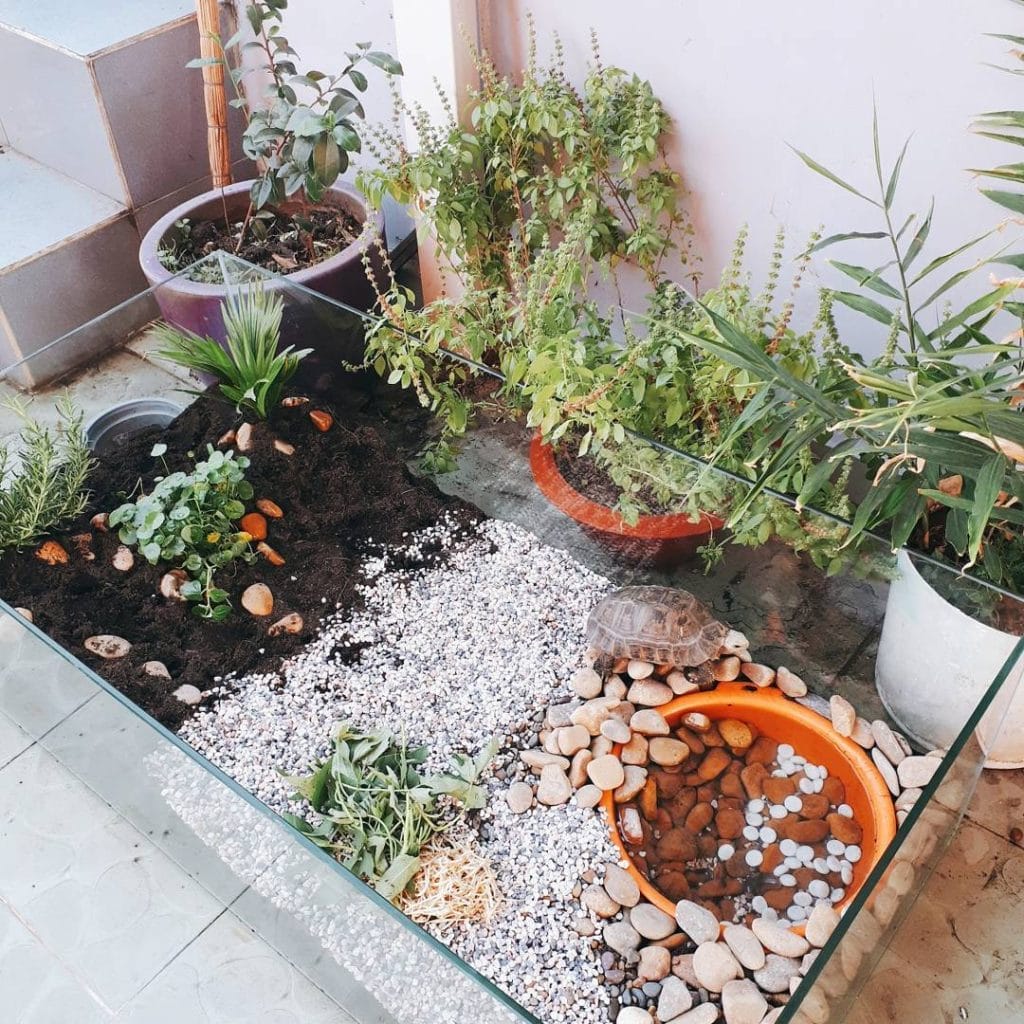
14. Planted Garden Turtle Enclosure
| Materials | Garden fencing, edible plants, shallow pond liner, soil, mulch |
| Difficulty level | Moderate |
Part garden, part turtle habitat. Plant turtle-safe edibles like dandelions, clover, and hibiscus throughout the enclosure so your turtle can graze naturally. A shallow pond on one end provides water access, and thick mulch substrate holds moisture and supports plant growth. Your turtle eats the landscaping — and that’s the point.
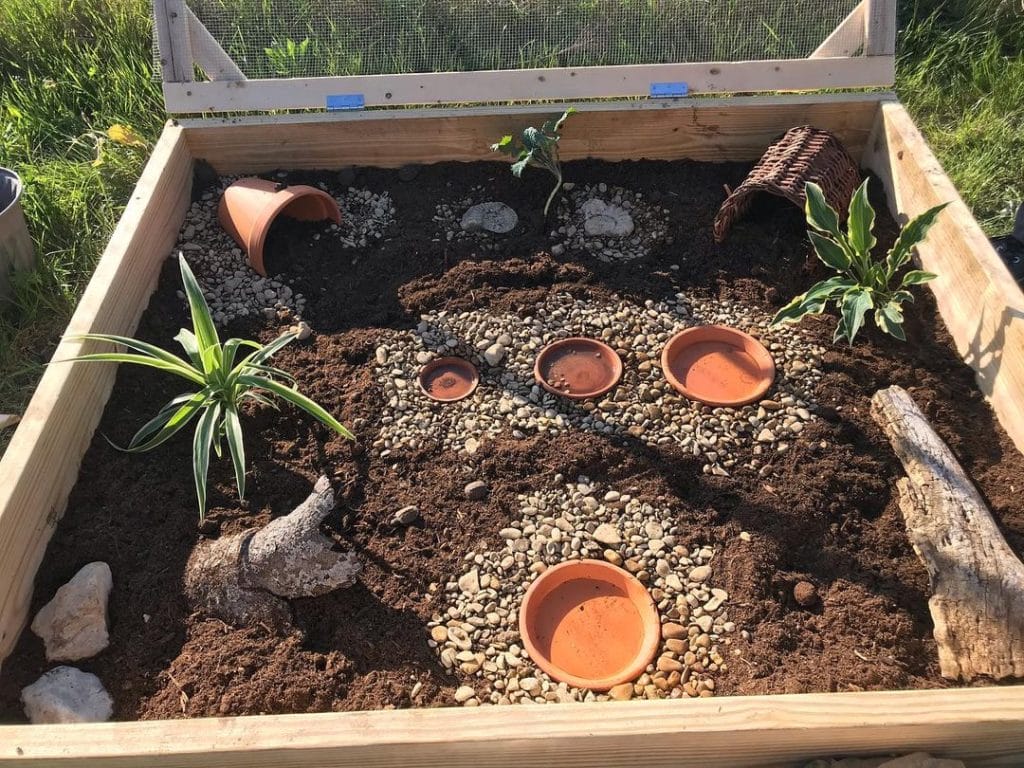
15. Sanctuary-Style Open Range Habitat
| Materials | Chain-link or welded wire fencing, stock tank or natural pond, shelters, shade structures |
| Difficulty level | Challenging |
When you’ve got the space and the commitment, this ranch-style layout gives turtles room to roam. A large fenced area with natural ground cover, a proper pond or buried stock tank, and scattered shelters made from overturned planters or stacked flagstone. This is as close to wild living as a pet turtle gets — just make sure the perimeter is escape-proof and predator-proof.
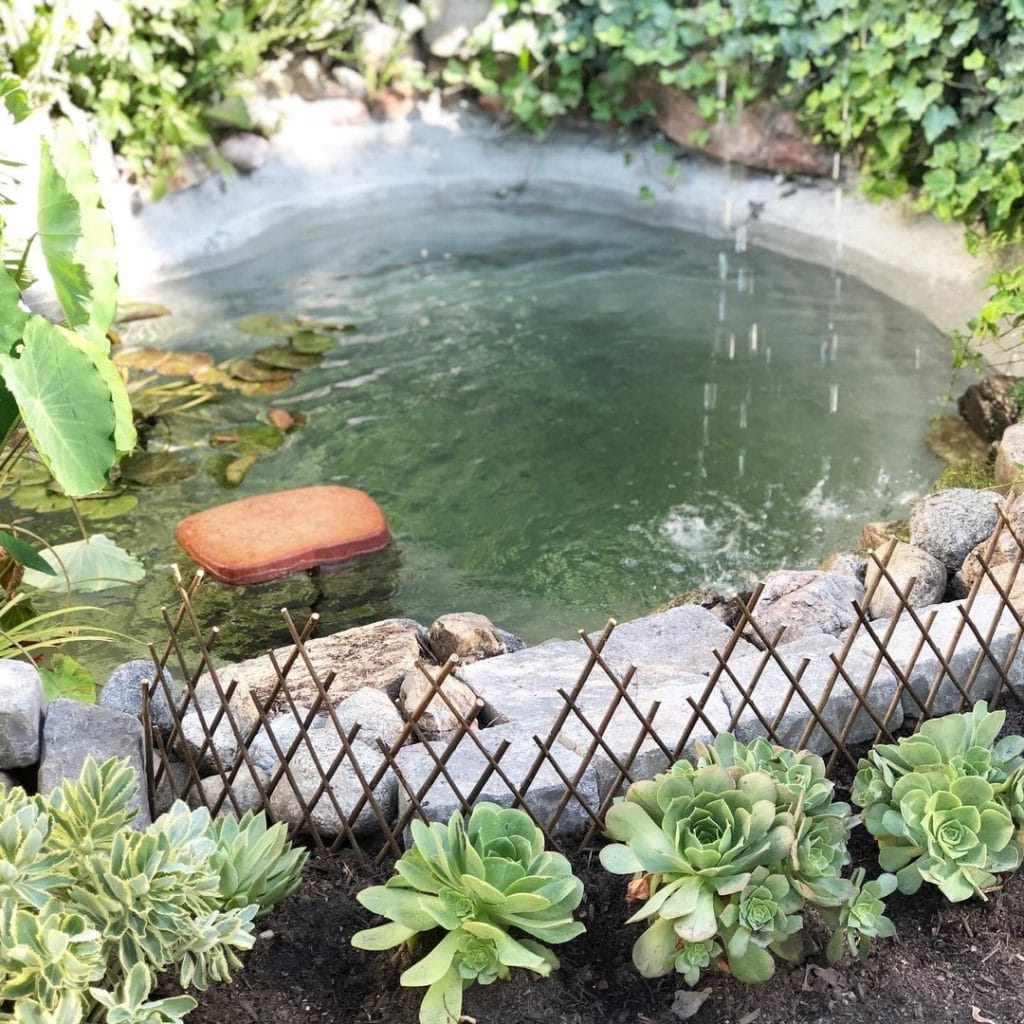
16. Raised Bed Turtle Habitat
| Materials | Cedar planks, pond liner, soil, plants, basking rocks, wire mesh |
| Difficulty level | Moderate |
A waist-height raised bed makes feeding, cleaning, and monitoring much easier on your back. Build the frame from cedar (naturally rot-resistant), line it with pond liner, and divide it into a wet zone and a dry zone with stacked rocks. The raised height also keeps out ground-level predators like rats and snakes.
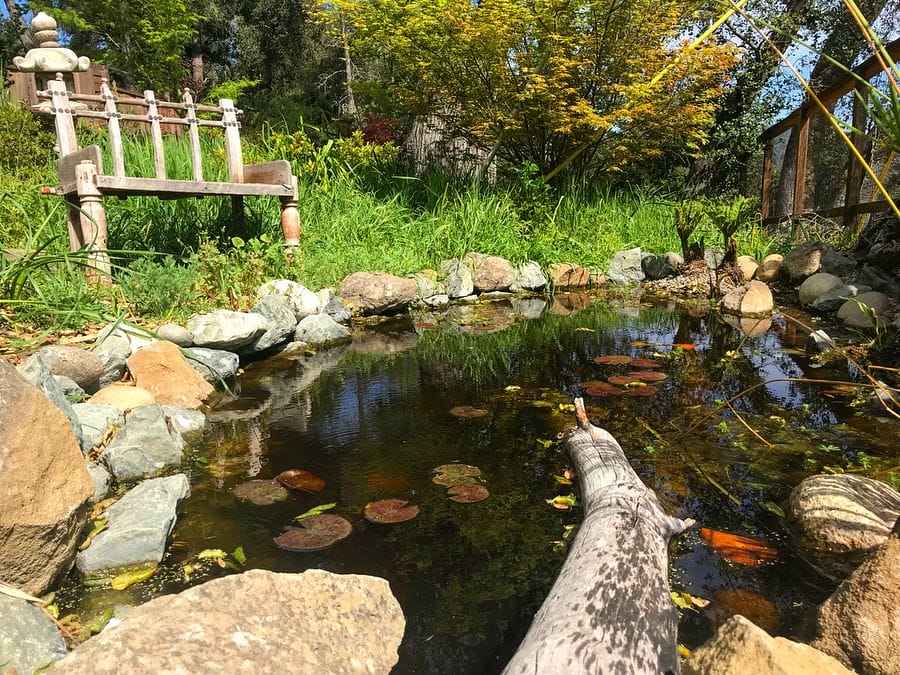
17. Ground-Level Turtle Pond Run
| Materials | Preformed pond, pavers, sod, fencing, flat stones |
| Difficulty level | Moderate |
A preformed pond dropped into the ground with a fenced run extending from one side. The run area is lined with sod and flat basking stones, giving your turtle space to walk, bask, and explore beyond just the water. Pavers around the pond edge prevent erosion and give you a clean surface for feeding.
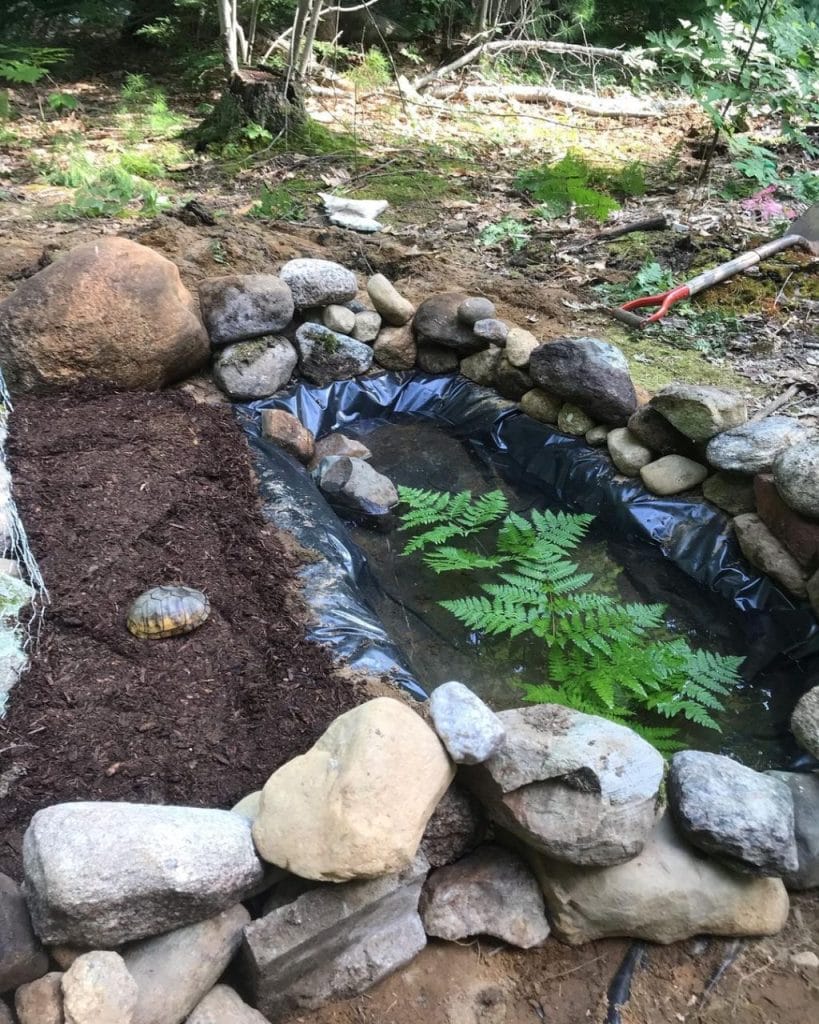
18. Turtle Conservation Enclosure
| Materials | Heavy-duty wire panels, shade cloth, natural substrate, water feature, native plants |
| Difficulty level | Challenging |
Modeled after setups used by turtle conservation programs, this enclosure prioritizes function over aesthetics. Heavy-duty wire panels form the walls, shade cloth covers the top, and the interior features natural substrate with native plants your turtle would encounter in the wild. It’s not the prettiest setup, but it’s built for the turtle’s health first.
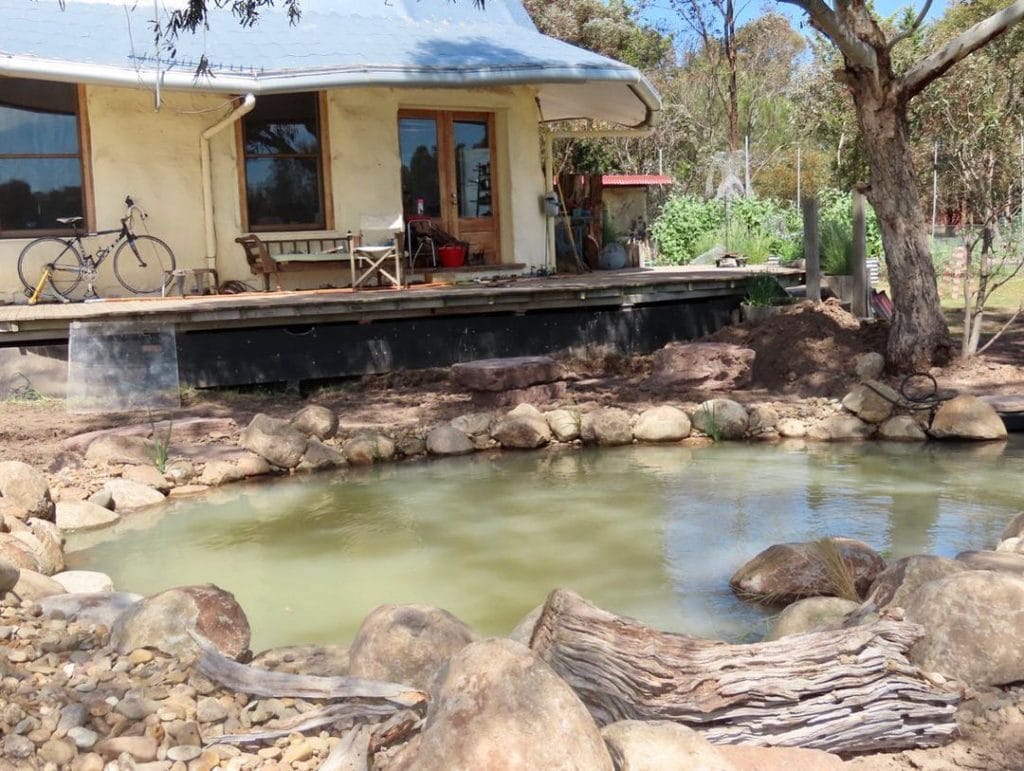
19. Water Garden Turtle Habitat
| Materials | Preformed pond or liner, aquatic plants, marginal plants, flat stones, pump, fencing |
| Difficulty level | Challenging |
A full water garden that doubles as a turtle habitat. Water lilies, cattails, and marginal plants ring the edges while a submersible pump keeps the water moving. Flat stacked stones on one end provide basking access. The dense planting naturally helps filter water and provides shade, but you still need mechanical filtration — plants alone can’t handle turtle waste.
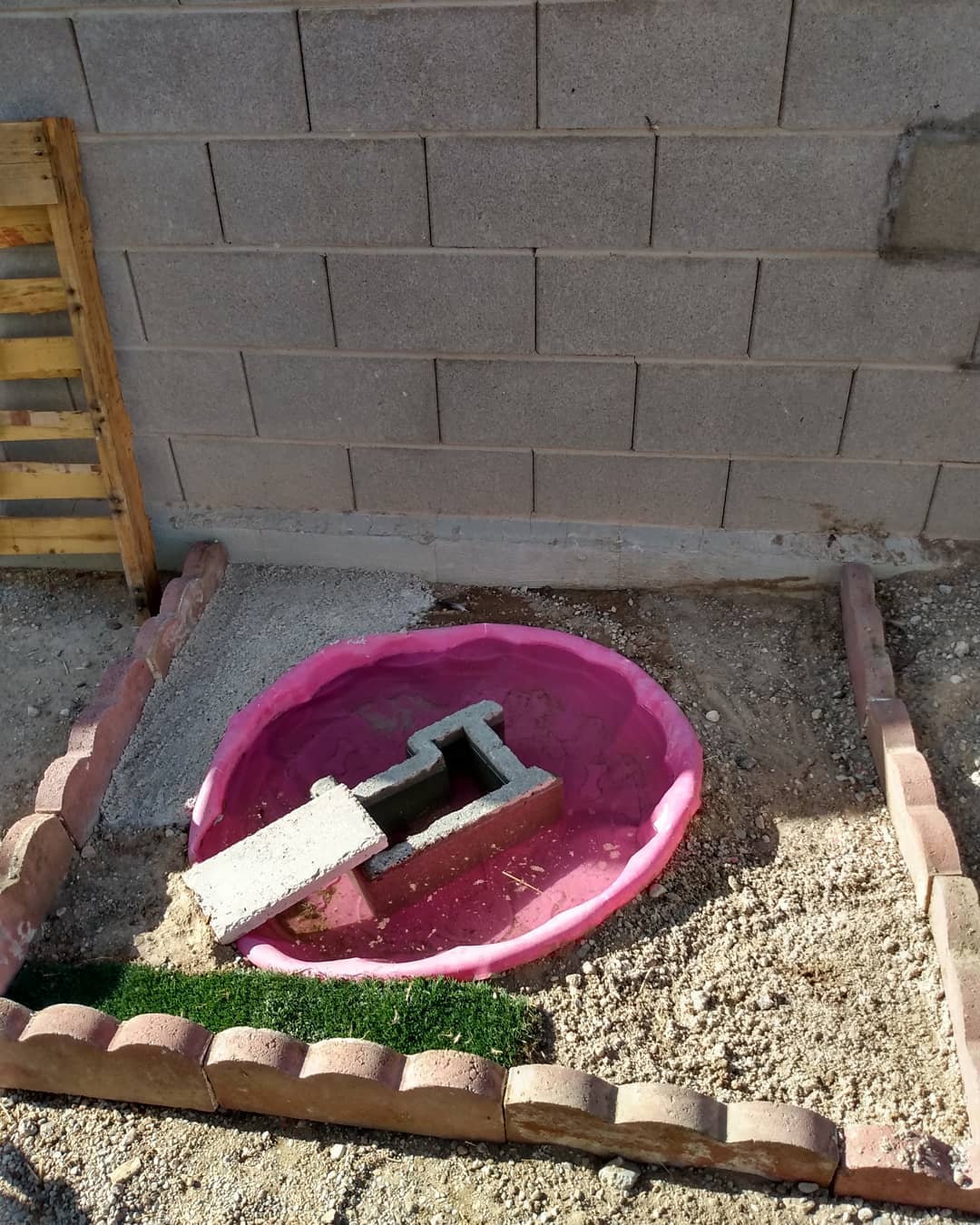
20. Multi-Zone Rescue Habitat
| Materials | Livestock panels, tarps, kiddie pools, soil substrate, hiding shelters, shade structures |
| Difficulty level | Moderate |
Inspired by rescue and rehabilitation setups, this practical design uses livestock panels for fencing, kiddie pools sunk into the ground for water areas, and overturned plastic tubs with cut entrances as hiding shelters. It’s not glamorous, but it’s expandable, easy to clean, and can house multiple turtles safely. Perfect for anyone who keeps ending up with “just one more” turtle.

About Author
Muntaseer Rahman started keeping pet turtles back in 2013. He also owns the largest Turtle & Tortoise Facebook community in Bangladesh. These days he is mostly active on Facebook.