Can Turtles Survive Winter Outside? Complete Brumation Guide
This post was created with help from AI tools and carefully reviewed by a human (Muntaseer Rahman). For more on how we use AI on this site, check out our Editorial Policy.
Yes, some turtles can survive winter outside, but only if they’re native temperate species like box turtles, painted turtles, and sliders in their natural range. They need to be healthy adults (over 4 years old) and your climate needs to match their natural habitat.
Tropical species like red-footed tortoises will die if left outside in cold weather. They’re built for year-round warmth and don’t have the biological tools to handle freezing temps.
In this guide, you’ll learn which turtles can safely winter outside, how to prepare them, the deadly mistakes beginners make, and when outdoor brumation is just too risky. Plus, I’ll show you safer indoor alternatives if you’re not ready to trust Mother Nature with your turtle’s life.
Quick Answer: Can Your Turtle Handle Winter Outside?
Safe for outdoor brumation:
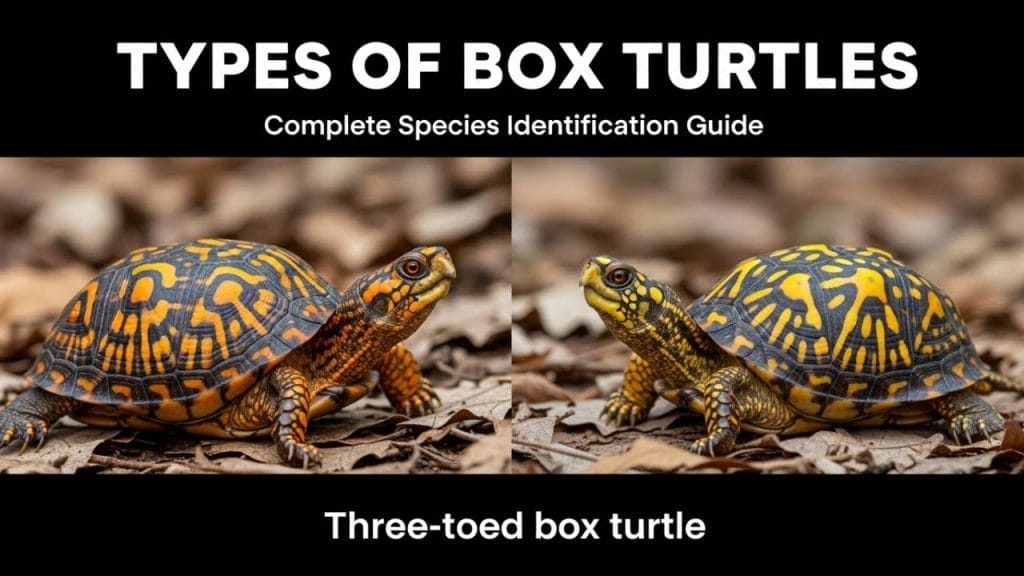
- Native box turtles (Eastern, Three-toed, Ornate) in their home range
- Native aquatic turtles (painted turtles, snapping turtles) with deep ponds
- Healthy adults over 4 years old
- Well-fed turtles with good weight
Never brumate outside:
- Tropical species (red-footed tortoises, sulcatas, leopard tortoises)
- Sick, injured, or underweight turtles
- Baby turtles under 4 years old
- Recently acquired turtles (wait one year minimum)
- Areas with temperature swings above 60°F or below 35°F
Critical temperature range: 35-50°F is safe. Below 35°F risks freezing. Above 60°F causes “false brumation” where they’re too cold to eat but not cold enough to actually slow their metabolism, leading to starvation.
Bottom line: When in doubt, keep them inside. Outdoor brumation kills more pet turtles every year than any other preventable cause.

What Is Brumation and Why Do Turtles Do It?
Brumation is the reptile version of hibernation.
When temps drop and daylight shrinks, temperate turtle species slow their metabolism to almost nothing. Their heart rate drops, breathing nearly stops, and they can survive months without food by living off stored fat.
It’s not optional for wild turtles. Preventing brumation in species that naturally undergo it leads to more illnesses and shortened lifespans because it messes with their hormone regulation and reproductive health.
But here’s the thing: just because wild turtles brumate doesn’t mean your pet should.
Wild turtles have evolved over millions of years to handle this. They know exactly where to dig, how deep to go, and they’ve got fat reserves from eating all summer.
Your pet? Maybe not so much.
This Hilarious Turtle Book Might Know Your Pet Better Than You Do

Let’s be real—most turtle care guides feel like reading a textbook written by a sleep-deprived zookeeper.
This one’s not that.
Told from the snarky point of view of a grumpy, judgmental turtle, 21 Turtle Truths You’ll Never Read in a Care Guide is packed with sarcasm, sass, and surprisingly useful insights.
And hey—you don’t have to commit to the whole thing just yet.
Grab 2 free truths from the ebook and get a taste of what your turtle really thinks about your setup, your food choices, and that weird plastic palm tree.
It’s funny, it’s honest, and if you’ve ever owned a turtle who glares at you like you’re the problem—you’ll feel seen.
Which Turtle Species Need to Brumate?
Temperate species (those from climates with cold winters) need brumation for long-term health.
These include most North American box turtles, painted turtles, snapping turtles, red-eared sliders in their native range, and Mediterranean species like Russian tortoises, Greek tortoises, and Hermann’s tortoises.
Tropical species never brumate.
Red-footed tortoises don’t brumate due to their equatorial home range where temps stay stable year-round.
The same goes for sulcata tortoises, leopard tortoises, yellow-footed tortoises, and Asian box turtles like Malayan box turtles.
If you stick a tropical tortoise outside in 40°F weather, you’re not helping them brumate. You’re killing them.
How to Know If Your Turtle Should Brumate
Ask yourself three questions:
- Is your turtle native to an area with cold winters?
- Is your turtle over 4 years old and in perfect health?
- Are you in their natural geographic range with similar winter conditions?
If you answered no to any of these, skip outdoor brumation entirely.
Your turtle will be fine spending winter active indoors with proper heat and lighting.
The Right Way to Prepare a Turtle for Outdoor Brumation
Most beginners screw this up because they think brumation just happens automatically.
It doesn’t. You need to prep your turtle starting in late summer.
Step 1: Vet Check (Do This in Late Summer)
About a month before brumation, take your turtle to the vet for a general examination and fecal check for parasites.
Sick turtles don’t survive brumation. Their immune system is basically shut off during brumation, so any existing illness will get worse unchecked.
Step 2: Feed High-Vitamin A Foods
Starting in late summer, load up on vitamin A-rich foods like sweet potatoes, carrots, pumpkin, and leafy greens.
Turtles may lose 6-7% of their body weight during brumation. They need the fat reserves.
Step 3: Stop Feeding When They Slow Down
Around October, your turtle will naturally eat less.
When you notice this, stop offering food entirely. Food should be withheld for 1-3 weeks depending on size to allow for clearance of the gastrointestinal tract.
Undigested food sitting in their gut during brumation will rot and kill them.
Step 4: Daily Soaking for 2-3 Weeks
Once you stop feeding, soak your turtle in shallow lukewarm water for 15-30 minutes every single day.
This helps them empty their bowels and bladder while building up water reserves. Keep offering water until they’re fully dormant.
Step 5: Prepare the Brumation Site
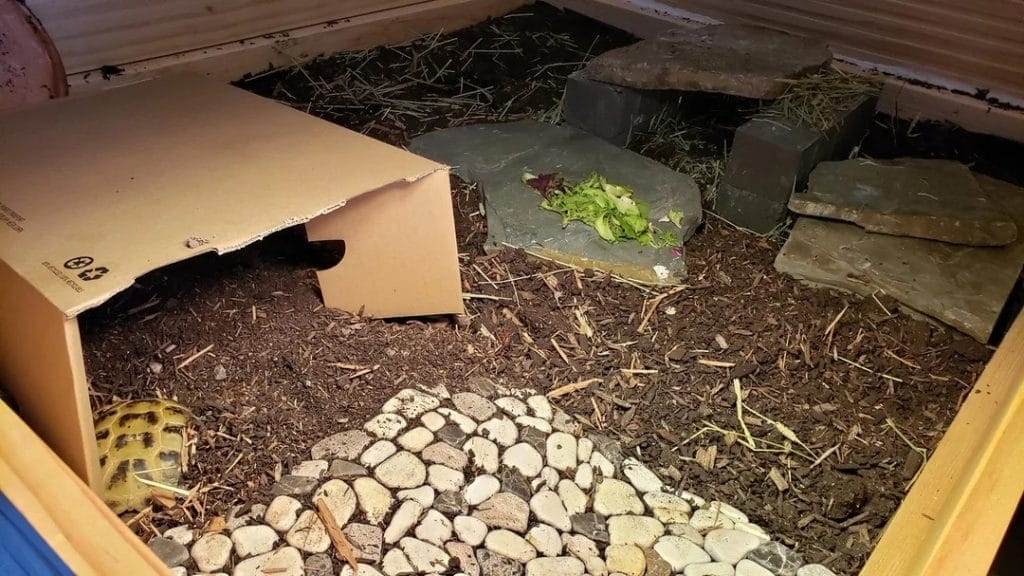
If brumating outside, you need a spot that won’t flood and has loose, well-draining soil.
Dig down 12 inches and loosen the soil in a 3×4 foot area. Mix in some sand or peat moss if your soil is heavy clay.
Add 6 inches of grass clippings on top, then pile on 2-3 feet of leaves. The deeper the insulation, the better.
Step 6: Let Them Dig In
Place your turtle in the prepared area when nighttime temps consistently stay in the 40s-50s.
They’ll burrow down on their own. Don’t force them deeper.
Step 7: Add More Insulation
Once they’re buried, add more leaves and mulch on top.
Some keepers add a piece of plywood raised on bricks over the site to keep rain out and predators away.

The Brutal Truth About Outdoor Brumation Risks
Let me be real with you: outdoor brumation leads to death for uncountable turtles every year.
Even experienced keepers lose turtles sometimes. Here’s what can go wrong:
Temperature Extremes Kill Turtles Fast
Below 35°F, turtles start to freeze. Temperatures below 35°F can result in detrimental effects such as freezing.
Above 60°F, their metabolism revs up but they can’t move to eat. Temperatures above 60°F can cause “false brumation” where they’re too cold to move and eat but too warm to adequately reduce their metabolism, which can cause a turtle to slowly starve to death.
If your area gets temperature swings, outdoor brumation is too risky.
Predators Are a Real Problem
Rats, raccoons, foxes, and dogs dig up brumating turtles. A sleeping turtle can’t defend itself.
Predators such as dogs, foxes, raccoons, and rodents attack turtles during outdoor brumation.
If you see any signs of disturbance, dig up your turtle immediately and bring them inside for the rest of winter.
Flooding Can Drown Them
Never brumate turtles in areas prone to flooding.
If heavy rain saturates the soil and fills their burrow, they can drown. Box turtles especially need well-drained spots.
You Can’t Monitor Their Health
Once they’re underground, you’re flying blind.
You can’t check their weight, watch for illness, or know if something’s wrong until spring. By then, it might be too late.
When to Bring Your Turtle Inside During Winter
Smart keepers have a backup plan.
During Extreme Cold Snaps
If temps are going to drop below 30°F for multiple days, bring your turtle into an unheated garage or shed where temps stay around 35-45°F.
During hard freezes, turtles should be brought into a garage and additionally insulated so the enclosure temperature stays around 30°F.
Insulate their container with extra newspaper or straw.
If Your Turtle Is Too Young
Turtles under 4 years old shouldn’t brumate outside. Sick or injured turtles, as well as any under the age of 4, should never undergo brumation.
Keep babies and juveniles active indoors all winter with 12+ hours of light and temps in the 70s-80s.
If They Lost Too Much Weight
Check your turtle’s weight every 2-4 weeks during brumation if possible.
Any body weight losses greater than 7% may be indicative of disease and you should wake them up immediately.
The Safer Indoor Brumation Alternative
Indoor brumation gives you control without gambling on weather and predators.
The Refrigerator Method
Place your turtle in a ventilated plastic container with slightly moist moss or leaf litter.
Put the container in a mini fridge set to 37-41°F. The ideal temperature for red-eared sliders to brumate is 38-41°F (this works for most aquatic species).
Check on them weekly by opening the door briefly. This doesn’t seem to disturb them and ensures they’re still alive.
The Cold Room Method
If you have a basement, garage, or spare room that naturally stays 40-50°F all winter, you can brumate there.
Put your turtle in a large box filled with moist substrate and leaf litter. Cover the top with mesh for ventilation.
Make sure temps stay stable. Use a thermometer to monitor.
For Box Turtles: The Indoor Pit
Some keepers create indoor brumation pits using large storage bins.
Fill a bin with 8-12 inches of slightly moist soil, moss, and leaves. Place it in your coolest room (40-50°F).
Let your turtle burrow in naturally.
How Aquatic Turtles Brumate (And Why Ponds Are Tricky)
Aquatic turtles like painted turtles and sliders brumate underwater.
They settle into the muddy bottom of ponds and stay there all winter. Some species can temporarily shift their metabolism to stop requiring oxygen, though this affects their overall wellbeing.
But here’s the catch: your backyard pond probably isn’t deep enough.
Pond Depth Requirements
The pond needs at least 18-24 inches of water that won’t freeze solid.
Aim for at least 6 inches of liquid water at the bottom even in the dead of winter.
If your pond is shallow or has a liner that prevents turtles from burrowing into mud, they can’t brumate safely.
Oxygen Is Critical
Even brumating aquatic turtles need some oxygen. Turtles cannot survive without oxygen, even during brumation.
If your pond freezes completely to the bottom, your turtle will die. Moving water has more oxygen, which is why wild turtles often pick rivers over still ponds.
Most Backyard Ponds Don’t Work
Unless you have a large, deep natural pond, bring your aquatic turtle inside for winter.
It’s not worth the risk. You can keep them active in a heated tank or brumate them in a fridge.
What NOT to Do (Common Deadly Mistakes)
These mistakes kill turtles every year:
Don’t let them brumate at room temperature.
It’s dangerous to let box turtles become dormant at room temperatures because they won’t eat but their metabolism won’t slow down enough, causing starvation.
Don’t brumate sick turtles.
Runny stools, swollen eyes, nasal discharge, or recent weight loss? Keep them active inside. Never hibernate sick or injured turtles because disease can develop unchecked during brumation.
Don’t forget about them.
Even brumating turtles need monitoring. Check on outdoor turtles after storms. Check indoor turtles every 2-4 weeks.
Don’t brumate newly acquired turtles.
Wait at least one full year so you know they’re healthy and properly acclimated.
Don’t rush waking them up.
When temps warm in March-April, let them emerge naturally. Warm them slowly over several days, not all at once.
When Do Turtles Wake Up From Brumation?
Brumation typically ends in March or April when temps consistently stay above 50°F at night.
Your turtle might wake up briefly during warm spells in January or February, then go back to sleep when it gets cold again. This is normal.
Once they’re fully awake, give them a long warm soak (20-30 minutes). They’ll usually drink heavily.
Don’t panic if they don’t eat right away. It can take 1-2 weeks for their appetite to return fully.
Is Brumation Actually Necessary for Pet Turtles?
Here’s the controversial truth: it’s not required for survival, but it helps long-term health.
Brumation plays a huge role in regulating hormones and preventing illnesses in species that naturally undergo it.
If you keep your turtle indoors at stable temps with 12-14 hours of light daily, they’ll skip brumation and live just fine. Many pet turtles never brumate and live long, healthy lives.
But for breeding and optimal health, most experts recommend brumation for temperate species.
Indoor Turtles Can Skip It
If your turtle lives in a heated tank inside, they might not show any signs of slowing down.
That’s fine. Keep their light and heat consistent, and they’ll stay active all winter.
Don’t force brumation on a turtle that isn’t trying to brumate. It’s dangerous.
Signs Your Turtle Is Ready to Brumate
Around October, watch for these signals:
- Eating less or refusing food entirely
- Spending more time buried or hiding
- Less basking and activity
- Attempting to dig or burrow
These are natural cues that they’re preparing for brumation.
If you see these signs but want to keep them awake, increase light to 14 hours daily and keep temps above 75°F at night. This tricks them into thinking it’s still summer.
Bringing Your Turtle Out of Brumation Safely
When spring arrives, don’t just throw your turtle back into their regular setup.
Give them a warm (80-85°F) soak for 20-30 minutes daily for the first week. This jumpstarts their system.
Keep temps warm but don’t blast them with heat immediately. Gradually increase temps over 3-5 days.
Offer food but don’t worry if they’re not interested right away. Their appetite will return in 1-2 weeks.
Post-Brumation Vet Check
Schedule a checkup 2-3 weeks after they wake up.
Your vet should check their weight, look for parasites, and make sure they bounced back from brumation okay.
Frequently Asked Questions
Can red-eared sliders brumate outside?
Yes, but only if they’re in their native range (Southeastern and Midwest US) and you have a deep pond that won’t freeze solid. In most backyard ponds, it’s safer to bring them inside or brumate them in a fridge. A small backyard pond probably won’t provide safe conditions for winter brumation.
How long does turtle brumation last?
Brumation typically occurs between October and April, lasting 10-14 weeks depending on the turtle’s size. Smaller turtles shouldn’t brumate longer than 10 weeks, while larger adults can safely go 14 weeks.
Will my turtle die if I don’t let them brumate?
No, but their long-term health might suffer. You can keep temperate species active all winter with proper indoor heating and lighting. Many pet turtles never brumate and live long lives, though some studies suggest they may be more prone to health issues over time.
What temperature kills a brumating turtle?
Below 35°F risks freezing and tissue damage. Above 60°F causes false brumation where their metabolism is too high to survive without food but too low to actually function. The safe zone is 35-50°F, with 40-45°F being ideal.
Can I wake up my turtle to check on them during brumation?
Yes, you should check on indoor brumating turtles every 2-4 weeks. Gently touch their foot – they should show some response. Weigh them to make sure they haven’t lost more than 7% of their body weight. Outdoor turtles are harder to check without fully waking them, which is one reason indoor brumation is safer.
The Bottom Line on Winter Turtle Survival
Can turtles survive winter outside? Yes – if they’re the right species, in the right climate, and you do everything correctly.
But honestly? For most beginners, the risk isn’t worth it. Indoor brumation gives you control, safety, and peace of mind.
If you’re determined to try outdoor brumation, work with an exotic vet experienced in turtle care. Have a backup plan for extreme weather. Monitor your turtle’s weight before and after.
And remember: there’s zero shame in keeping your turtle warm and active all winter. A living turtle is always better than a “naturally brumated” turtle that didn’t make it.

About Author
Muntaseer Rahman started keeping pet turtles back in 2013. He also owns the largest Turtle & Tortoise Facebook community in Bangladesh. These days he is mostly active on Facebook.