How To Take Care Of Box Turtle Eggs? [Up To Hatchlings]
This post was created with help from AI tools and carefully reviewed by a human (Muntaseer Rahman). For more on how we use AI on this site, check out our Editorial Policy.
One morning your box turtle is doing her usual thing. The next, you spot a few little white eggs half-buried in the dirt.
Cue the mild panic.
Take a breath. You did not miss some secret window, and you did not do anything wrong.
Box turtles have been laying eggs and hatching babies for millions of years without any help. But if you want to give this clutch the best possible shot, a little hands-on care goes a long way.
This guide walks you through the whole thing, from the first signs that eggs are coming, all the way up to raising the hatchlings. Want a hatch date estimate? Try our turtle egg hatch calculator.
Not sure when your turtle eggs will hatch? Try our free Turtle Egg Hatch Calculator for instant predictions!
How To Know Your Box Turtle Is About To Lay Eggs
A female box turtle usually tells you days in advance, if you know what to watch for.
She gets restless and starts pacing around the enclosure like she lost her keys. She is not lost. She is scouting for the right spot to nest.
You will also notice these changes:
- She digs test holes in different spots before picking one
- Her walk looks stiff or waddly compared to normal
- She goes off her food and barely eats
- She spends way more time on land if she normally basks or swims
- The final nest hole is deep, roughly as deep as her body is long
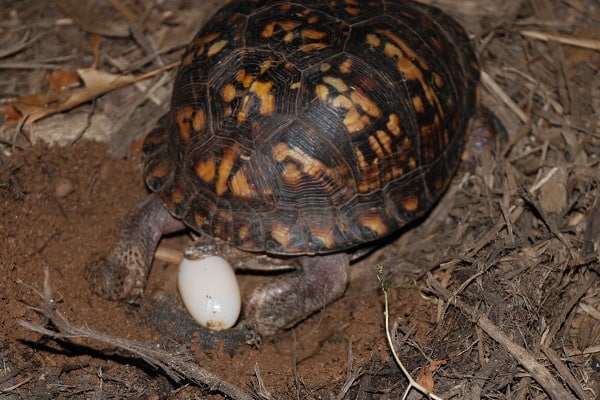
Once she commits to a spot, she digs in earnest with her back legs, drops her eggs, covers the hole, and walks away for good.
That last part throws a lot of first-time owners. A mother box turtle never comes back to check on her eggs. From the moment she covers that nest, the job is either nature’s or yours.
So if you want to move her to a safer nesting spot, do it the moment you spot the restless, digging behavior. Not after she has already laid.
Where Box Turtles Lay Their Eggs

Box turtles are land turtles, so forget everything you know about pond turtles dropping eggs near water.
A female box turtle wants soft, slightly moist soil she can dig into. She looks for a sunny, well-drained patch, often near a log, rock, or the edge of a bush.
In the wild, nesting usually happens from late May through July, a few weeks after mating in spring.
If your turtle lives outdoors, give her a quiet corner with loose soil at least 4 to 6 inches deep. Too hard or too shallow and she may hold the eggs in, which is dangerous for her.
If she is indoors, or the ground is packed solid, set up a simple nesting box. A large tub filled with 5 to 6 inches of damp topsoil does the trick. We break down the full build in our guide on how to make a nesting box for turtles.
This Hilarious Turtle Book Might Know Your Pet Better Than You Do

Let’s be real—most turtle care guides feel like reading a textbook written by a sleep-deprived zookeeper.
This one’s not that.
Told from the snarky point of view of a grumpy, judgmental turtle, 21 Turtle Truths You’ll Never Read in a Care Guide is packed with sarcasm, sass, and surprisingly useful insights.
And hey—you don’t have to commit to the whole thing just yet.
Grab 2 free truths from the ebook and get a taste of what your turtle really thinks about your setup, your food choices, and that weird plastic palm tree.
It’s funny, it’s honest, and if you’ve ever owned a turtle who glares at you like you’re the problem—you’ll feel seen.
What Box Turtle Eggs Look Like
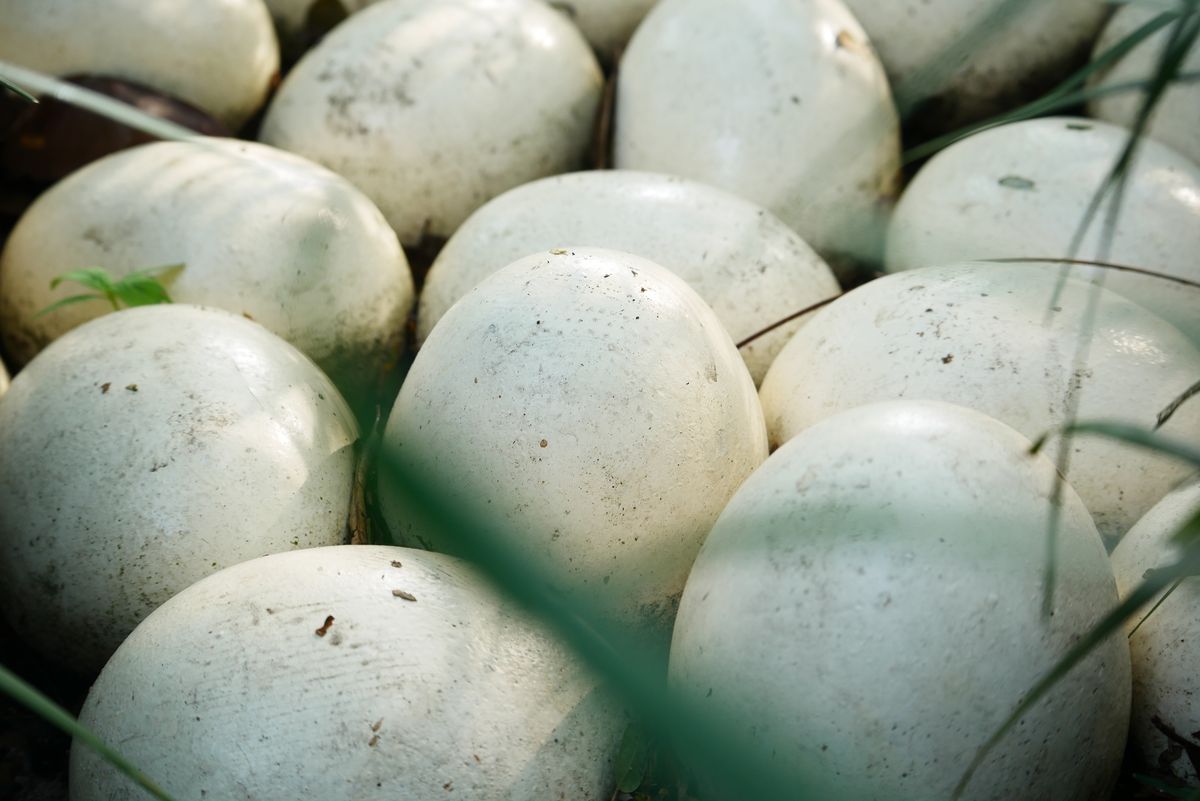
Box turtle eggs are small, white, and oval, a bit like an elongated ping pong ball.
The shells are soft, thin, and slightly leathery, not hard and brittle like a chicken egg. That flexible shell is normal, so do not panic if one gives a little when you nudge it.
A healthy female lays 3 to 8 eggs per clutch, with 4 to 6 being the sweet spot. Bigger, older, healthier females tend to lay on the higher end.
Some box turtles lay a second clutch later in the same season, so do not be shocked if round two shows up a few weeks later.
You Found Eggs: Your Two Real Choices
When a clutch shows up, you basically pick one of two paths.
Option one is to leave the eggs alone and let nature handle it. This works best for a healthy outdoor nest in good soil and a warm climate.
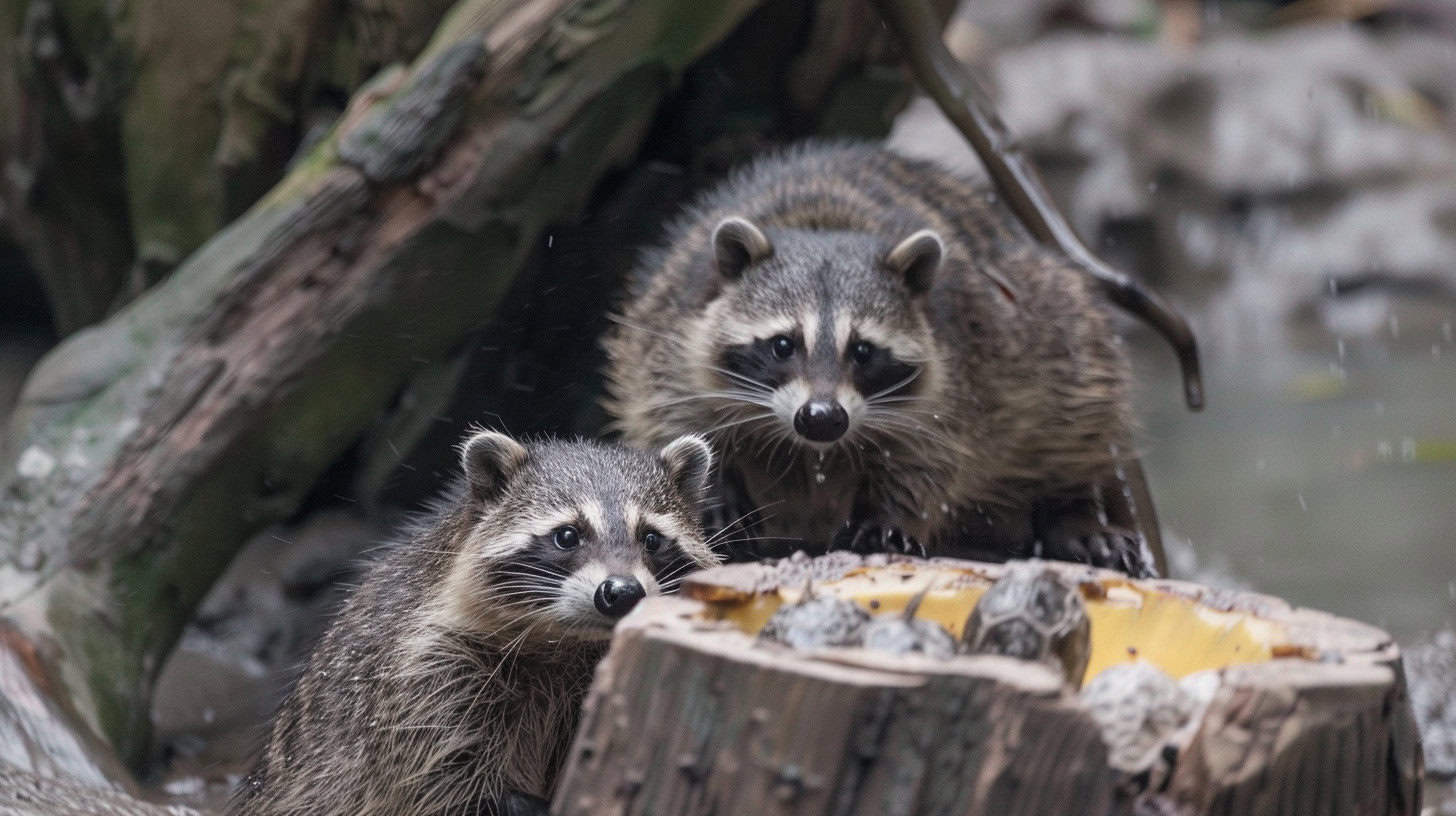
The downside is that nature is brutal. Raccoons, skunks, foxes, crows, and even fire ants love a turtle nest, and a bad cold snap or heavy rain can wipe out the whole clutch.
If you leave them in place, protect the nest with a wire mesh cage staked over the top. It keeps diggers out while letting rain and sun through.
Option two is to collect the eggs and incubate them yourself. This gives them a much better survival rate, but it is a real two to three month commitment.
Only take this on if you are ready to babysit a box of eggs for that whole stretch. If you are, the next few sections walk you through it.
First, Are The Eggs Even Fertile?
Before you commit months to a clutch, it helps to know whether anything is actually growing inside.
A fertile box turtle egg usually develops a chalky white band across the middle a few days after being laid. The shell starts clear or pinkish, then a bright white patch spreads around it. That banding means an embryo has latched on and is developing.
You can also candle the egg, which just means shining a small bright flashlight through it in a dark room. A fertile egg shows a network of pink or red blood vessels and a dark spot. An infertile egg looks evenly clear or yellow with no veins.

One warning. Once the egg chalks up, handle it as little as possible and never rotate it. We cover fertility testing in more depth in our full turtle egg care guide.
Do not toss an egg just because it looks off early on. Give the clutch the full incubation window before you write any egg off.
The Golden Rule: Never Rotate The Egg
This is the single most important rule in the entire process, so read it twice.
Within a day or two of being laid, the tiny embryo attaches to the top inside of the shell. After that, you must never flip or turn the egg.
Box turtle eggs are not like chicken eggs. Chicken eggs get turned constantly. Turtle eggs must stay in the exact position they were laid in.
Roll one upside down and you can tear the embryo loose from the shell, which kills it.
So before you move a single egg, grab a soft pencil and mark a small dot on the top of each one. That dot stays facing up the whole time, from the nest to the incubation box.
How To Incubate Box Turtle Eggs
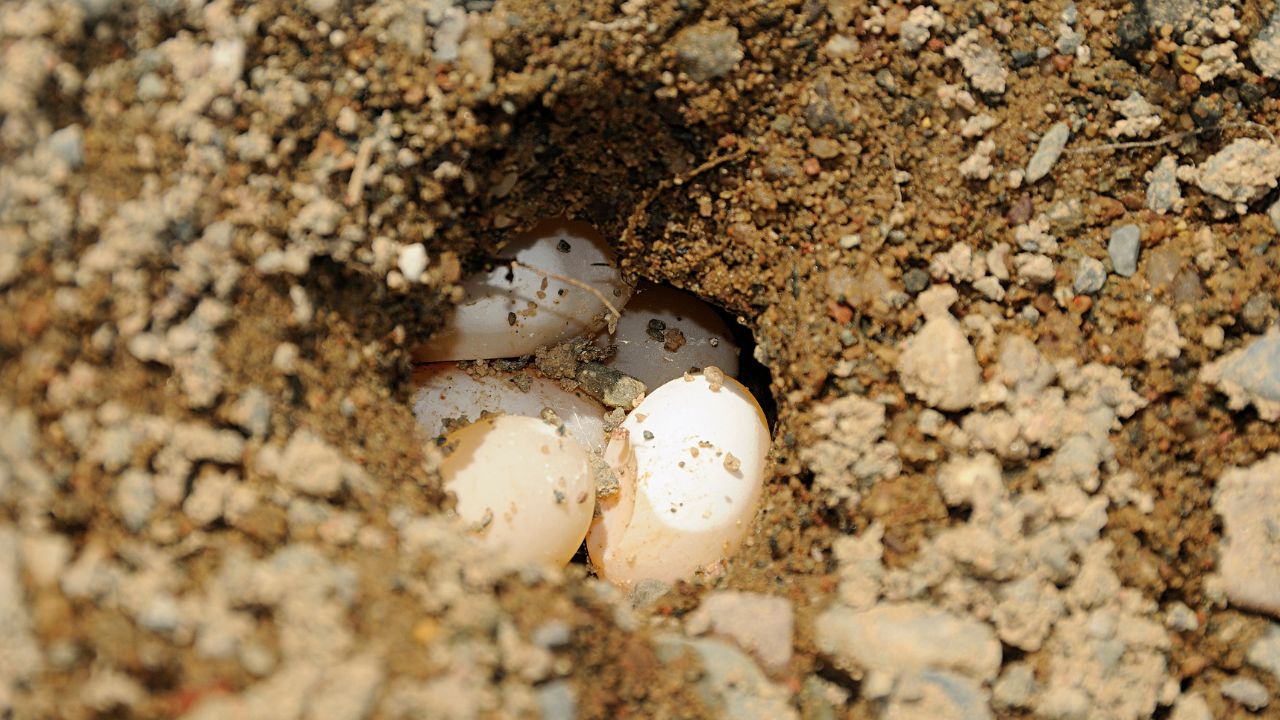
The good news is that a basic incubation setup is cheap and simple.
You need a plastic container with a lid, a bag of vermiculite (my pick: coarse horticultural vermiculite) (or perlite), and some patience. Skip sand, since it packs down and blocks the airflow the eggs need to breathe.
Here is the process.
First, poke a few small holes in the lid for ventilation.
Second, mix the vermiculite with water at a 1 to 1 ratio by weight, not by volume. Weigh equal amounts of dry vermiculite and water, then stir. Done right, a squeezed handful clumps together but does not drip.
Third, fill the box, press a shallow dimple for each egg, and nest each egg in with your pencil dot facing up. Leave the top third of the egg exposed and never bury them completely.
Then set the box somewhere warm and stable, or better yet, inside a proper reptile incubator (recommended: reptile egg incubator) so you can control the numbers.
Here are the targets for box turtle eggs:
| Setting | Target | Notes |
|---|---|---|
| Temperature | 82°F to 86°F (28°C to 30°C) | Steady beats precise |
| Humidity | Around 80% | Box turtles lay soft-shell eggs and need it damp |
| Substrate | Damp vermiculite or perlite | 1:1 water by weight |
| Airflow | A few lid holes | Eggs breathe through the shell |
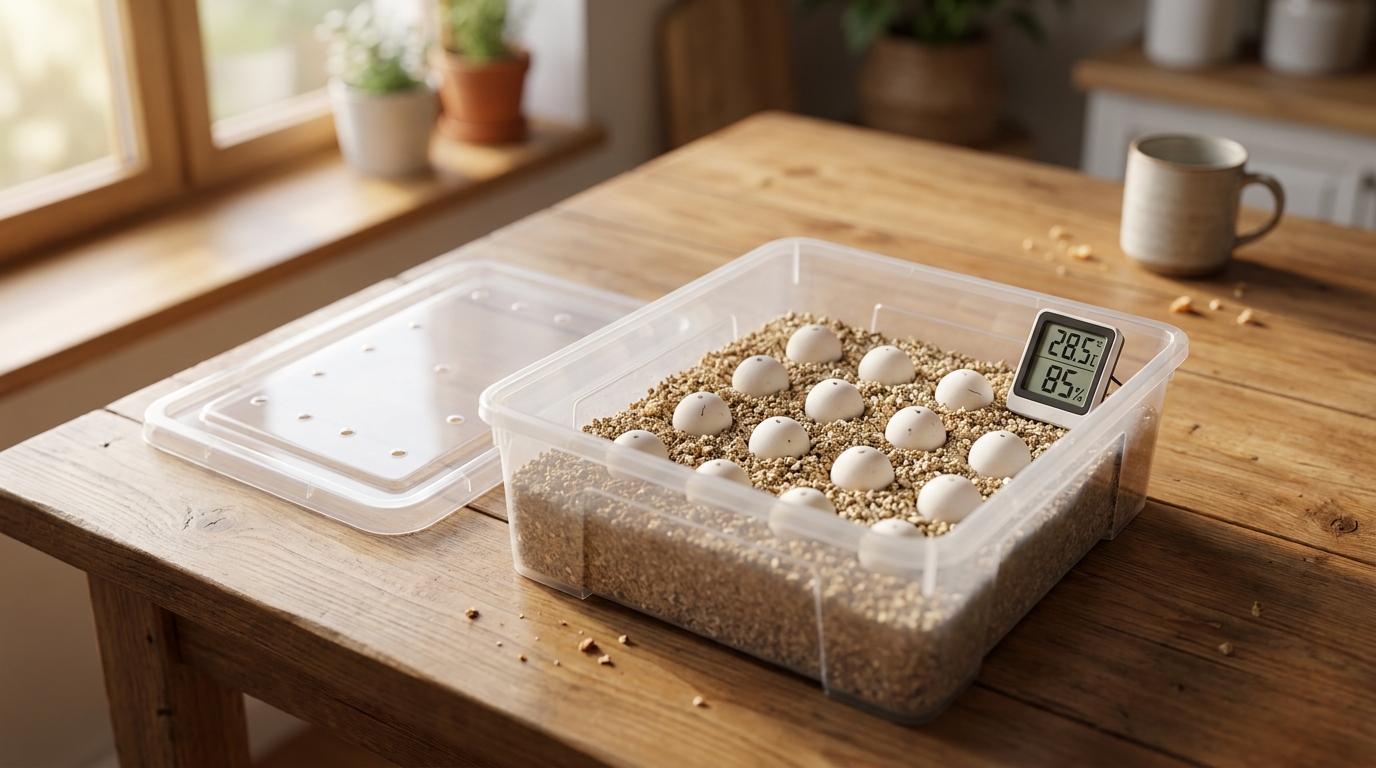
Mist the substrate lightly with distilled water every couple of days if it starts to dry out. A cheap thermometer and hygrometer inside the box let you actually see what is happening instead of guessing.
Surprise: Temperature Decides Boy Or Girl
Here is the part that catches almost everyone off guard.
Box turtles do not have sex chromosomes the way we do. The temperature inside the nest, not genetics, decides whether a hatchling becomes male or female. Biologists call it temperature-dependent sex determination.
The easy way to remember it is “hot chicks, cool dudes.”
For box turtles, eggs held at the cooler end, around 72°F to 81°F, tend to hatch male, while eggs above about 82°F tend to hatch female. The crossover sits right around 82 to 84°F.
So if you want a mix rather than an all-boy or all-girl batch, a slight temperature gradient across the box helps.
How Long Until Box Turtle Eggs Hatch?
This is where your patience really gets tested.
Most box turtle eggs hatch in about 70 to 90 days. Warmth speeds things up and cool slows them down, so the exact date moves around.
Here is a rough guide:
| Condition | Rough hatch time |
|---|---|
| Warm incubation (~84°F) | 65 to 70 days |
| Typical range | 70 to 90 days |
| Cooler northern outdoor nests | 90+ days, sometimes overwinter |
Northern box turtles in the wild sometimes lay so late that hatchlings stay in the nest through winter and dig out the following spring. In a controlled incubator, though, expect that 70 to 90 day window.
Around day 75, if you left a nest outdoors and the soil has gone hard, a light watering over the nest softens the ground so hatchlings can dig their way out.
When The Hatchlings Finally Arrive
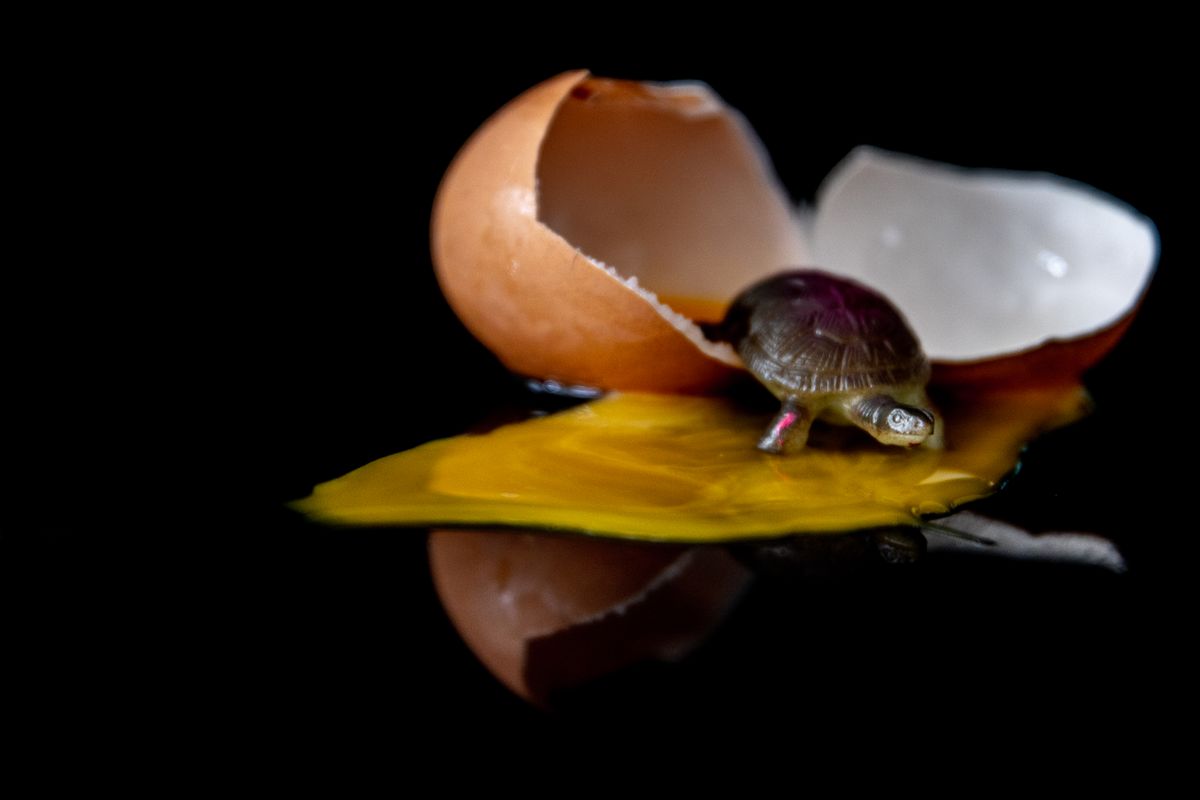
The moment a baby box turtle cracks its shell, your instinct will be to scoop it up. Fight that urge.
A newly hatched box turtle still has a yolk sac attached to its belly, and that sac is fragile. It looks like a small yellow or orange bubble hanging under the shell.
That sac is the baby’s built-in lunchbox. It feeds the hatchling for the first several days, which is exactly why you do not offer food right away.
If the sac tears on a sharp edge, the baby can get an infection and die. So leave each hatchling in the incubator until it fully climbs out and the sac is absorbed.
Once a baby is out and moving, move it to a clean container lined with a damp paper towel for the first week while the yolk sac finishes shrinking. Keep it humid and hold off on food until the sac is gone.
How To Care For Box Turtle Hatchlings

Once the yolk sac is absorbed, your baby box turtles need a proper setup. Unlike aquatic turtles, box turtle hatchlings live on land, so this is not a swimming tank. Our full guide on how to take care of box turtles covers the long game, but here are the hatchling basics.
Housing
Keep hatchlings indoors for their first 10 to 12 months where you can control everything.
Use a large tub or tank with a deep, moist substrate like coconut coir or terrarium moss. Babies dehydrate fast, so humidity is the number one priority.
Give them a shallow water dish they can climb in and out of easily, plus hiding spots so they feel safe.
Heat and Light
Run a heat lamp (my pick: heat lamp) on one side so they can pick warm or cool. Aim for around 80°F during the day and about 75°F at night.
Set up a UVB light (my pick: Zoo Med ReptiSun 10.0) over the enclosure for 12 hours a day. UVB is not optional. It drives the calcium and shell development that keeps a hatchling from growing up soft and deformed.
Cleaning
Spot clean daily and change the water dish every day, since babies often soak and poop in it. Do a full substrate change and tank clean at least once a month.
Feeding Box Turtle Hatchlings
Here is a fact that surprises new keepers. Adult box turtles are omnivores, but baby box turtles are mostly carnivores. They want protein to fuel that fast early growth.
Good hatchling foods include:
- Chopped earthworms and red wigglers
- Small crickets and mealworms (gut-loaded)
- Soaked, softened dog kibble in small amounts
- A calcium and vitamin D3 supplement dusted on food
You do not need to feed them every single day, but they do need fresh water daily. As they grow, slowly add leafy greens, berries, and veggies to shift them toward the adult omnivore diet described in our box turtle diet and feeding guide.
Can You Raise Box Turtle Hatchlings Outside?
You can move hatchlings to an outdoor pen once they are a bit bigger and stronger, but it comes with real risks.
Baby box turtles are bite-sized snacks for birds, raccoons, cats, and rats. Fire ants are an especially deadly threat and can kill hatchlings fast.
If you go outdoors, cover the pen with secure mesh, provide plenty of shade and hiding spots, and keep ant bait around the perimeter. For most keepers, an indoor setup for that first year is simply safer.
Frequently Asked Questions
When do box turtles lay eggs?
Most box turtles lay in late spring through early summer, usually May to July, a few weeks after mating in spring. Some females lay a second clutch later in the season.
How many eggs do box turtles lay?
Box turtles lay 3 to 8 eggs per clutch, with 4 to 6 being most common. Larger, healthier females tend to lay more.
How long do box turtle eggs take to hatch?
Usually 70 to 90 days. Warm incubation around 84°F can bring it down to 65 to 70 days, while cool outdoor northern nests can run past 90 days or even overwinter.
Do I need to incubate box turtle eggs?
Not always. A healthy outdoor nest in warm climates can hatch on its own if you protect it from predators. Incubating gives eggs a much better survival rate but is a two to three month commitment.
How do I know if a box turtle egg is fertile?
Look for a chalky white band that spreads across the shell a few days after laying, or candle the egg with a flashlight in a dark room. Fertile eggs show pink or red blood vessels inside. Clear, veinless eggs are likely infertile.
Do box turtles bury their eggs?
Yes. The female digs a hole with her hind legs, lays her eggs inside, then covers it with soil, leaves, and debris so well that you would never know a nest was there.
What temperature do box turtle eggs need?
Aim for a steady 82°F to 86°F with humidity around 80%. Temperature also decides sex, with cooler eggs skewing male and warmer eggs skewing female.
The Bottom Line
Finding a clutch of box turtle eggs is not a crisis. It is an opportunity.
Decide early whether you are leaving the eggs to nature or taking them on yourself. If you incubate, the whole game comes down to three things: keep the orientation fixed, hold the temperature and humidity steady, and leave the hatchlings alone until they are ready.
Do that, and in a couple of months you could be watching a tray of tiny box turtles take their first wobbly steps.
Found a box turtle nest and not sure what to do next? Drop a comment with where you found it and how many eggs turned up, and we will help you figure out the next move.

About Author
Muntaseer Rahman started keeping pet turtles back in 2013. He also owns the largest Turtle & Tortoise Facebook community in Bangladesh. These days he is mostly active on Facebook.